Security Guard Equipment
Security personnel may use different clothing, footwear, weather protection, visibility gear, lighting, organizers, and employer-authorized duty equipment depending on their role and assignment. There is no universal security guard equipment list: employer or contract requirements, training, authorization, licensing, and state or local rules may all affect what is appropriate.
Security Guard Equipment Overview
Start with the uniform and equipment instructions provided for the post. Then compare practical details such as fit, materials, visibility, weather exposure, shift environment, attachment compatibility, and product specifications. Equipment used by an unarmed event guard can differ substantially from equipment used for mobile patrol, access control, or an armed assignment.
Duty Clothing
Security-branded shirts and polos can provide clear identification when they match an employer’s uniform policy. Duty pants can be compared by fit, mobility, fabric, pocket layout, and sizing. Colors, markings, and permitted garments vary by employer, client, assignment, and jurisdiction, so confirm the uniform requirement before ordering. Browse current security and duty polo options for focused shirt shopping.
Footwear
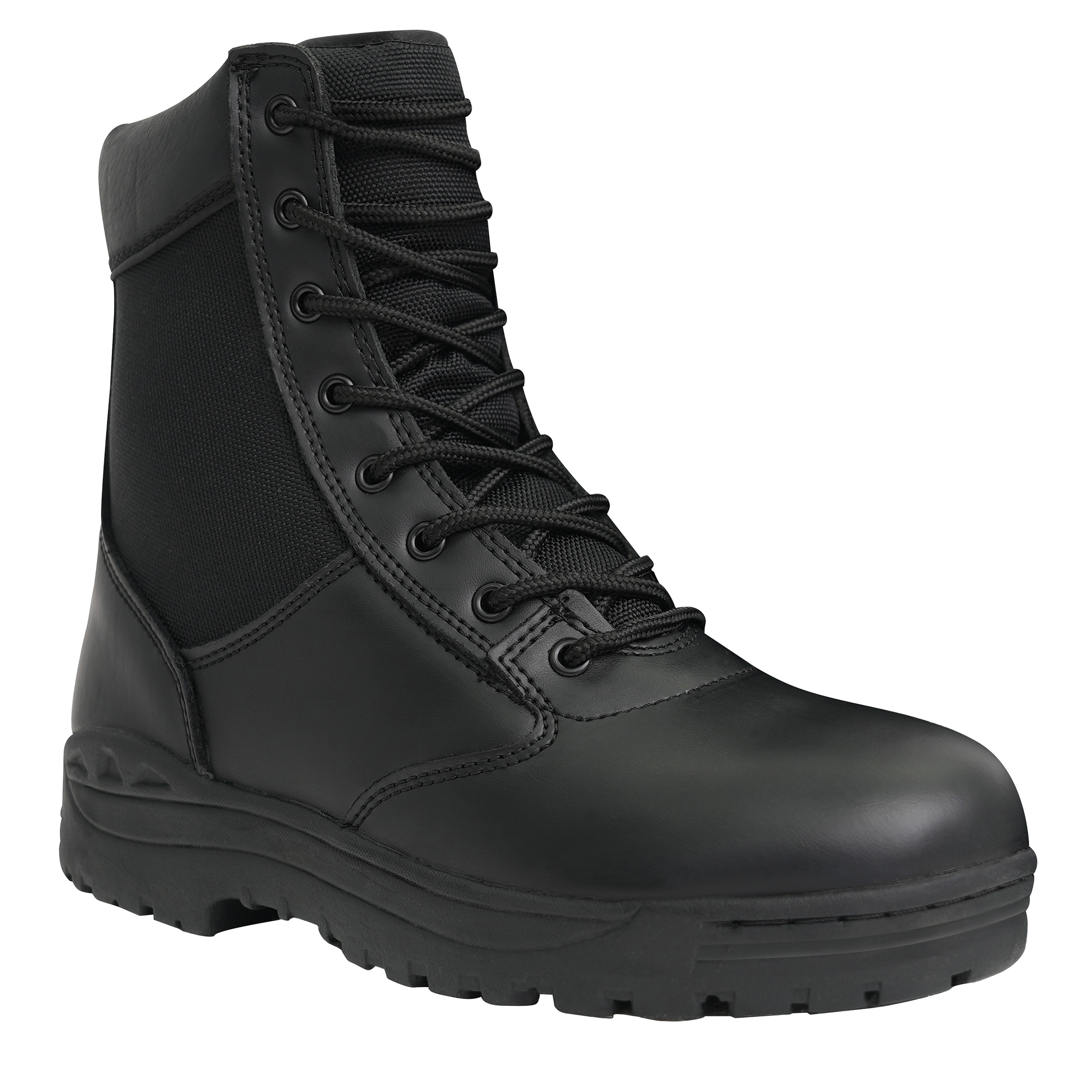
For footwear, compare fit, traction, support, materials, height, closure, and expected indoor or outdoor conditions. Some employers specify color, toe protection, polishability, or other features; tactical boots are not required for every security role. The duty and tactical boot collection is a shopping starting point rather than a statement that every model is approved for a particular post.
Outerwear & Rainwear
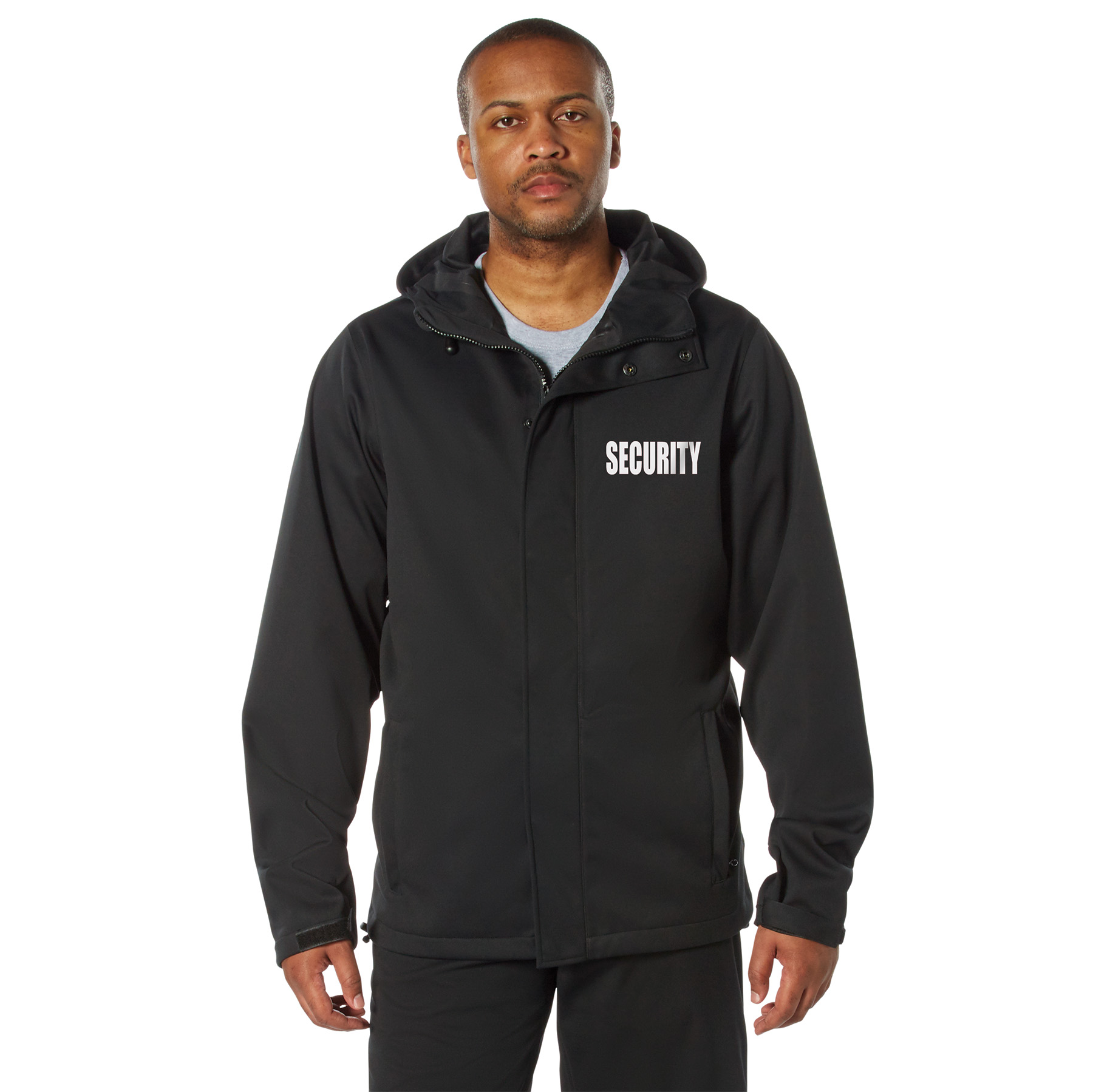
Outdoor and mobile assignments may call for weather protection that remains compatible with the approved uniform and required visibility. Compare coverage, materials, closures, hood design, reflective details, and security markings against the conditions and employer policy for the assignment. Shop the current rainwear collection, which includes security-marked jackets and ponchos as well as general rain gear.
Visibility & Identification
High-visibility garments and security-marked apparel can help identify a worker when the assignment calls for them. Patches, badges, reflective garments, and other identifiers should be used only when permitted by the employer and appropriate for the role and jurisdiction. A security marking does not imply law-enforcement authority. Compare current work and visibility vests by markings, visibility features, fit, and construction.
Belts, Pouches & Organization
Belts, keepers, pouches, and organizers can help position employer-authorized work items, but a duty belt is not universal security equipment. Compare width, closure, adjustment range, attachment compatibility, and retention against the clothing and equipment approved for the assignment. The duty belt collection contains several belt formats; inclusion in that category does not establish authorization for any particular carried item.
Lighting
A general-purpose flashlight may be useful for low-light property checks, vehicle work, or outdoor patrol when the assignment permits it. Compare size, power source, controls, stated output, and carry method rather than assuming one specification suits every post. Browse current flashlights and lighting for available formats.
Armed vs Unarmed Security Roles
Equipment can differ substantially between unarmed and armed assignments. Armed roles may be subject to separate employer authorization, training, licensing, and state or local requirements. This broad shopping guide does not recommend weapons, restraints, armor, concealed-carry strategies, or legal compliance steps. Follow the employer’s written rules and applicable authorities for role-specific equipment.
What Equipment Does a Security Guard Need?
Begin with the employer-issued or employer-required uniform and equipment rules for the assignment. Then consider role-appropriate clothing, footwear, weather gear, visibility, lighting, and organization based on the environment and approved duties. Product names and category placement do not make an item mandatory, authorized, or suitable for every guard.
Current Security Guard Gear
This reviewed selection balances current security-branded apparel, duty clothing, footwear, weather protection, visibility, lighting, and organization. Inclusion means the product is current and relevant to this broad shopping guide; it does not make the item employer-approved or required for a particular role.





Frequently Asked Questions
What equipment do security guards commonly use?
Depending on the assignment, common categories can include an approved uniform, suitable footwear, weather protection, visibility garments, lighting, and organizers for permitted work items. The employer and role determine what is issued, required, or authorized.
What should an unarmed security guard wear?
Follow the employer’s uniform policy for the specific post. Depending on the assignment, that may involve a security-marked shirt, approved pants, suitable footwear, weather gear, or visibility apparel. No single uniform applies to every unarmed role.
Do security guards need tactical boots?
Not universally. Footwear requirements depend on the employer, assignment, work surface, weather, and any applicable safety policy. Compare the required features with the specifications and sizing for the individual product.
What changes for armed security roles?
Armed assignments may involve additional employer authorization, training, licensing, and jurisdiction-specific requirements. Obtain those instructions from the employer and applicable authorities. This page does not provide weapons, restraint, concealed-carry, or legal advice.