
Vehicle Emergency Kit
Most people drive every day without thinking about what would happen if something went wrong on a rural road at night, in a storm, or far from cell service. A vehicle emergency kit doesn’t have to be elaborate, but it does have to actually be in the vehicle when you need it. This guide covers what belongs in a practical vehicle emergency kit built from Rothco gear, and how to put one together without overcomplicating it.
Be prepared on the road — compact survival gear, first aid supplies, lighting, and tools built for vehicle emergency kits.
The Core Vehicle Kit
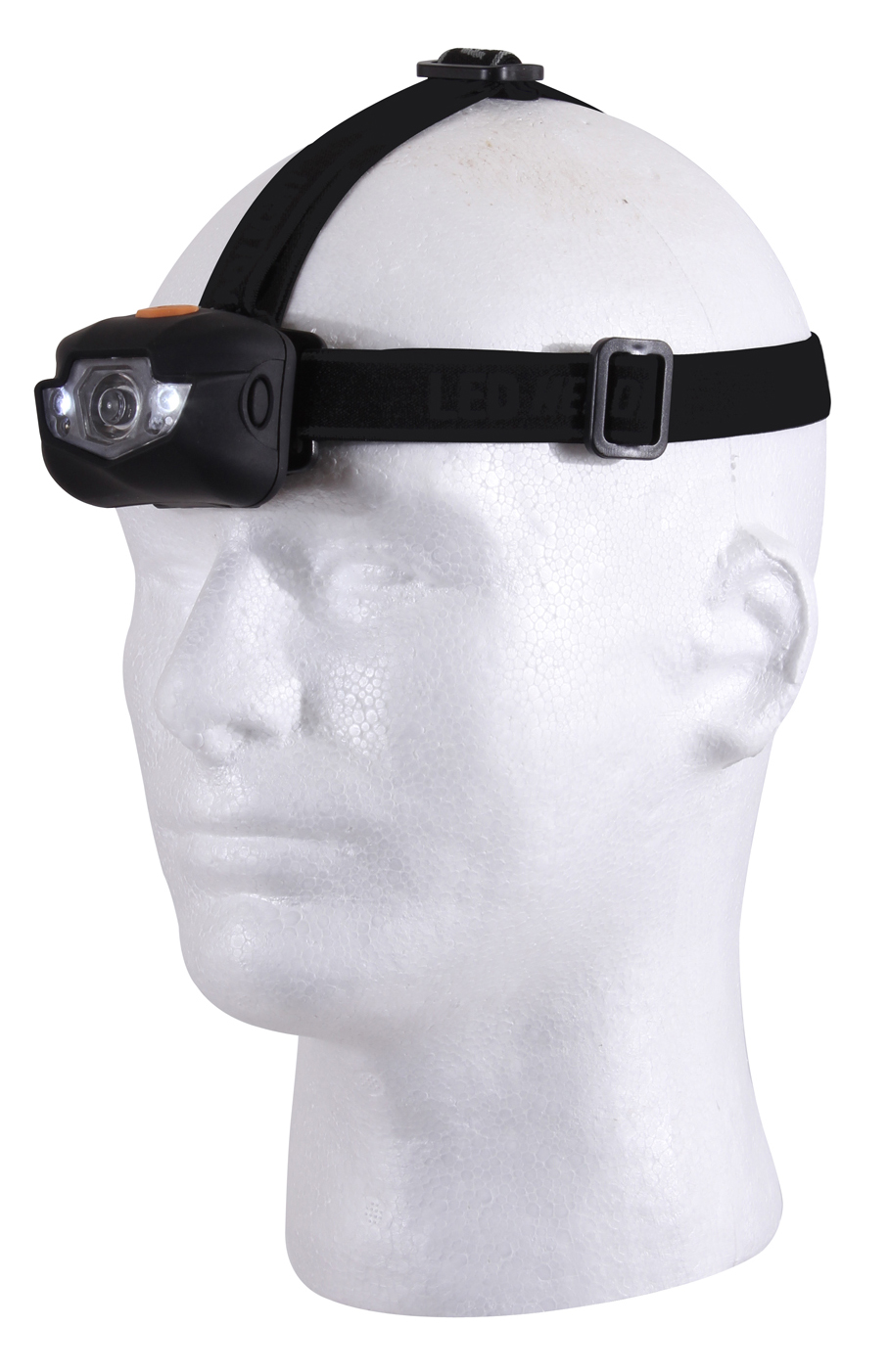
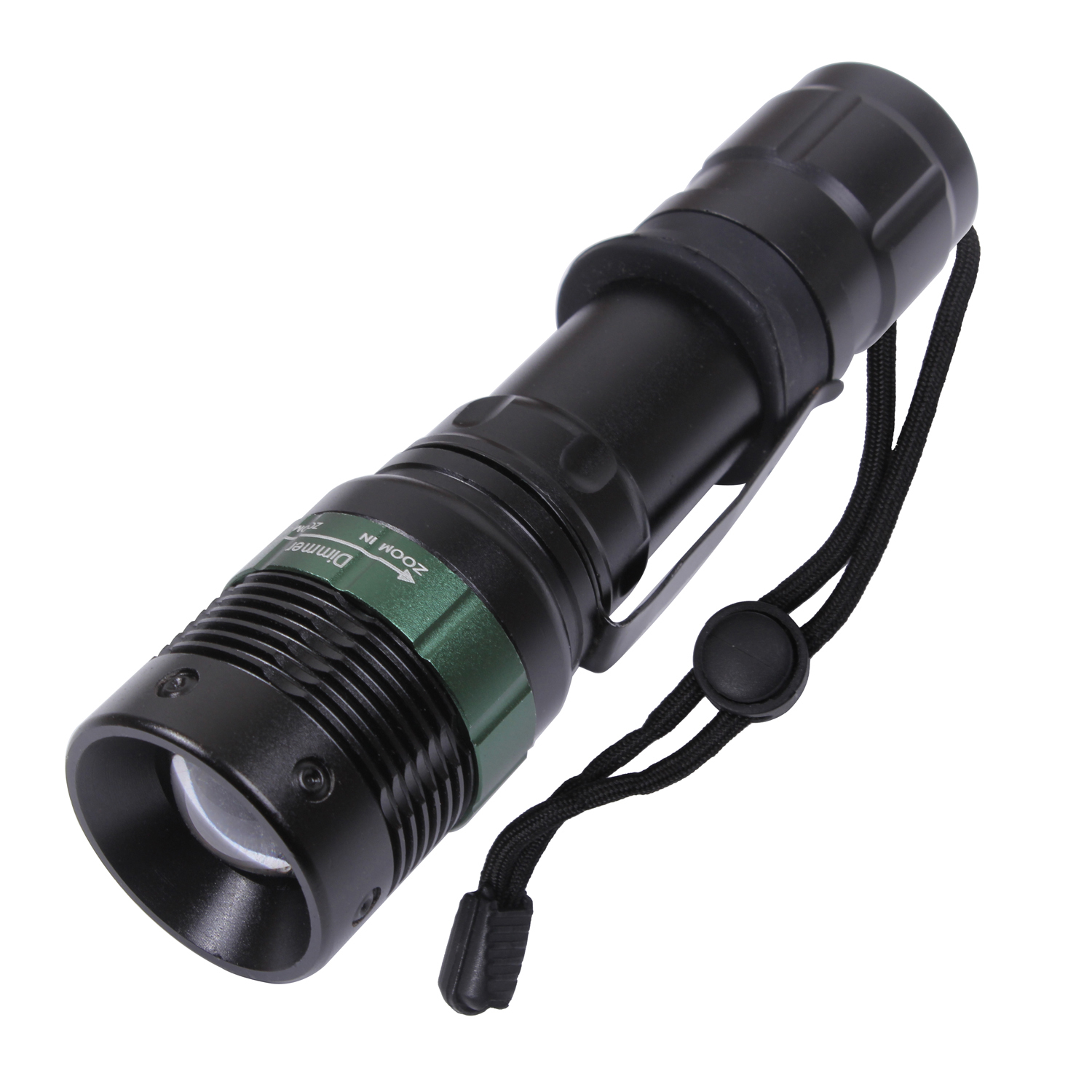
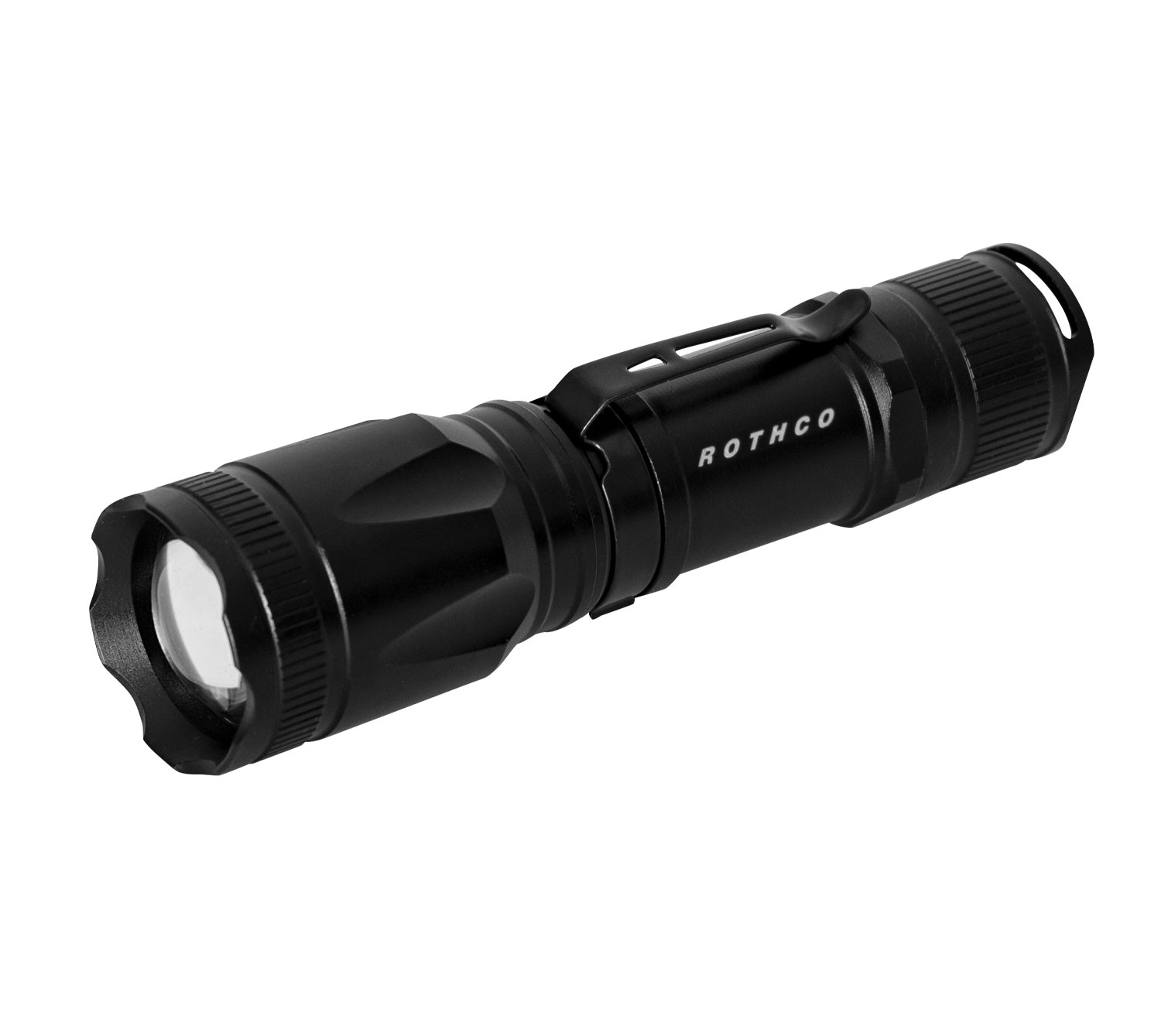
Light: A tactical flashlight or headlamp is the first thing you’ll reach for in a nighttime roadside situation. Keep one accessible in the cab (not buried in a bag in the trunk). Rothco’s compact tactical lights are bright, durable, and small enough to fit in a door pocket or center console.
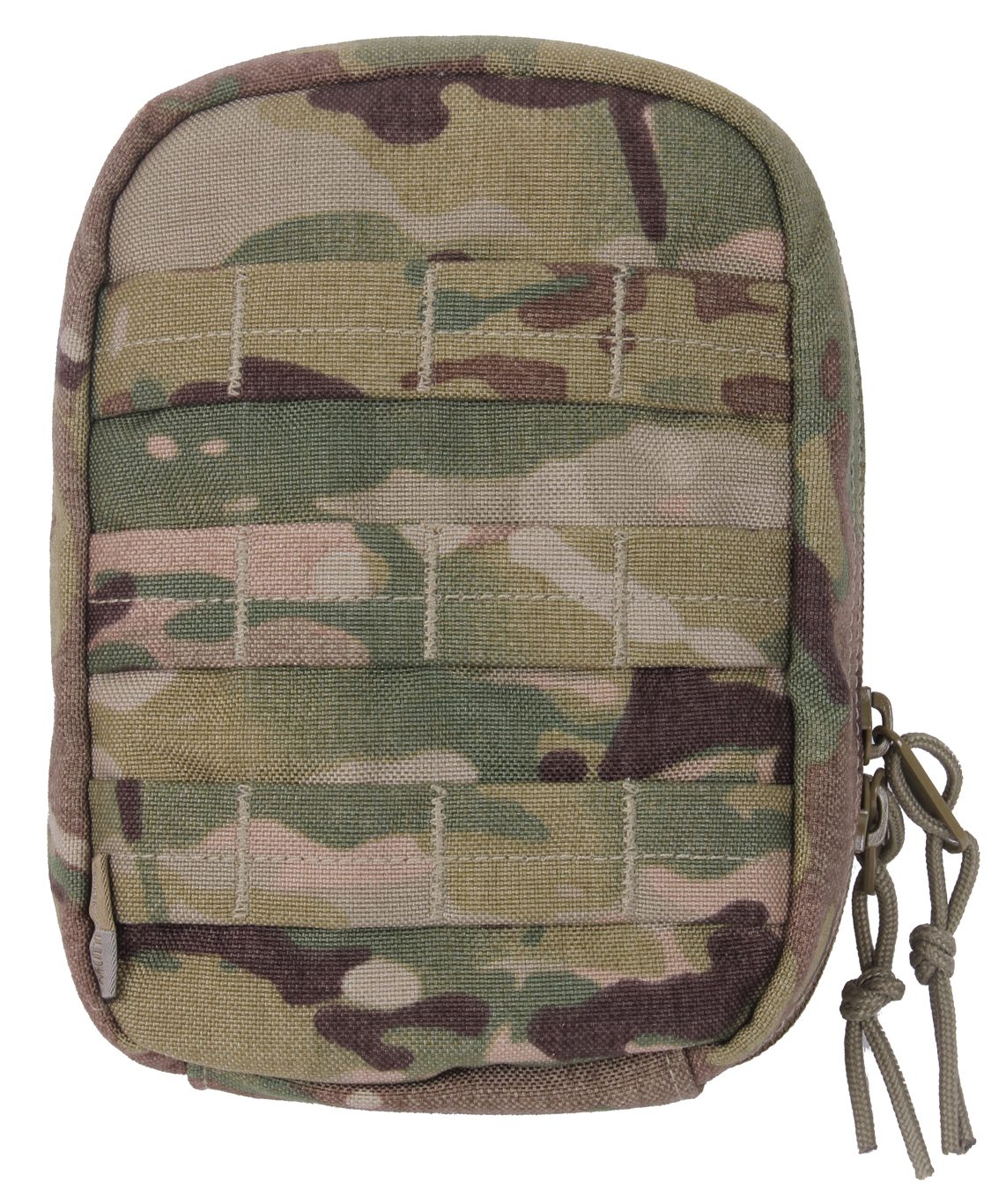
First aid: A basic trauma kit handles the most common roadside injuries; cuts from broken glass, burns, and abrasions. Rothco’s first aid kits come pre-assembled with the essentials. Add a tourniquet and a chest seal if you want to cover more serious scenarios. Keep the kit in the same location every time so you’re not searching for it under pressure.
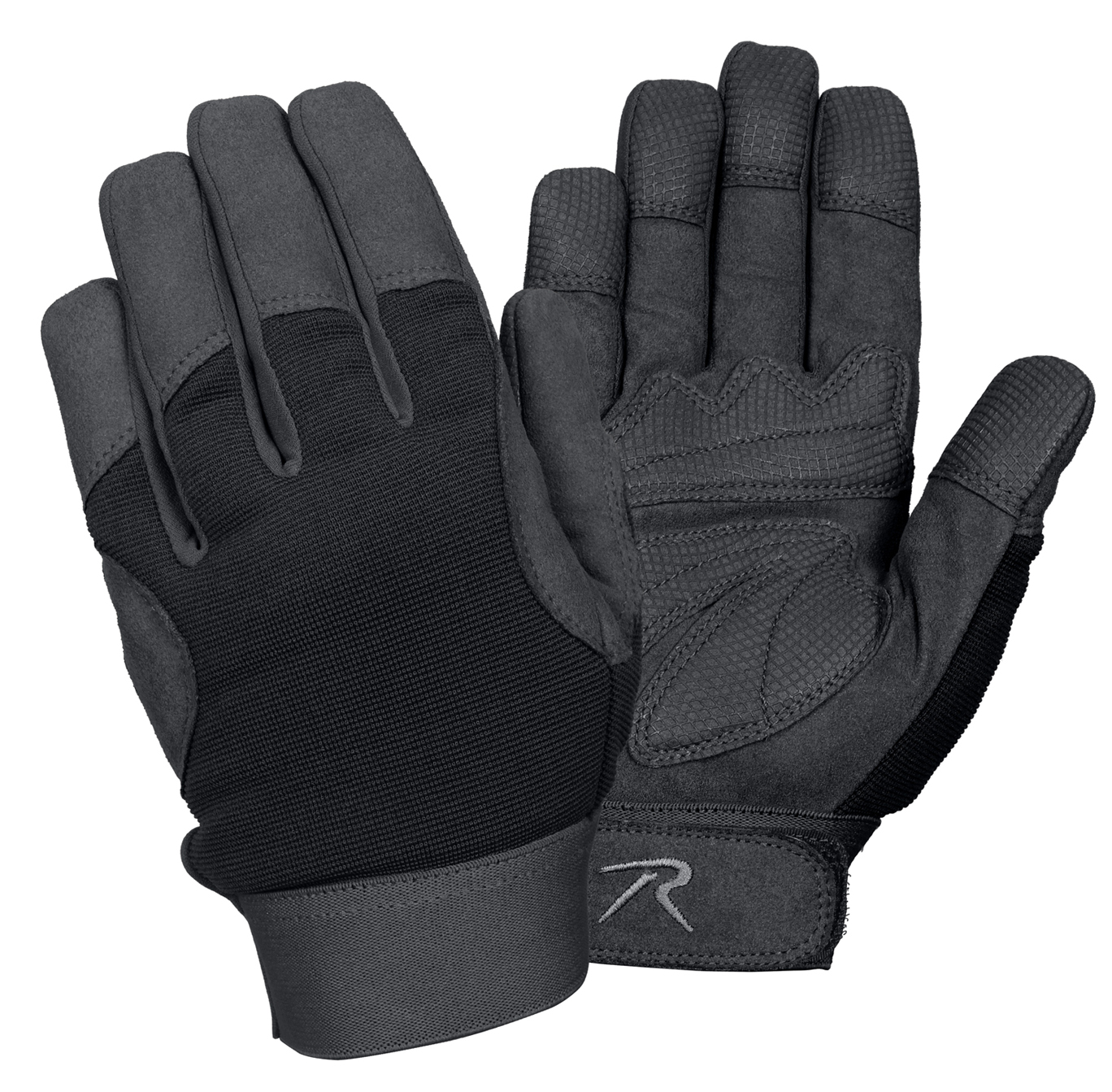
Gloves: A pair of Rothco tactical or work gloves lets you handle a hot engine component, broken glass, or a tow strap without injury. Keep them in the kit rather than the glovebox so they’re always with the rest of your gear.
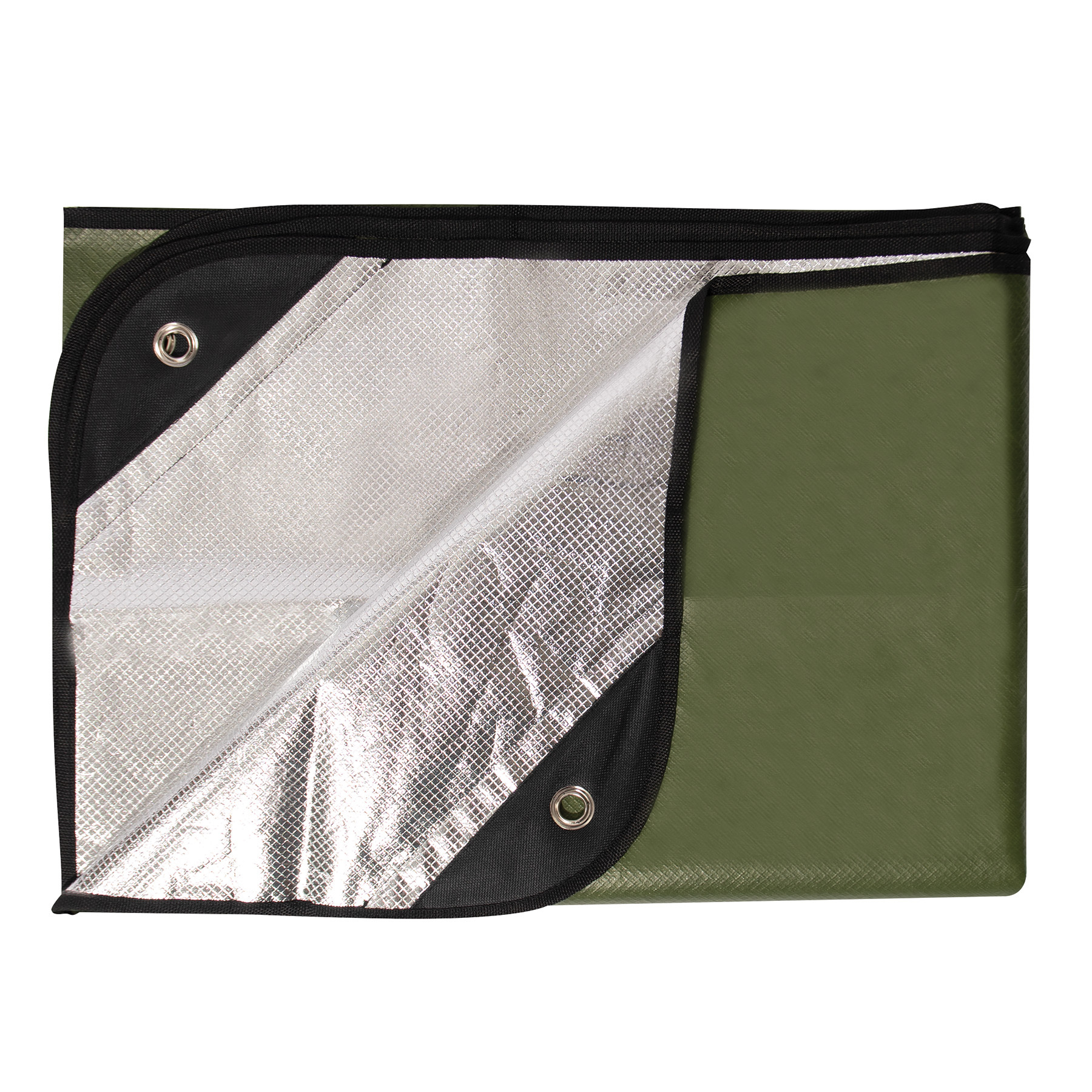
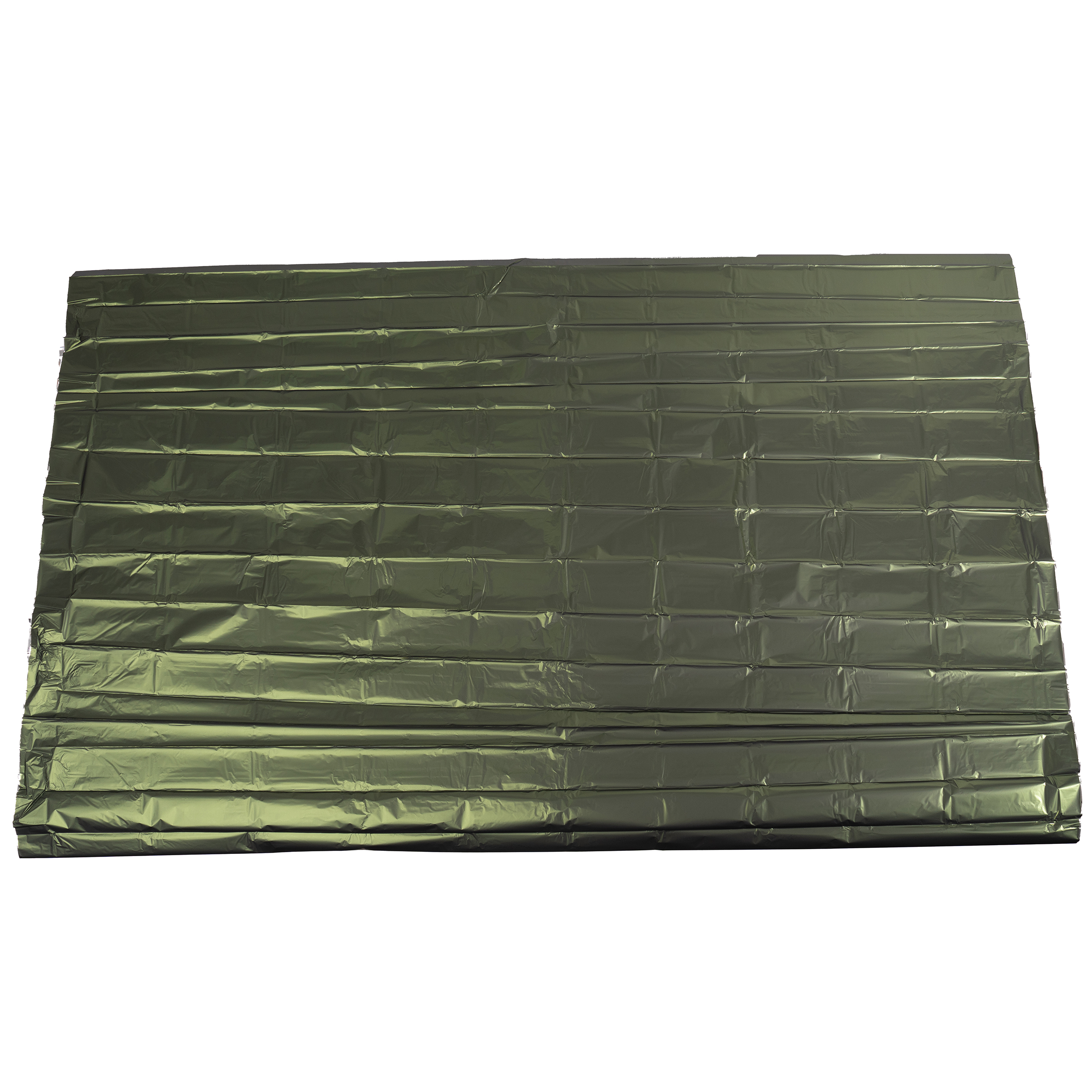
Emergency blanket: A Mylar emergency blanket weighs almost nothing and packs down to the size of a deck of cards. In a cold-weather breakdown situation it’s the difference between hypothermia and staying warm while you wait for help. Rothco’s emergency blankets are military-spec and reusable.
Paracord: 50 feet of Rothco 550 paracord handles more roadside situations than you’d expect; tying down a hood, securing a loose bumper, creating a tow assist, building a shelter if you have to spend a night out. It weighs nothing and takes up almost no space.
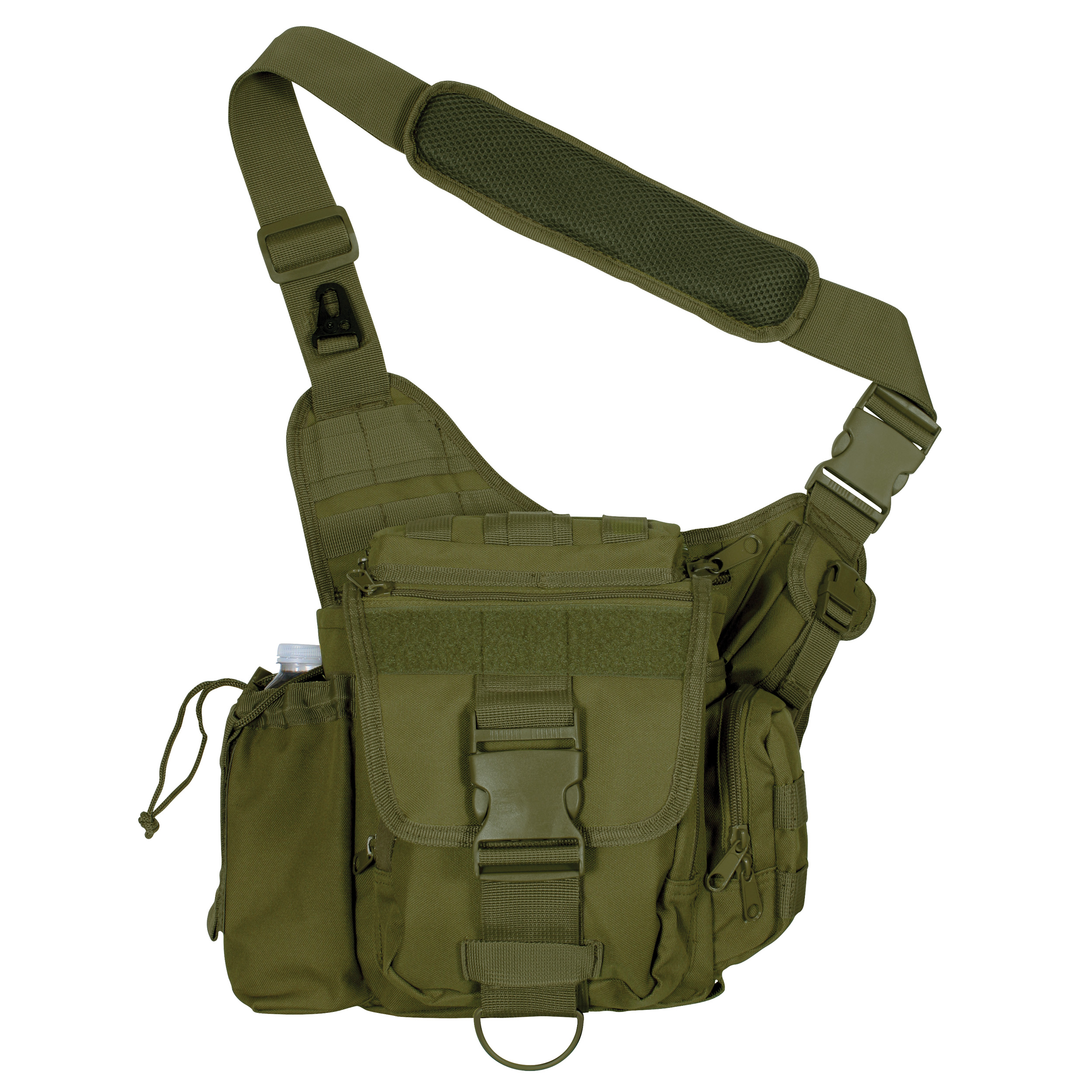
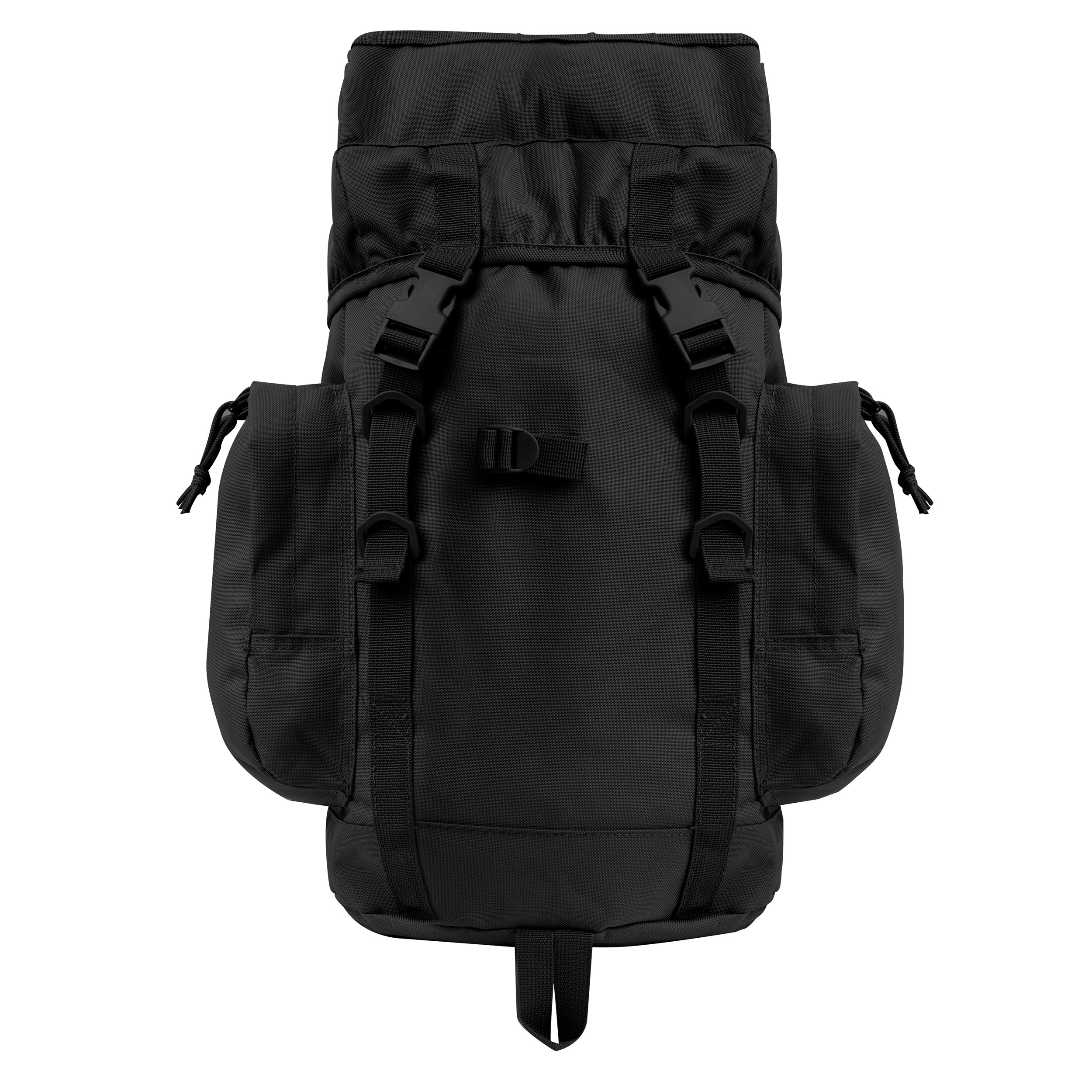
Storage: Keep everything in a dedicated bag so it stays organized and doesn’t slide around the trunk. Rothco’s utility bags and small tactical backpacks work well; they’re durable, easy to identify, and give you organized compartments for different types of gear.
Truck and 4×4 Additions
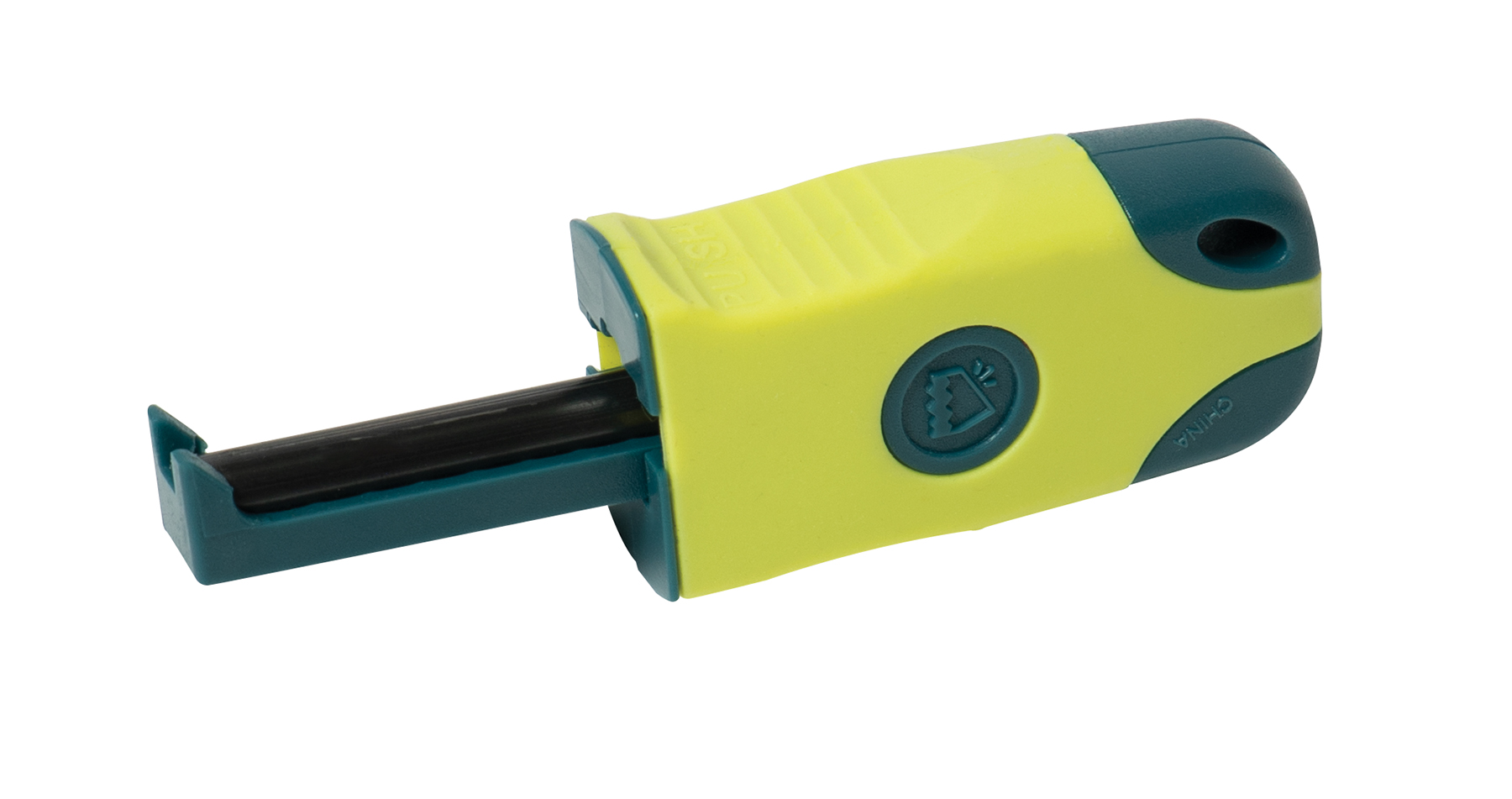
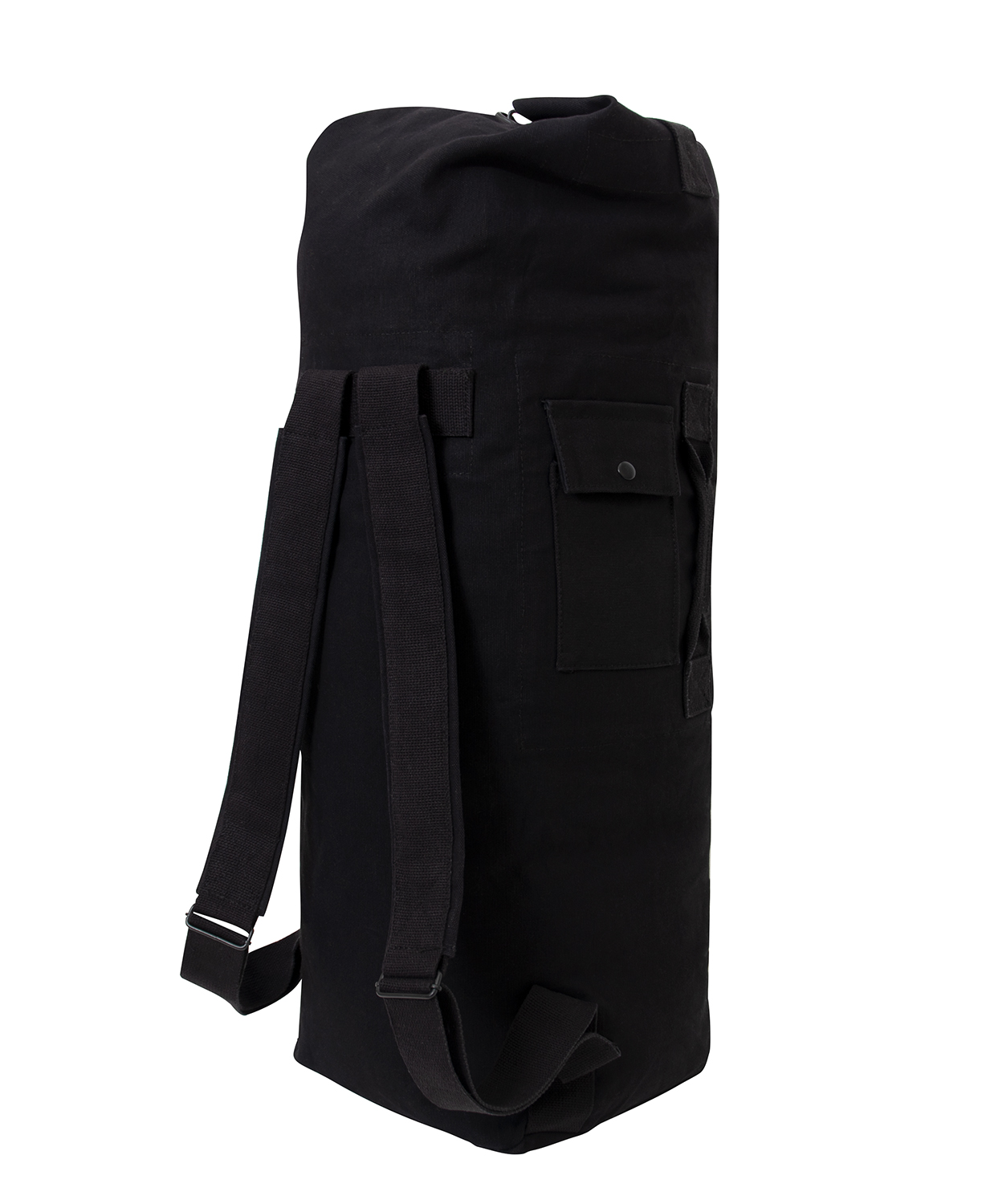
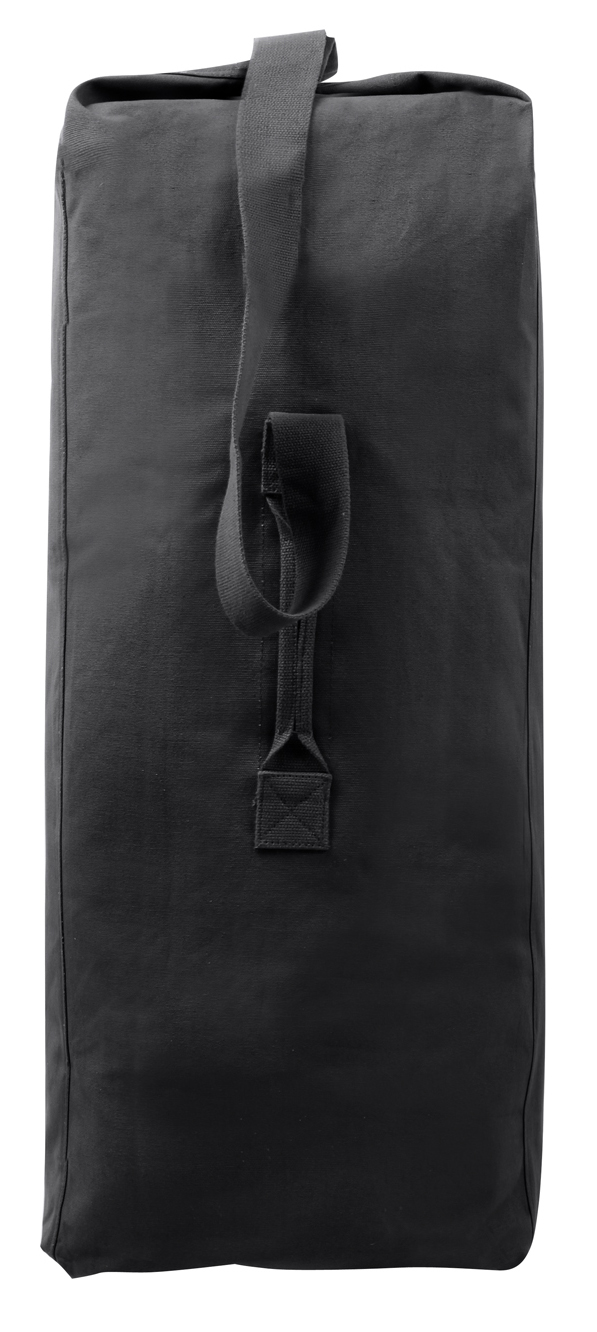
If you drive a truck, SUV, or 4×4 in rural areas or off-road environments, your vehicle kit should be more substantial. Add a Rothco military-style duffel for additional gear capacity, a larger first aid kit, water storage, and fire-starting capability. Consider a tow strap and recovery kit for off-road situations. The goal is to be self-sufficient for 24–72 hours if you get stuck in a remote location.
Frequently Asked Questions
How often should I check my vehicle kit?
Check it twice a year; when you change your clocks is an easy reminder. Replace any used or expired items, check battery-powered items, and make sure nothing has been borrowed from the kit and not replaced.
Where should I store the kit in my vehicle?
The trunk or cargo area is standard, but keep your flashlight and gloves accessible from the cab. If your kit is buried under a week’s worth of cargo, you won’t be able to get to it when you need it.
What’s the most important thing in a vehicle kit?
Light, then first aid, then warmth. Those three categories cover the majority of roadside emergency scenarios. Everything else is an upgrade on a solid base.
Related guides: Bug-Out Bag Guide · Emergency Preparedness Gear · EMT & First Responder Gear