
Bug-Out Bag Guide
A bug-out bag is a pre-packed kit designed to sustain you for 72 hours if you have to leave your home quickly; whether that’s a natural disaster, a prolonged power outage, a civil emergency, or any other situation where staying put isn’t an option. The goal isn’t to pack for every possible scenario. The goal is to cover the fundamentals reliably so you’re not improvising under pressure. This guide walks through building a practical bug-out bag from Rothco gear.
Everything you need to build a solid bug-out bag — backpacks, survival essentials, first aid, lighting, and multi-day gear.
Choosing the Right Bag
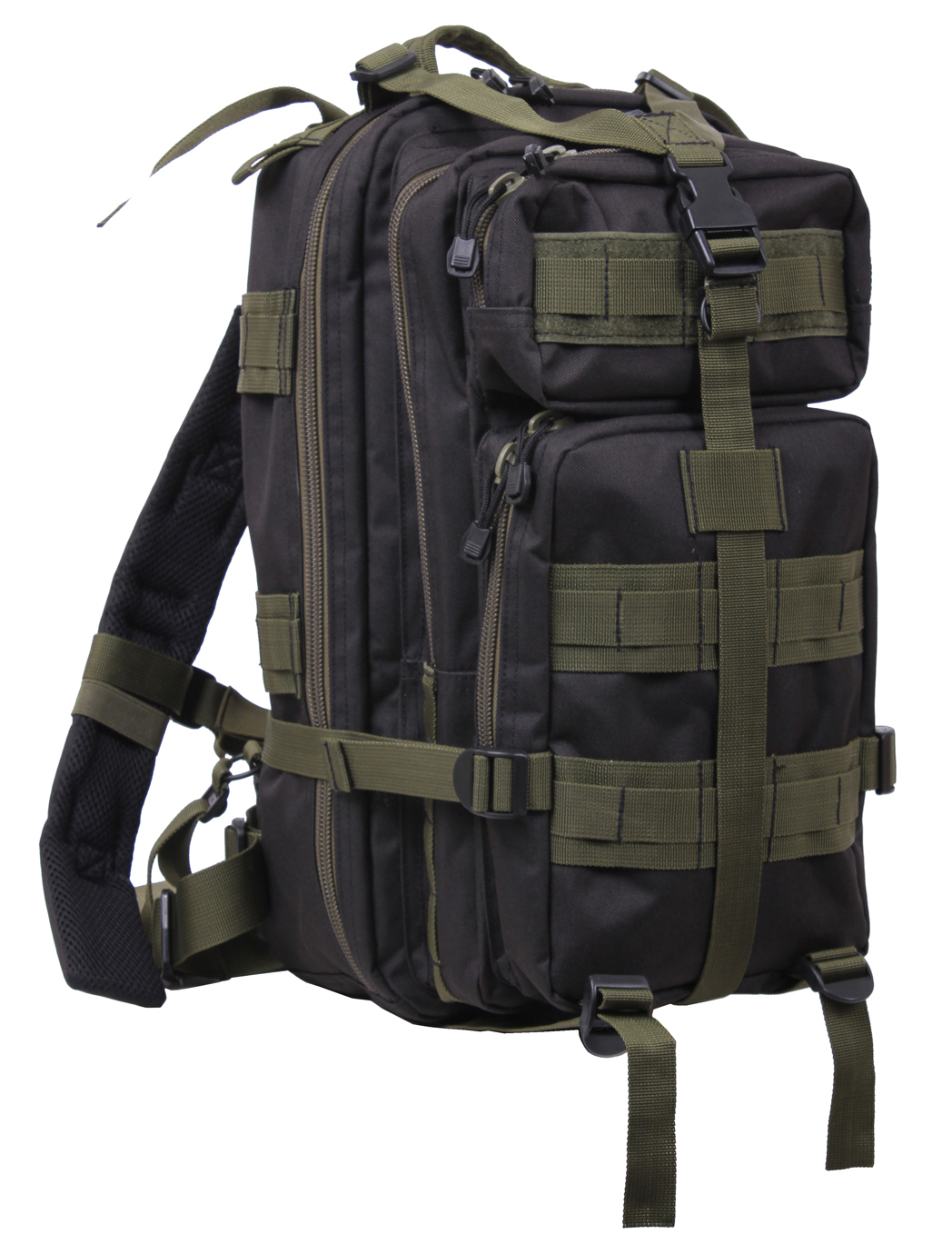
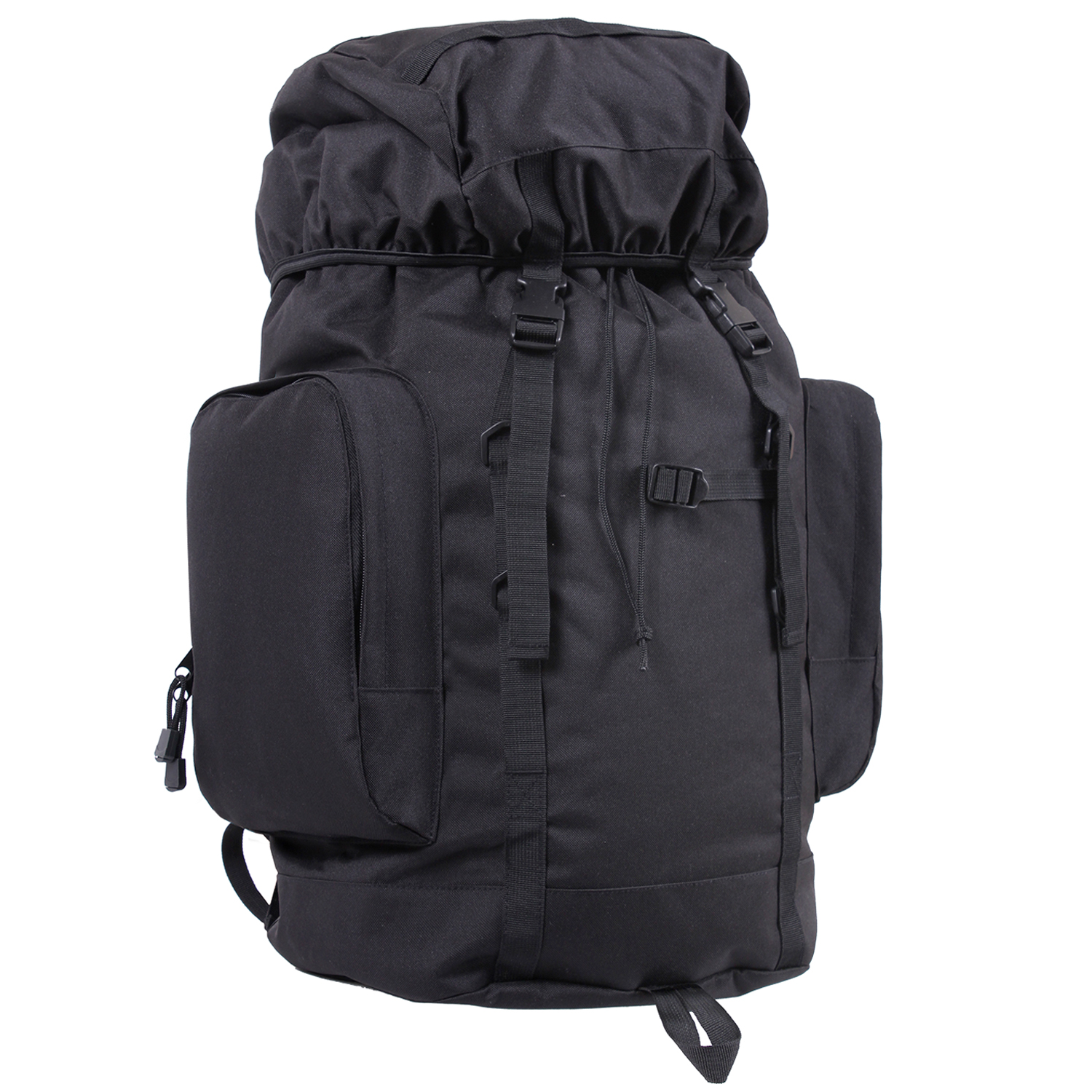
The bag itself matters. You want something large enough to carry 72 hours of supplies without being so large that it slows you down. A 30–50 liter tactical backpack is the standard range for a bug-out bag. Rothco’s MOLLE-compatible tactical backpacks are built for exactly this kind of load; padded shoulder straps, a sternum strap, multiple compartments for organization, and attachment points on the exterior for additional pouches.
MOLLE compatibility is worth prioritizing. It lets you attach additional pouches to the outside of the bag as your kit evolves, without having to replace the bag itself.
The Core 72-Hour Kit
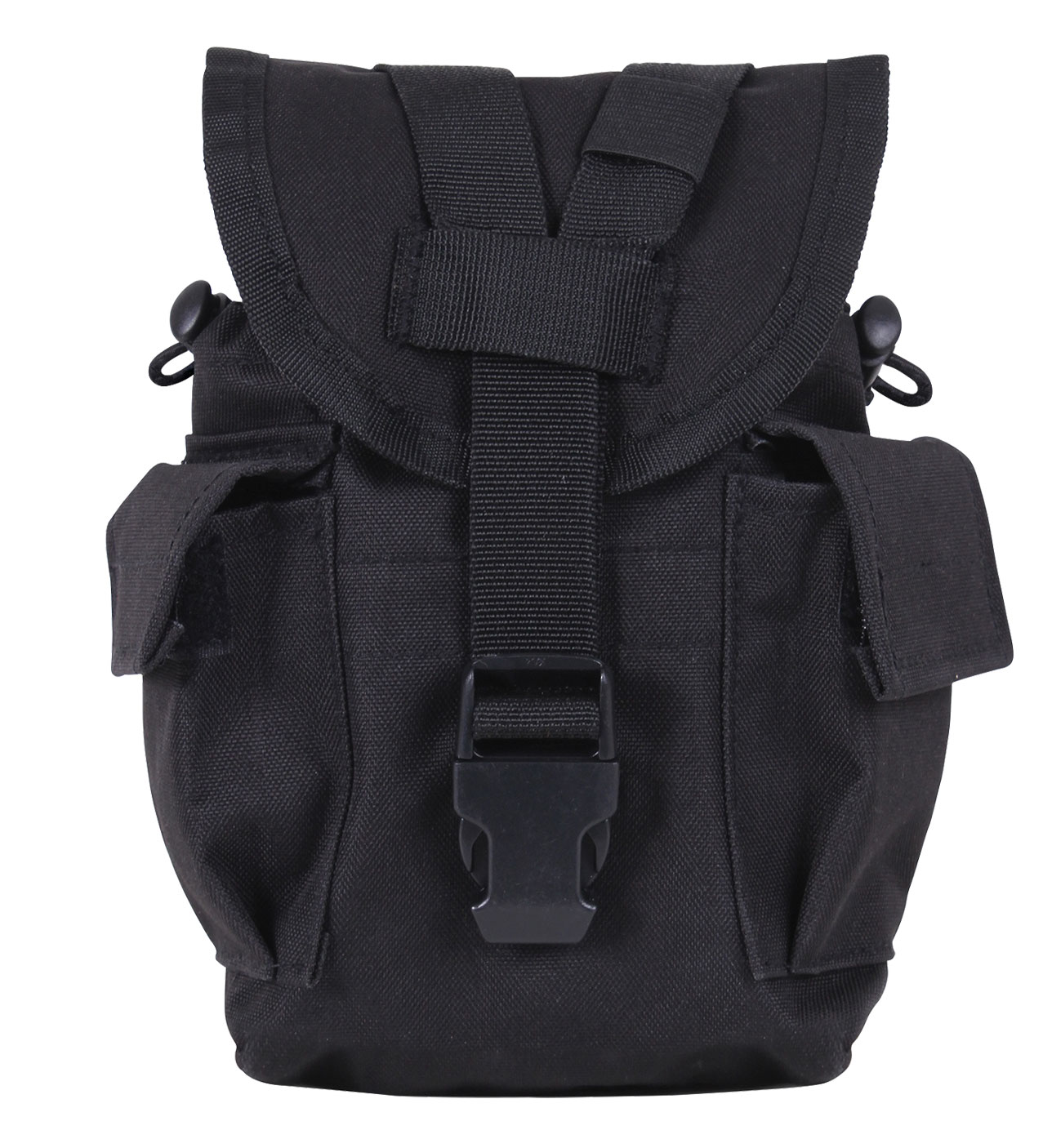
Water: One liter per person per day is the minimum. A Rothco military canteen gives you a durable, compact water storage option. Add water purification tablets, they weigh almost nothing and turn any water source into potable water.
Food: High-calorie, non-perishable food for 72 hours. Energy bars, dried food, and MREs are standard options. This isn’t something Rothco supplies, but the bag and pouches that organize your food storage are.
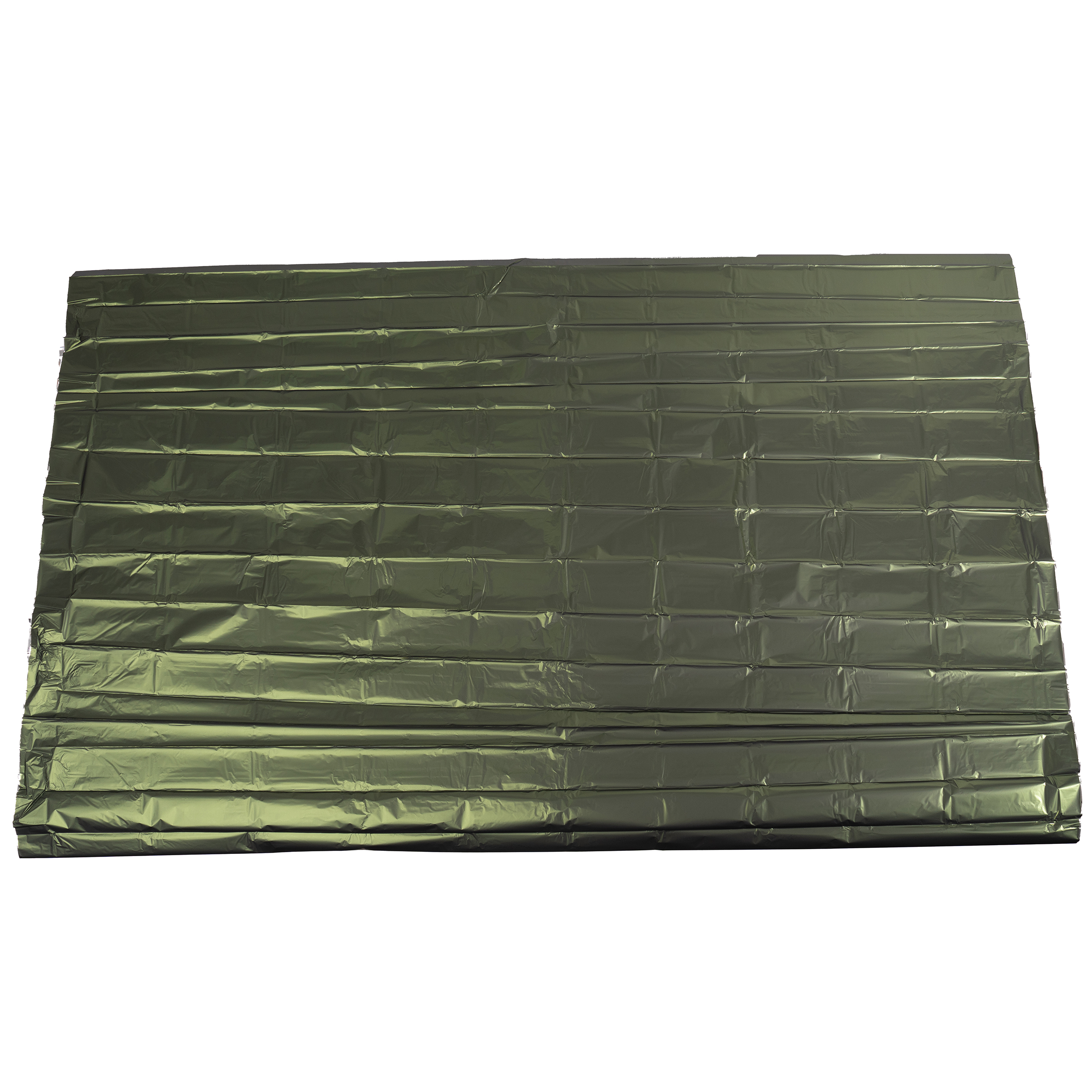
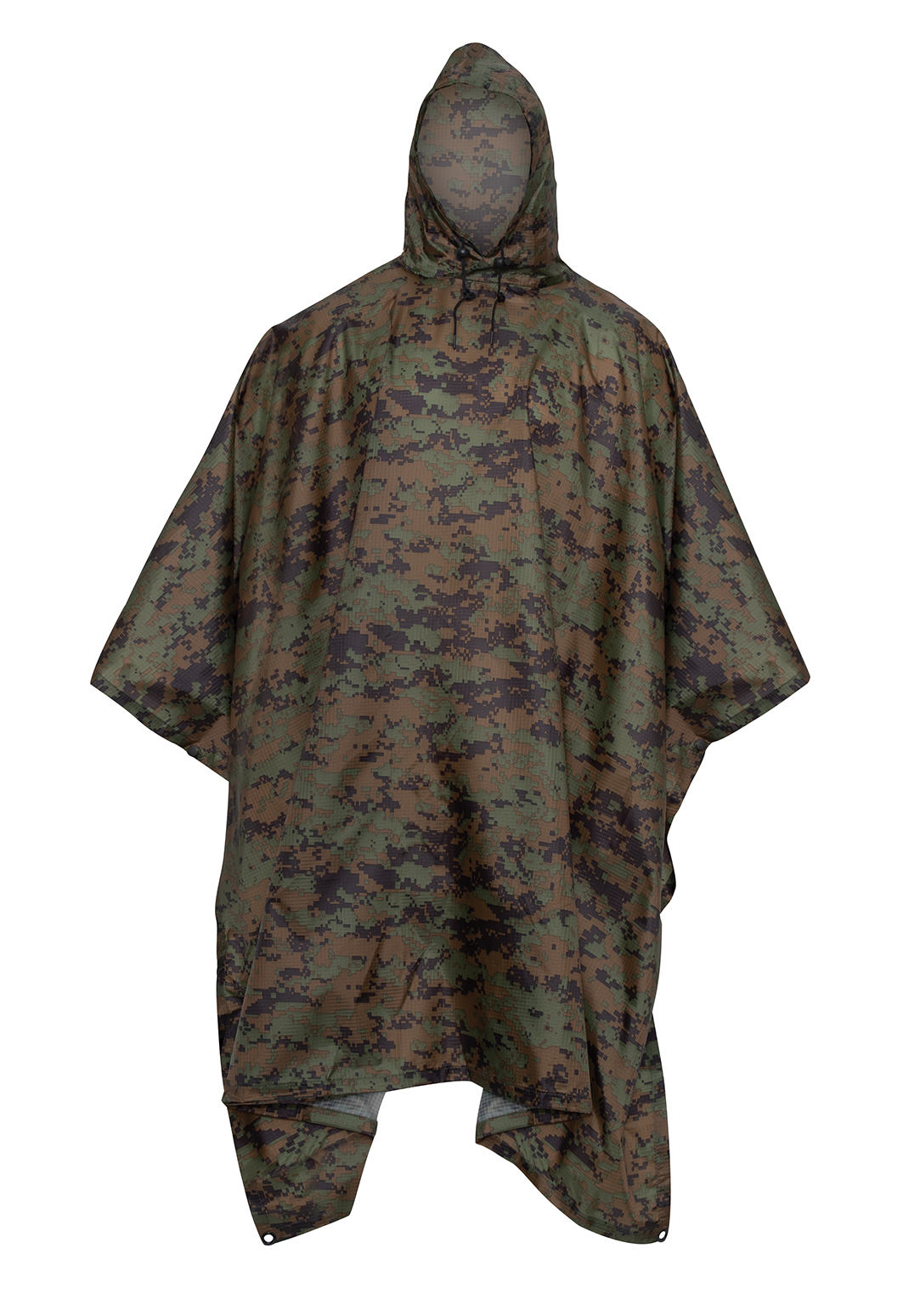
Shelter: A Rothco military-spec poncho doubles as rain gear and emergency shelter. A Mylar emergency blanket handles heat retention if you’re sleeping without a sleeping bag. A lightweight tarp extends your shelter options significantly.
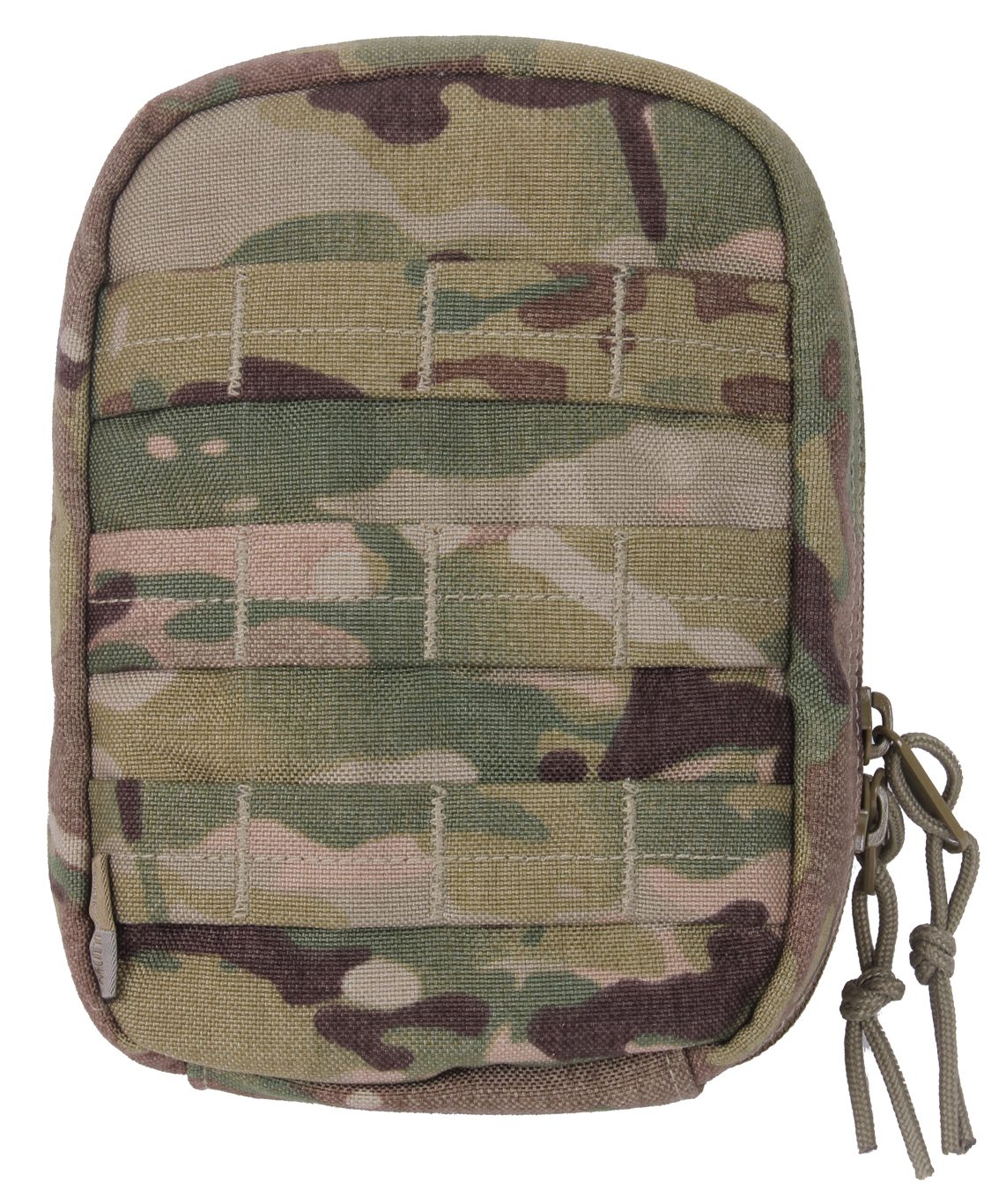
First aid: A trauma-level first aid kit covers injuries beyond basic cuts and scrapes. At minimum: tourniquets, wound packing gauze, chest seal, bandages, antiseptic, and pain relief. Rothco’s first aid kits provide a solid base to build from.
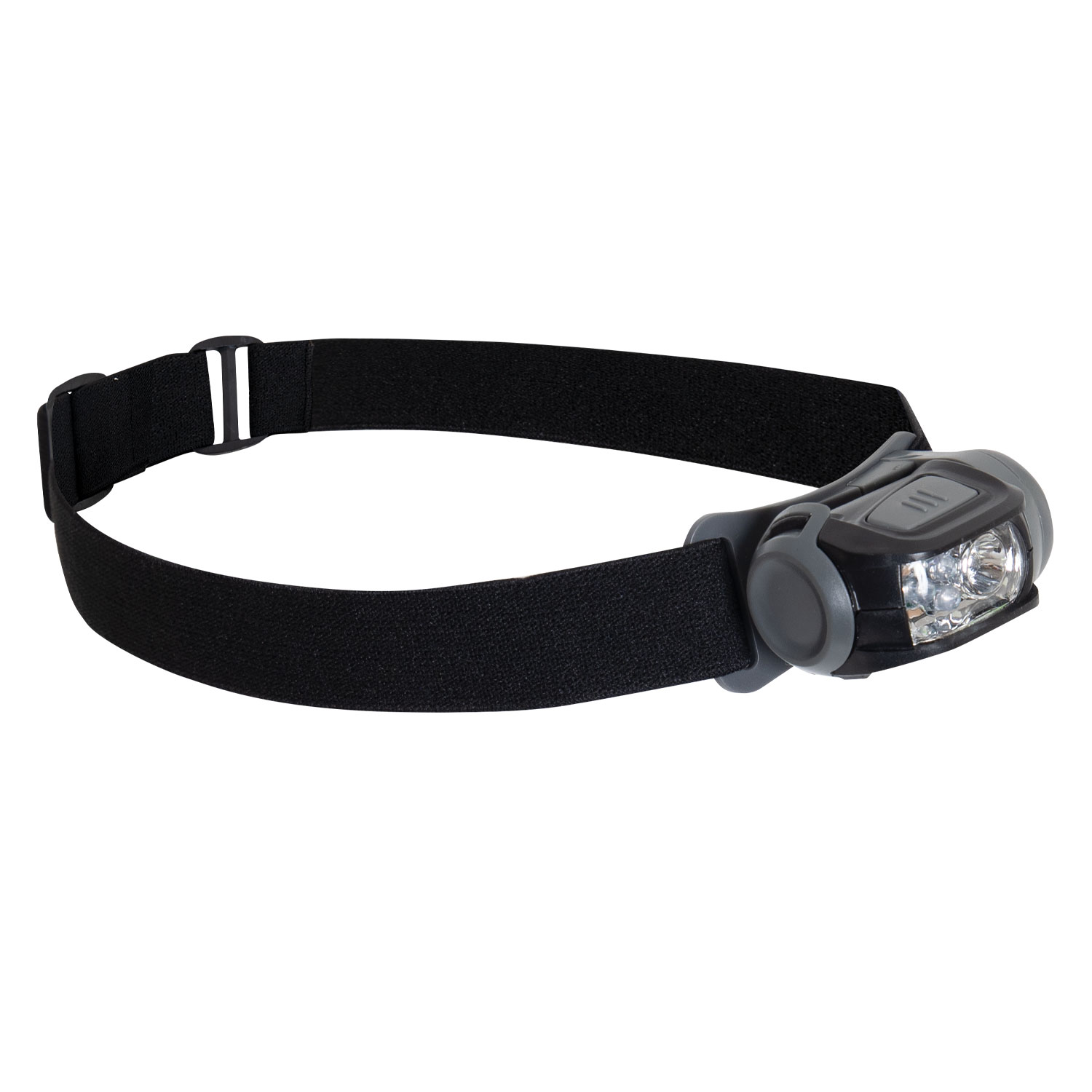
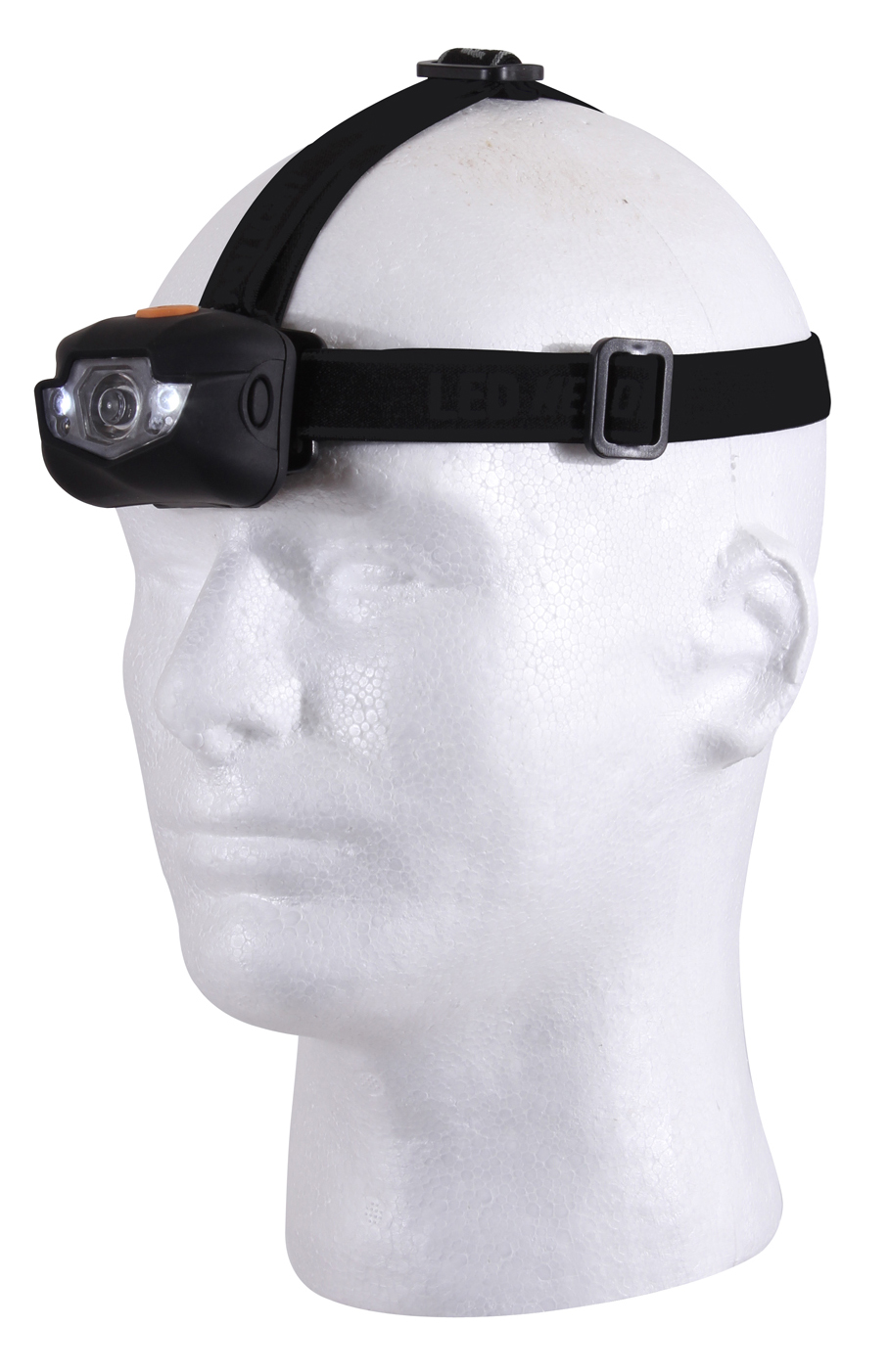
Light: A headlamp keeps your hands free. Carry spare batteries or a hand-crank option. A Rothco tactical flashlight as a backup gives you options if the primary fails.
Fire: Waterproof matches and a lighter. Neither takes up meaningful space and both become critical in cold or wet conditions.
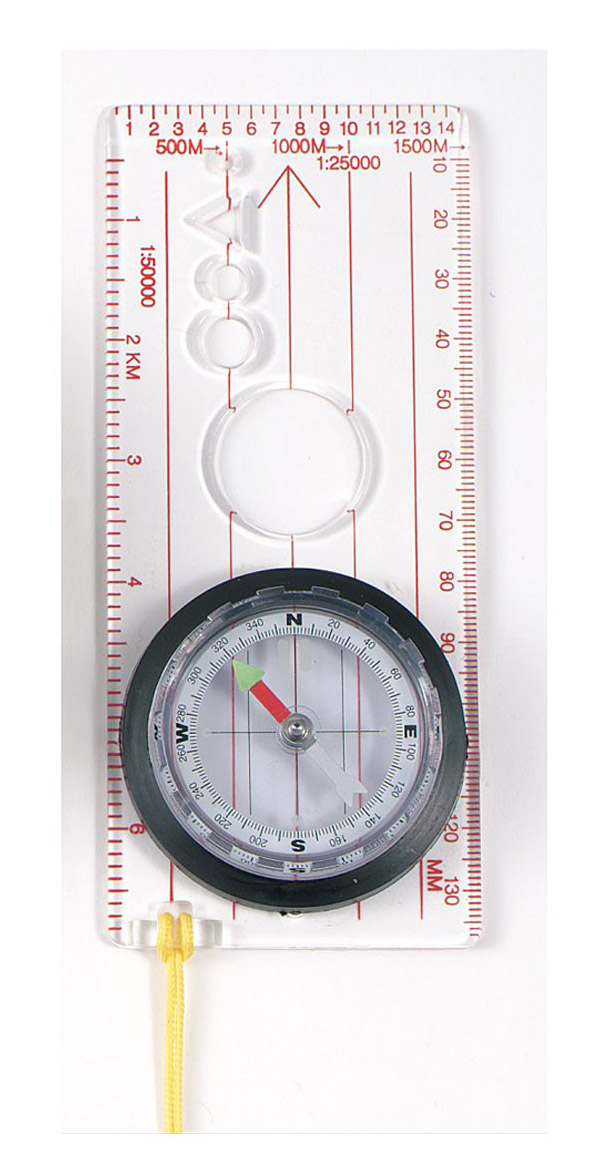
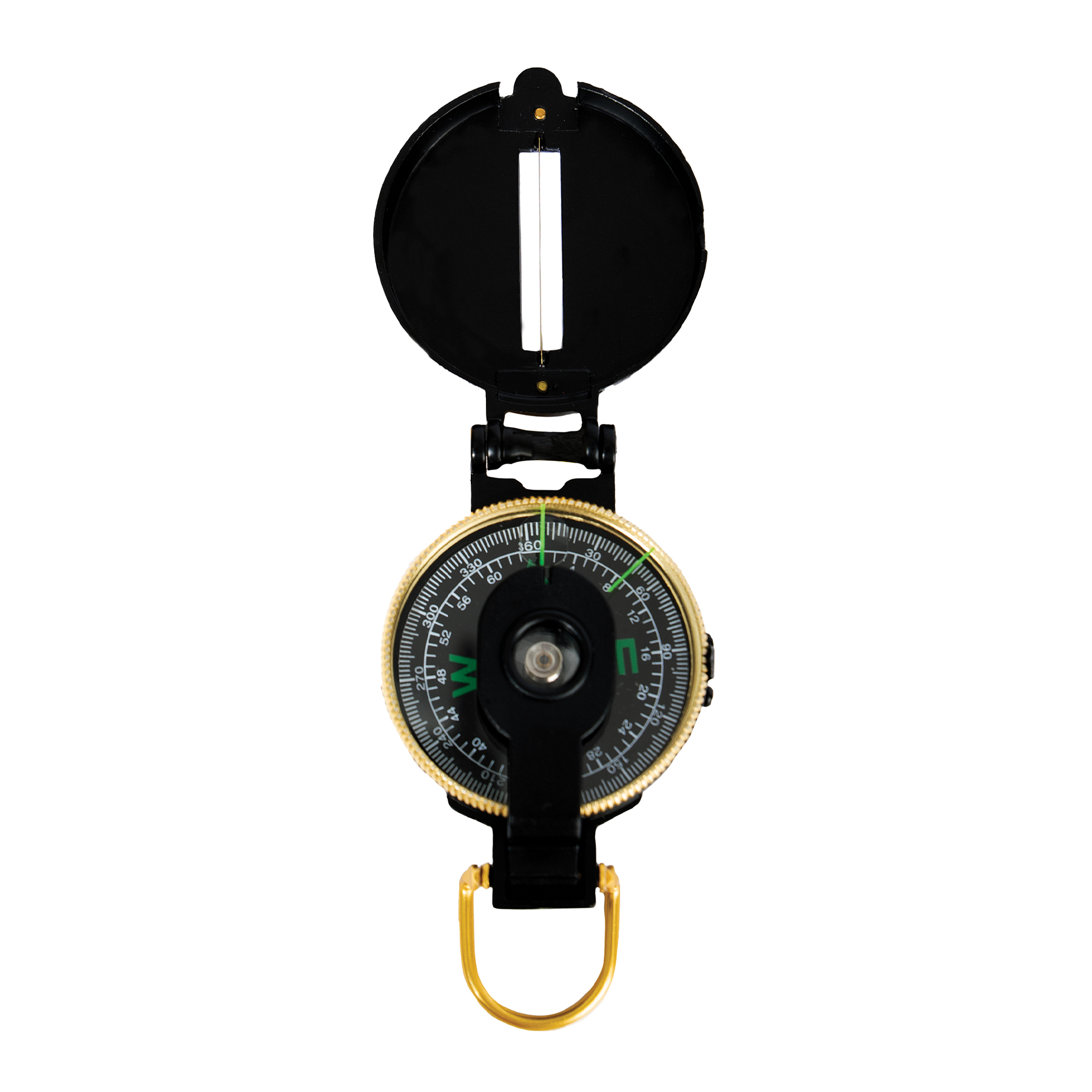
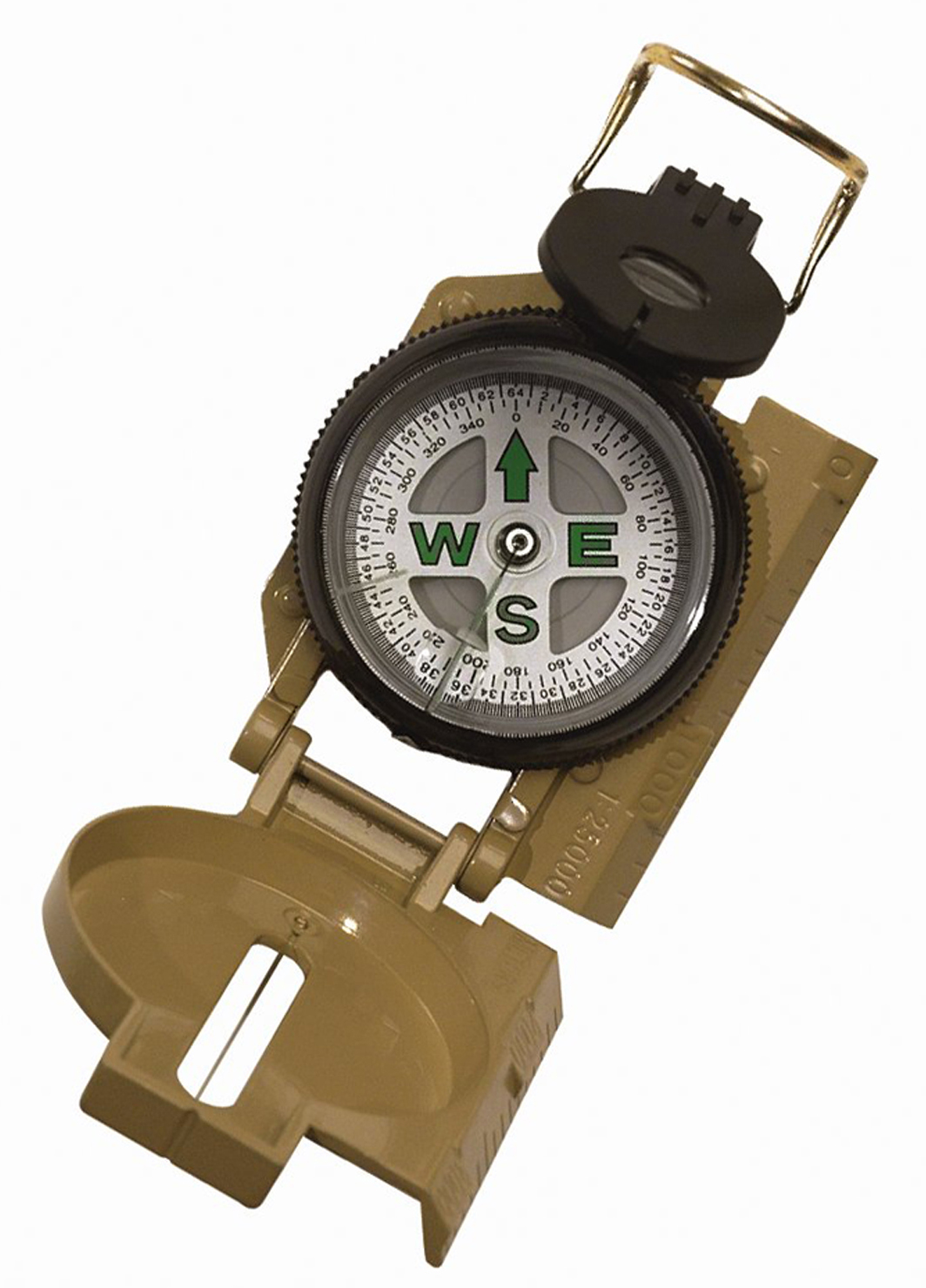
Navigation: A paper map of your area and a compass. Electronics fail. Paper doesn’t.
Paracord: 100 feet of Rothco 550 paracord. Shelter building, gear repair, load securing; paracord handles more field tasks than almost any other item in the bag.
Organizing Your Bag
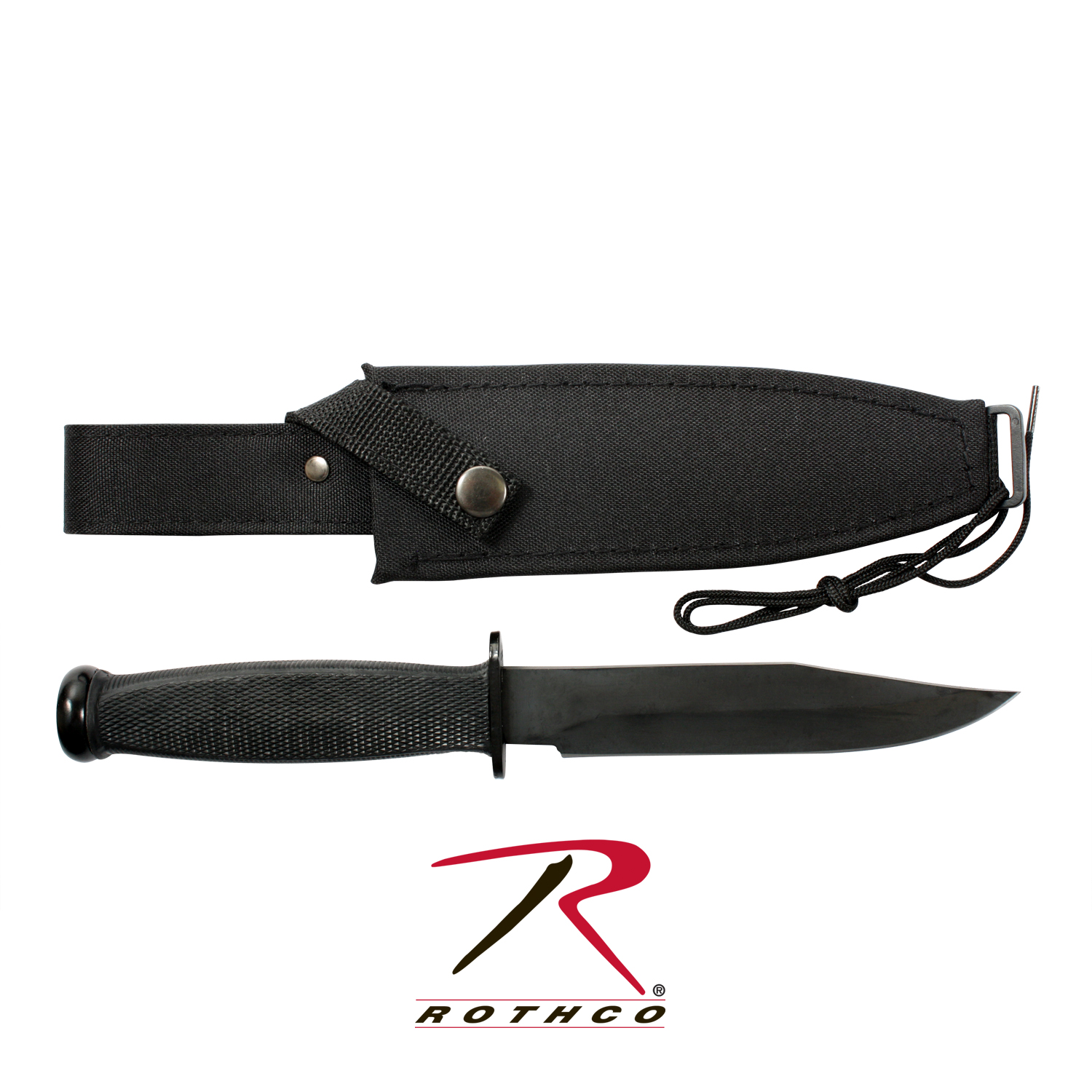
Group items by use and keep the most frequently accessed items in the most accessible pockets. Water and first aid at the top or in exterior pockets. Shelter materials in the main compartment. Food at the bottom since it’s accessed on a schedule. Use Rothco MOLLE pouches on the exterior for items you need immediate access to; a knife, a light, a small first aid kit.
Frequently Asked Questions
How heavy should a bug-out bag be?
A loaded bug-out bag should not exceed 20–25% of your body weight. Beyond that, it becomes a liability over distance. If your bag is too heavy, prioritize ruthlessly; water, shelter, first aid, and light come before everything else.
How often should I update my bag?
Review it twice a year. Replace expired items, rotate food and water, and update your kit based on changes in your household, location, or threat environment.
Should everyone in my household have their own bag?
Yes, for anyone physically capable of carrying one. Children’s bags can be lighter; a change of clothes, snacks, a comfort item, and a light. Adults should carry the heavier items. Distribute the load across the group rather than one person carrying everything.
Related guides: Vehicle Emergency Kit · Emergency Preparedness Gear · EMT & First Responder Gear