
Winter Operations Gear
There’s a meaningful difference between hiking in cold weather and operating professionally in cold weather. Recreational cold-weather gear is designed for controlled exertion with the option to return to warmth. Operational winter gear has to support sustained activity across variable exertion levels, often while wearing additional equipment, with no scheduled return to a warm environment. This guide covers the Rothco gear built for the operational side of winter.
Gear for working or operating in true winter conditions — insulated outerwear, waterproof layers, cold-weather base layers, headwear, and gloves built for serious cold.
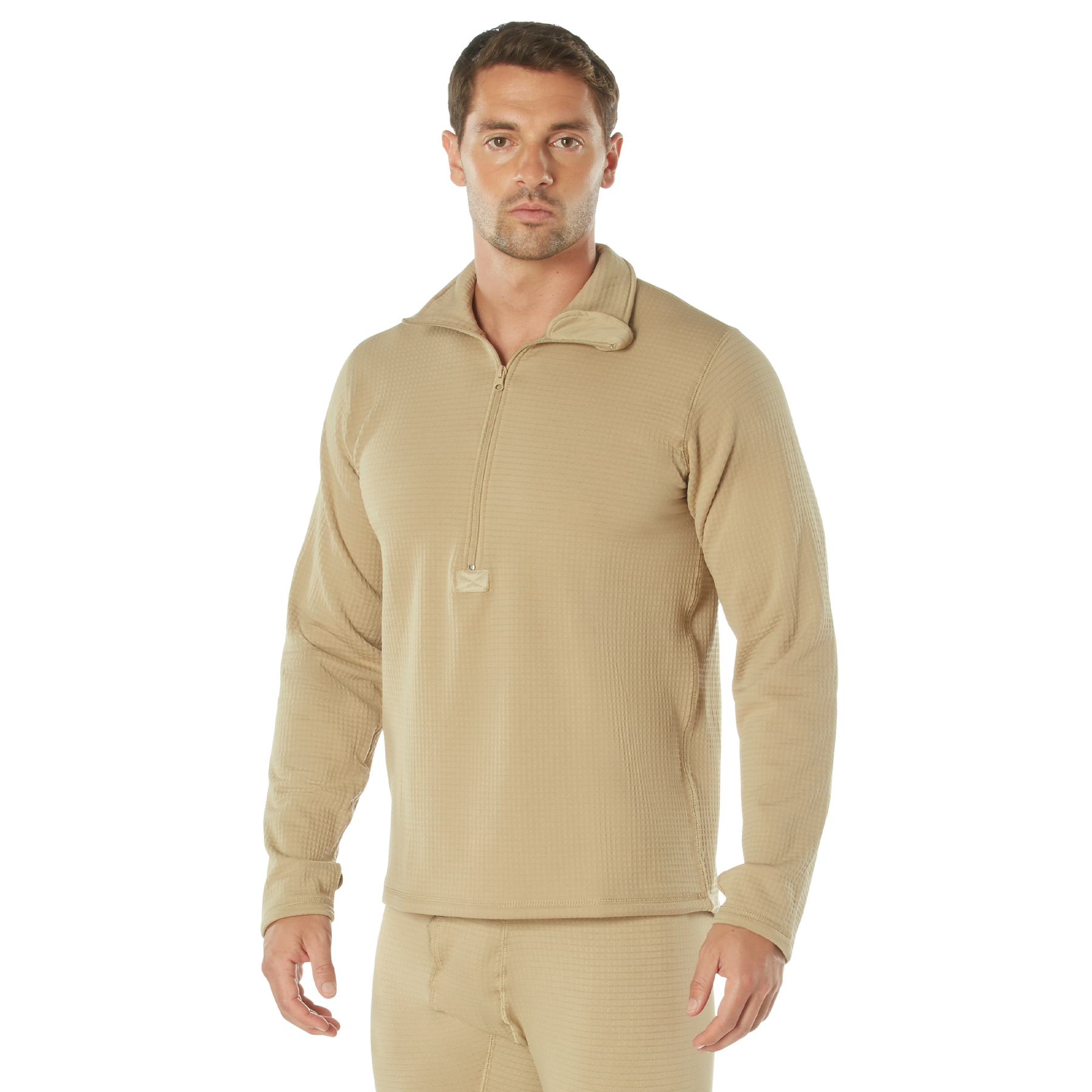
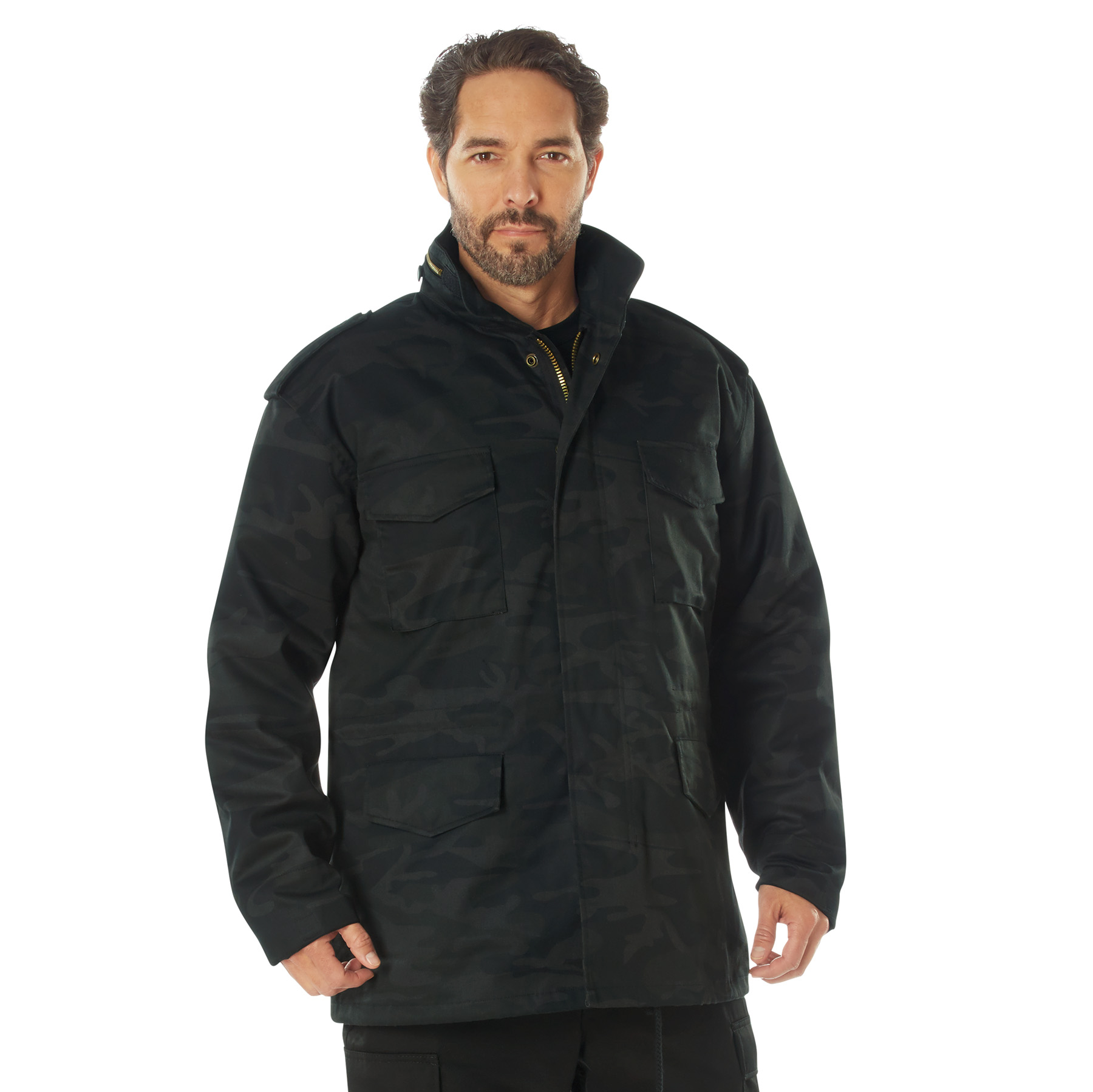
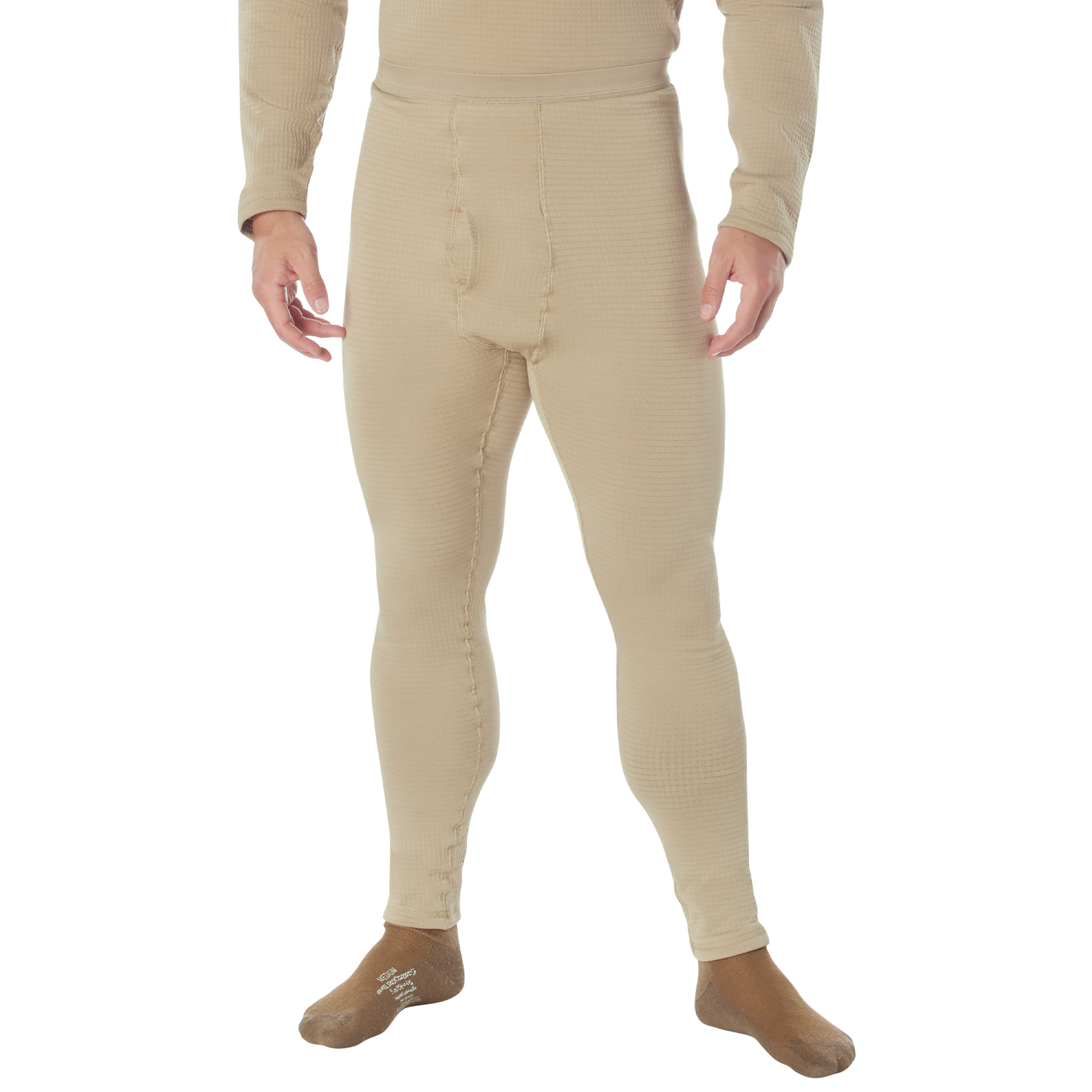
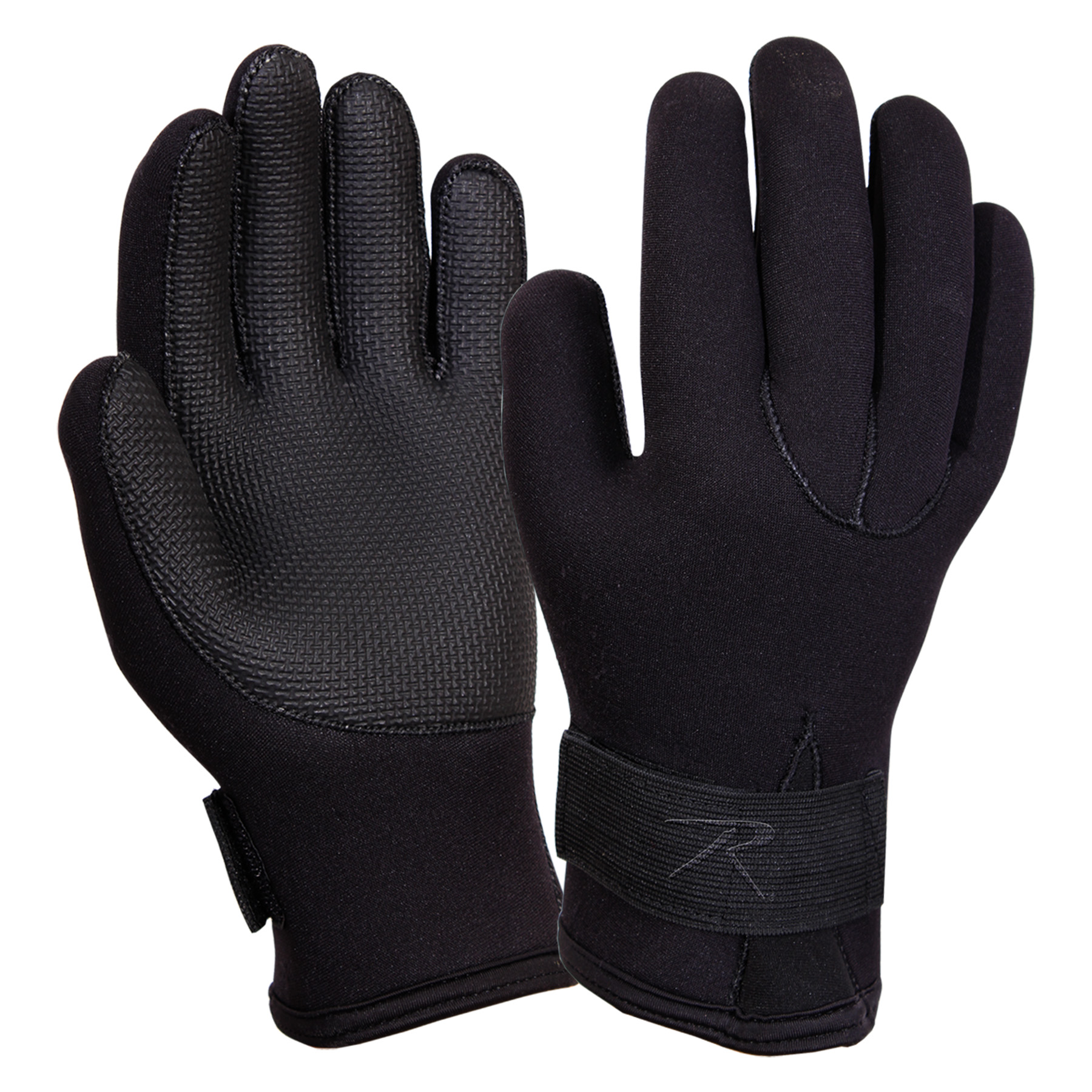
Insulation and Waterproofing
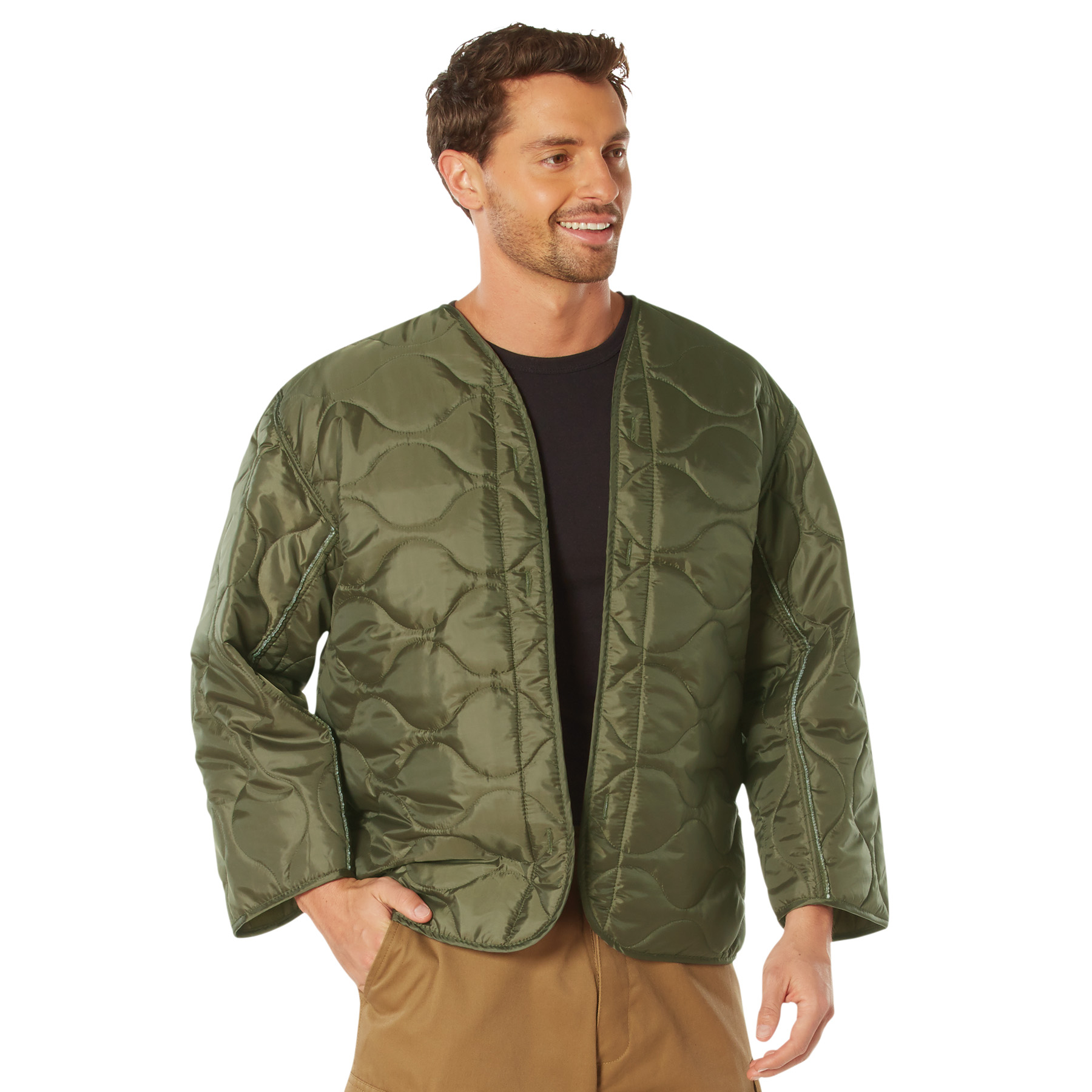
Wet cold is the most dangerous cold. Insulation that absorbs moisture loses its thermal efficiency — sometimes completely. This is why the outer shell matters as much as the insulation underneath it. Rothco’s M-65 field jacket with its button-in liner takes the correct approach: a water-resistant treated shell protects the liner from the precipitation that would defeat it. For wetter conditions, Rothco’s parka-style outerwear adds dedicated waterproof protection for extended rain and snow exposure.
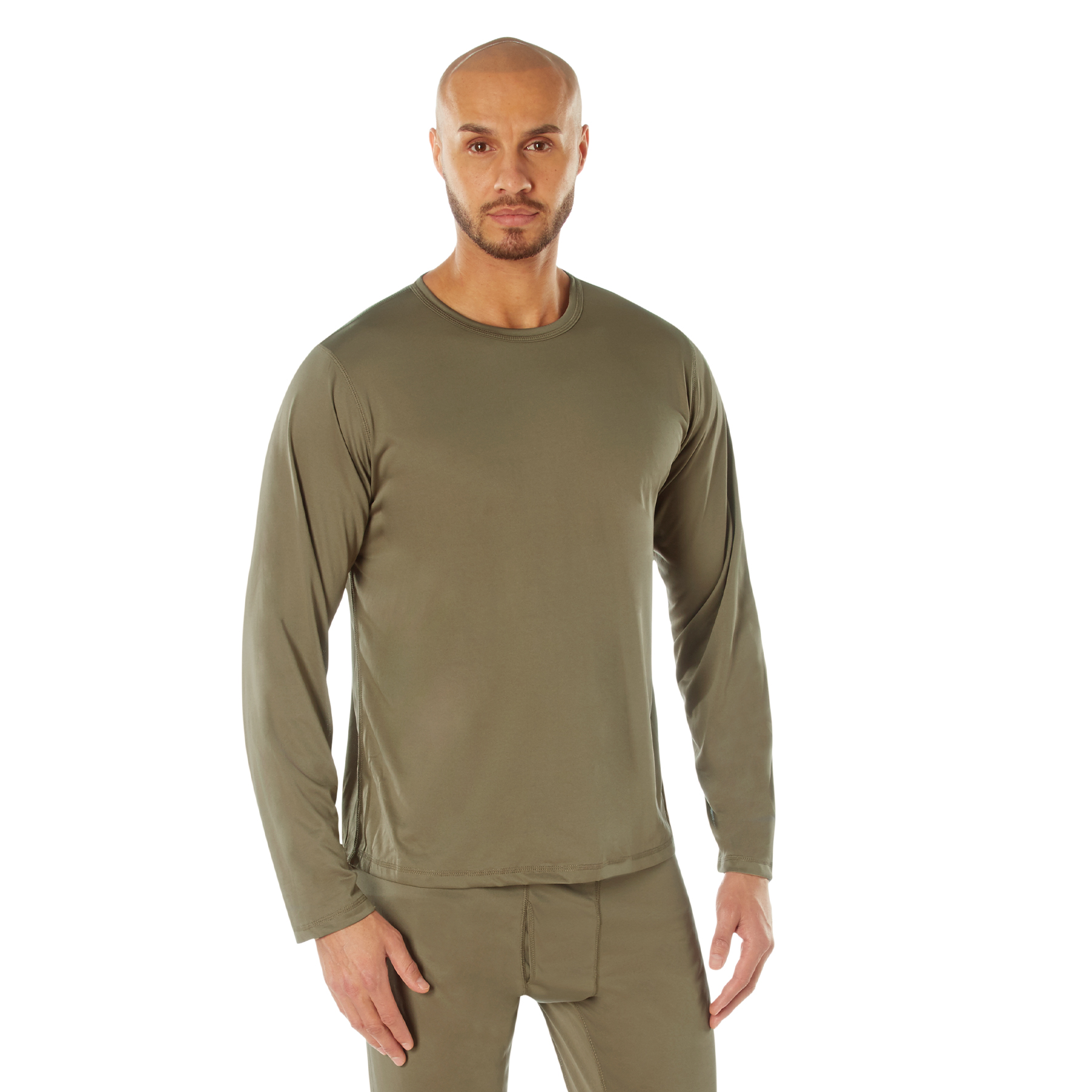
The layering principle applies in winter operations as much as in any other environment. A synthetic base layer manages moisture during periods of high exertion. A Rothco fleece mid-layer provides insulation during lower-activity periods and acts as a standalone layer in moderate cold. The outer shell blocks wind and precipitation. Managing those three layers across changing activity levels is the skill — not wearing the heaviest possible single garment.
Extremity Protection
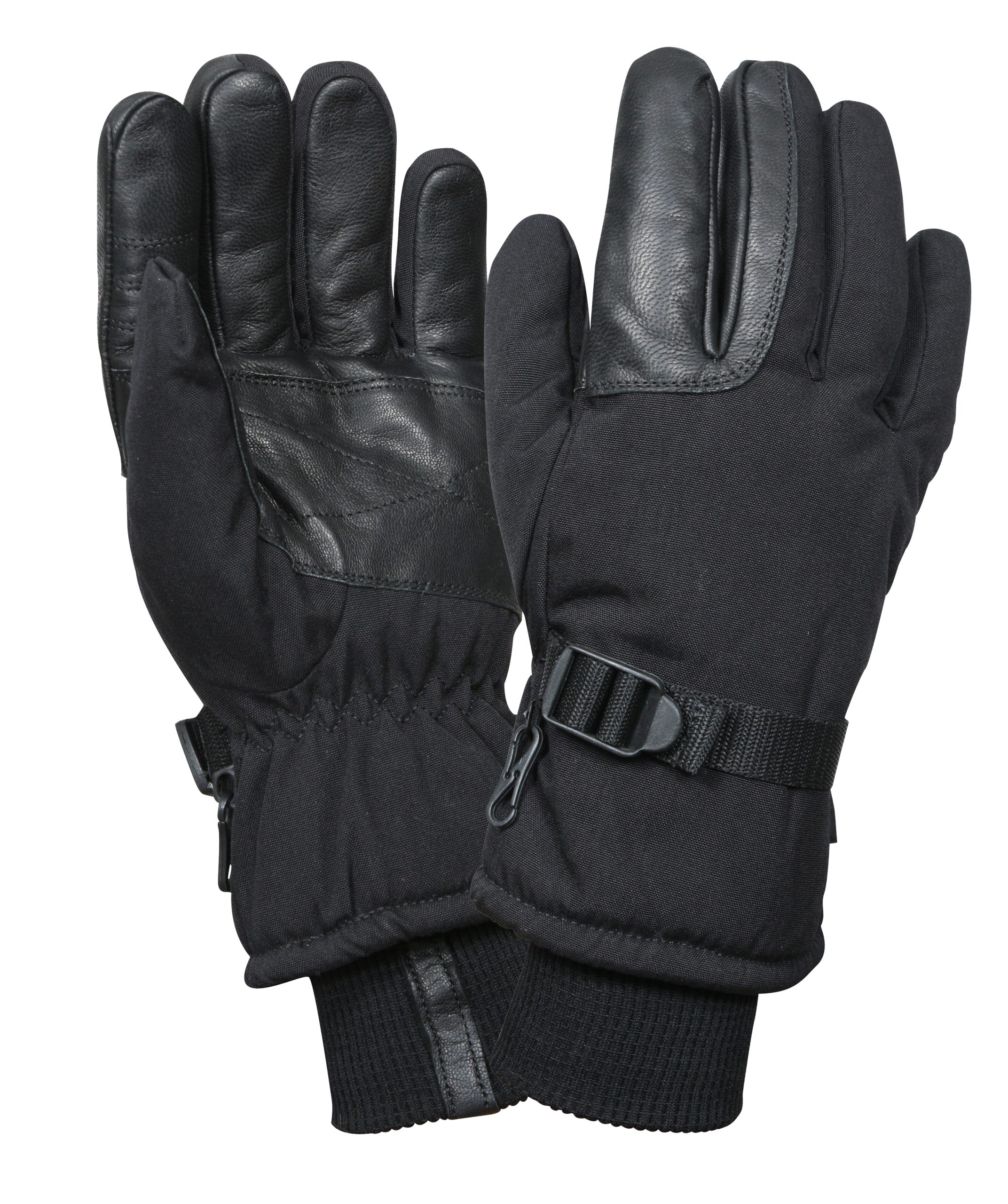
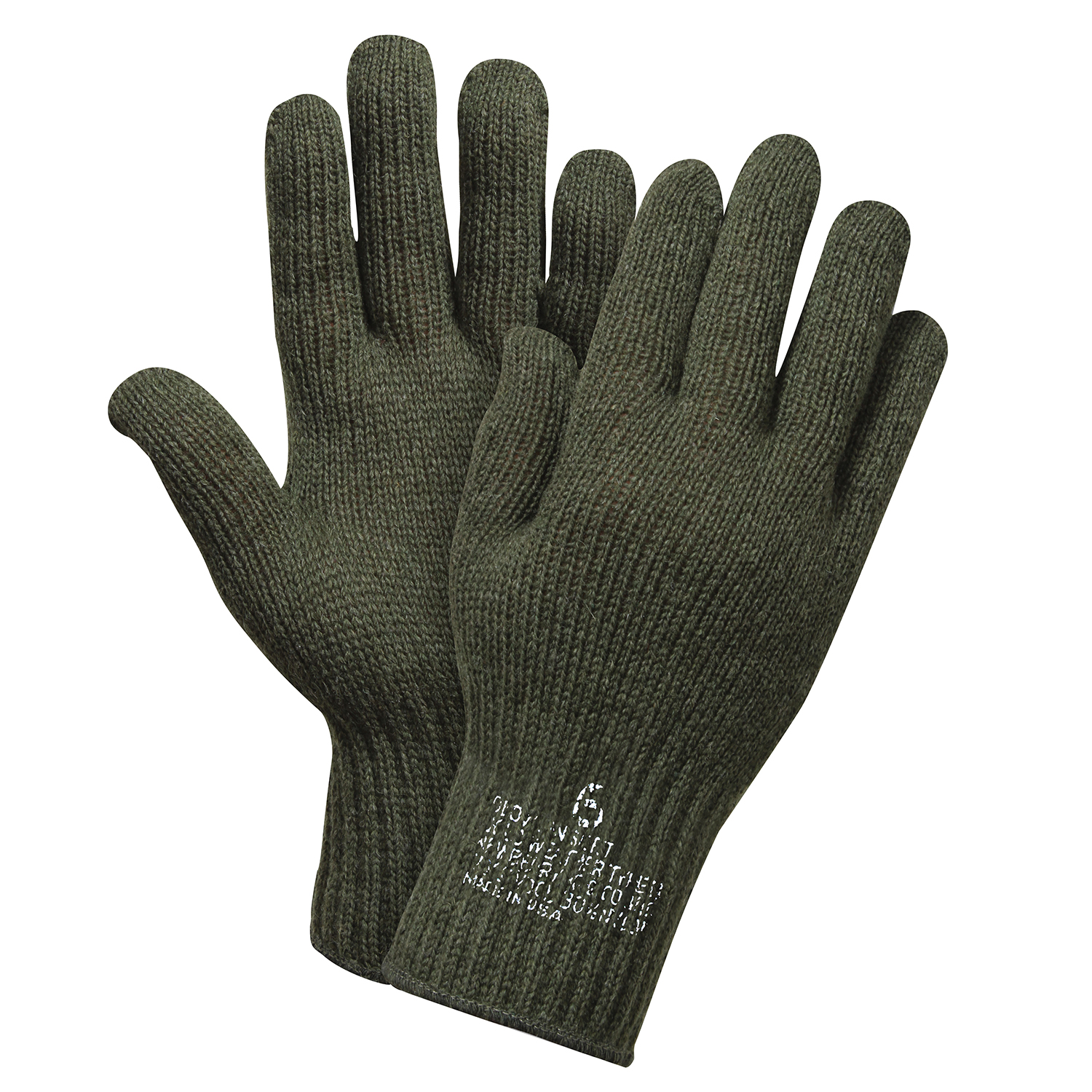
Cold hands impair fine motor skills before they impair anything else. Trigger finger manipulation, radio operation, writing, and equipment handling all degrade in cold hands faster than gross motor movement does. Rothco’s winter glove options balance insulation with functional dexterity. A glove-and-mitten combo system — a liner glove inside a mitten shell — lets you expose fingers briefly for tasks requiring dexterity without fully committing to bare hands in the cold.
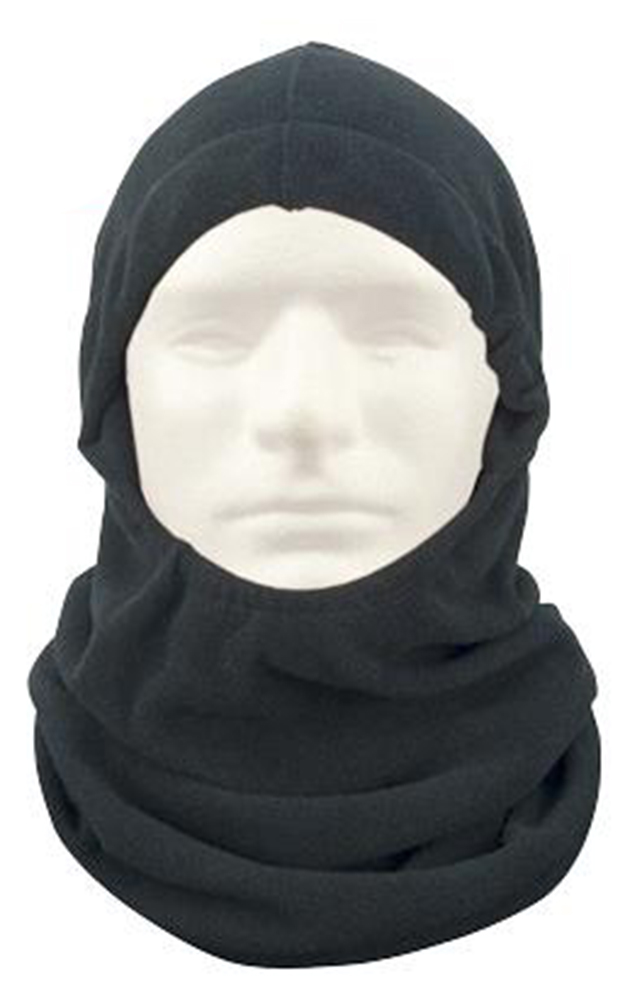
Balaclavas and neck gaiters cover the face, neck, and ears — the high heat-loss zones that a jacket hood alone doesn’t seal off. Rothco’s cold-weather headwear options include watch caps, balaclavas, and neck gaiter configurations that can be layered for progressively colder conditions.
Footwear
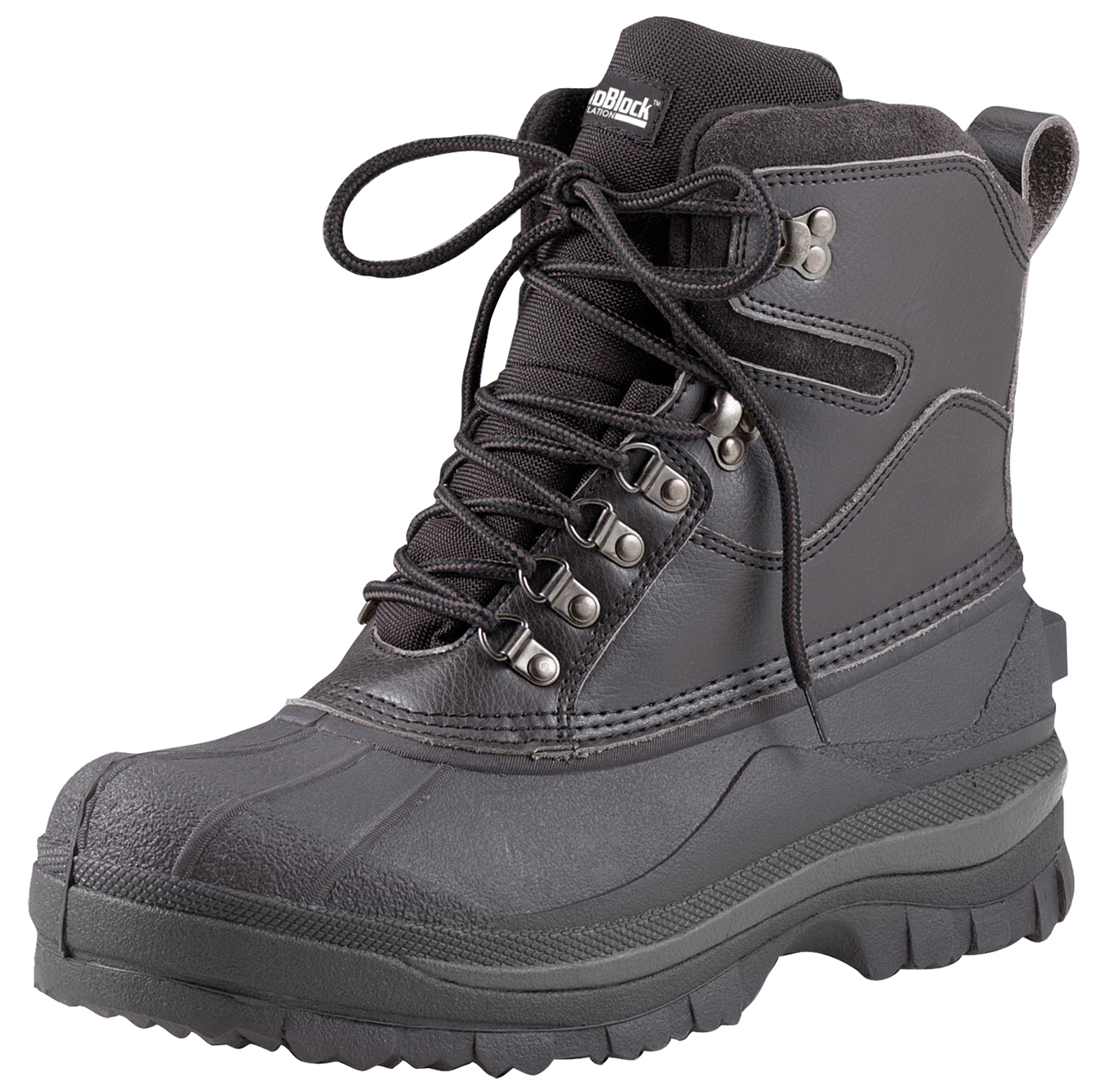
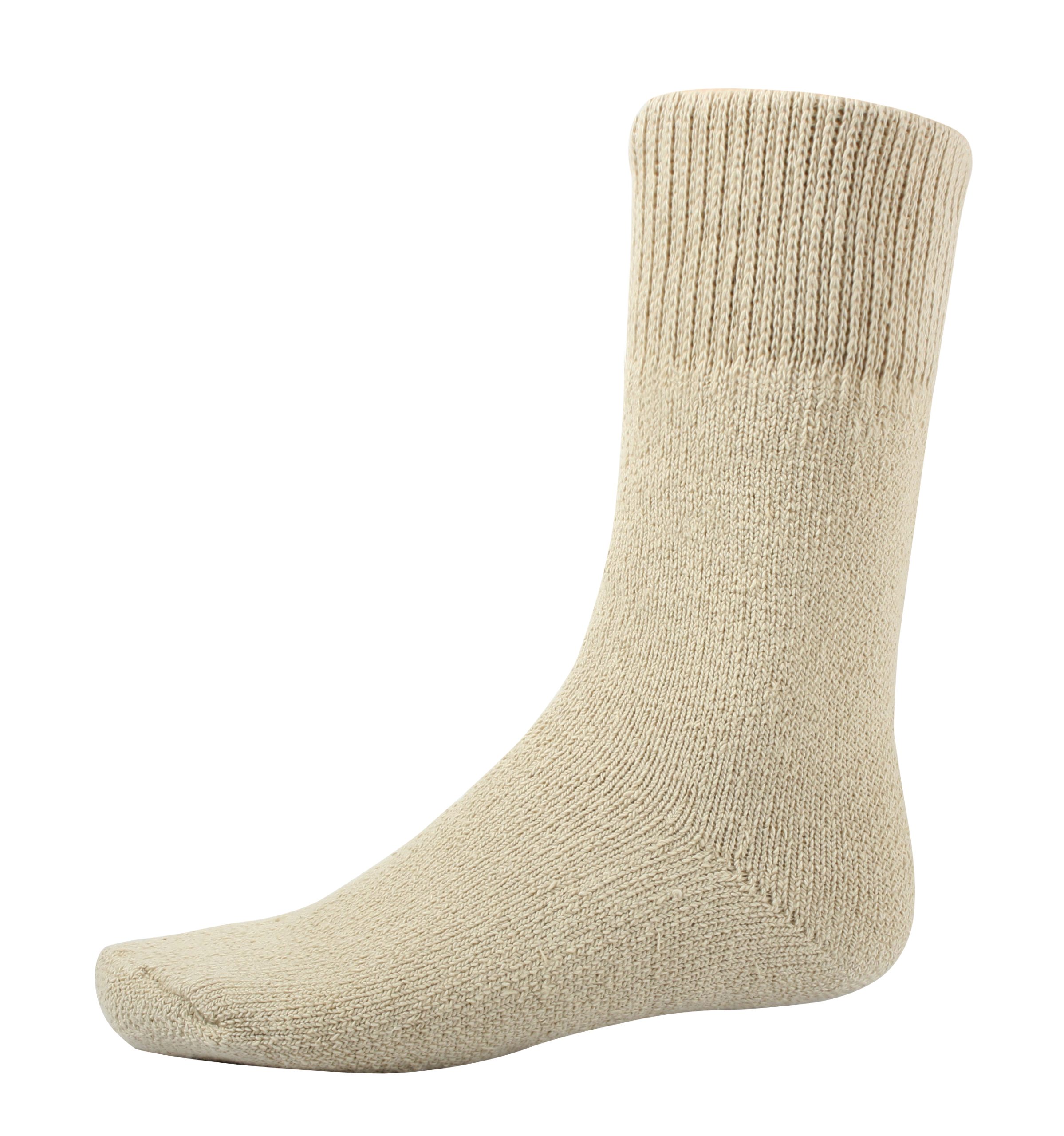
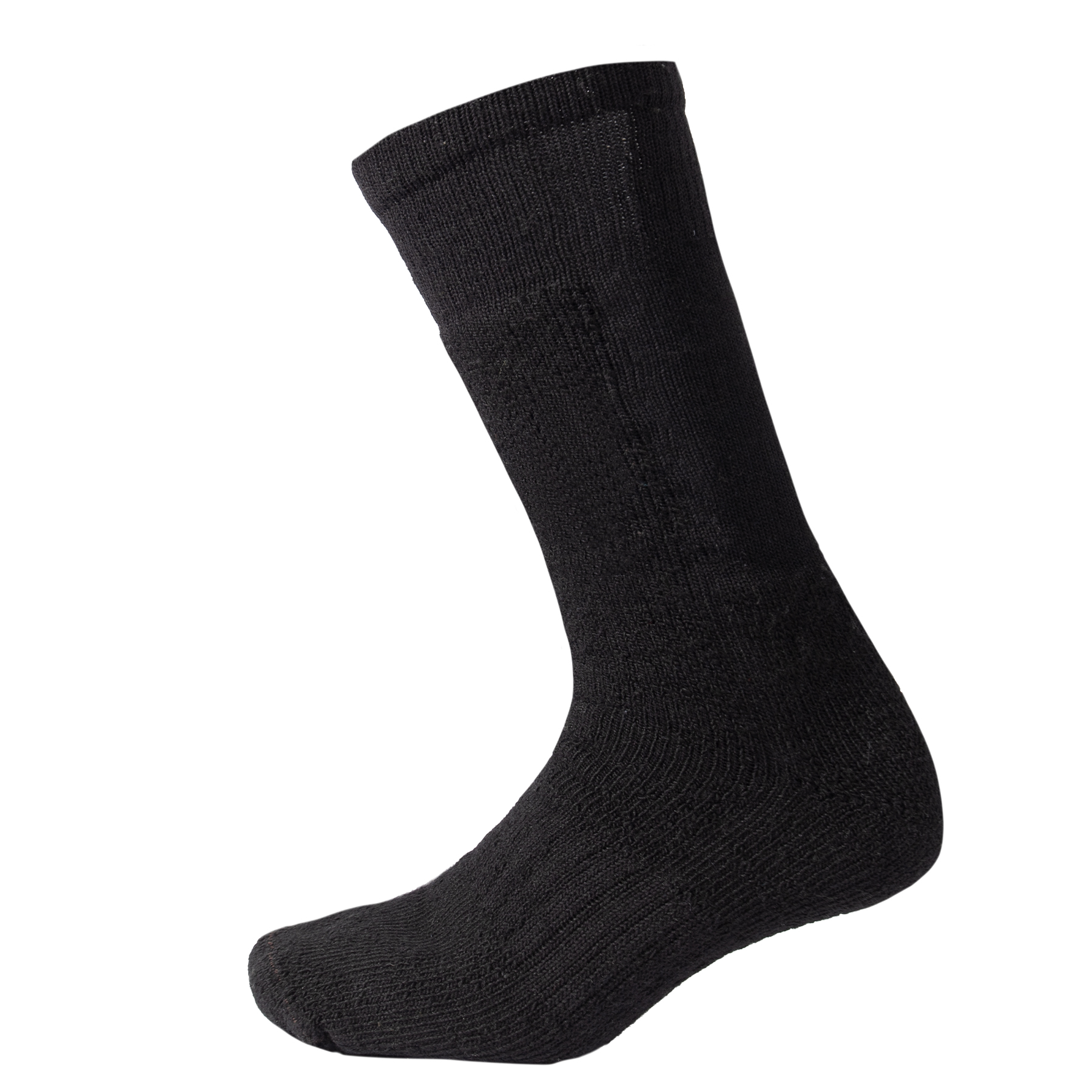
Cold-weather tactical boots incorporate insulation without the weight penalty of heavy industrial winter boots. Rothco’s insulated boot options provide the ankle support and traction needed for icy and snowy terrain. A wool-blend sock inside a well-insulated boot adds meaningful warmth with minimal added bulk. Wet feet end operations faster than almost any other equipment failure — waterproof boot options and gaiters that prevent snow intrusion at the boot-pant interface are worth the investment in serious winter conditions.
Frequently Asked Questions
How do I dress for variable exertion in winter?
Design your kit so you can make quick layer adjustments. If you’re sweating in your outer shell during active movement and then stopping to hold a static position, you need to be able to vent or remove a layer before your base layer gets saturated. Wet base layers in cold conditions are a fast path to hypothermia.
Are hand warmers a reliable heat source?
Hand warmers are a useful supplement, not a substitute for adequate glove insulation. Use them to pre-warm gloves or extend tolerance during a long static position, not as your primary cold hand solution. They run out, freeze in extreme cold, and create a dependency that leaves you without options when they fail.
What’s the minimum cold-weather kit for a 12-hour outdoor shift?
Insulated tactical boots with wool socks, a three-layer clothing system (synthetic base, fleece mid, windproof outer), a balaclava or watch cap plus neck gaiter, and insulated gloves with a liner. Below 20°F, add a mitten shell over the liner gloves and verify your outer layer is genuinely waterproof rather than just water-resistant.
Related guides: Cold Weather Field Gear · Hunting & Outdoors · Overlanding & Off-Road