Overlanding & Off-Road
Overlanding is vehicle-based travel in remote terrain, often for multiple days and far from reliable services. The gear requirements blend vehicle readiness, camping capability, and personal preparedness into a single kit. Everything in that kit needs to earn its space — dead weight on a remote trail is a liability, not a comfort. This guide covers the Rothco gear that belongs in an overland rig.
Rothco gear for overlanding and off-road adventures — durable clothing, bags, recovery essentials, camping gear, and field tools for vehicle-based expeditions.
Vehicle Storage and Organization
Organization inside a loaded overland vehicle is not a comfort preference — it’s a safety consideration. Knowing exactly where your recovery gear, first aid, food, and water are without tearing through the vehicle saves time and prevents dangerous digging in an emergency. Rothco’s military duffel bags and utility bags work well as dedicated storage containers for specific gear categories. Use one for recovery gear, one for a field kitchen setup, one for clothing. Label them, load them consistently, and build a routine around the loading pattern so you could locate anything in the dark.
Field Clothing
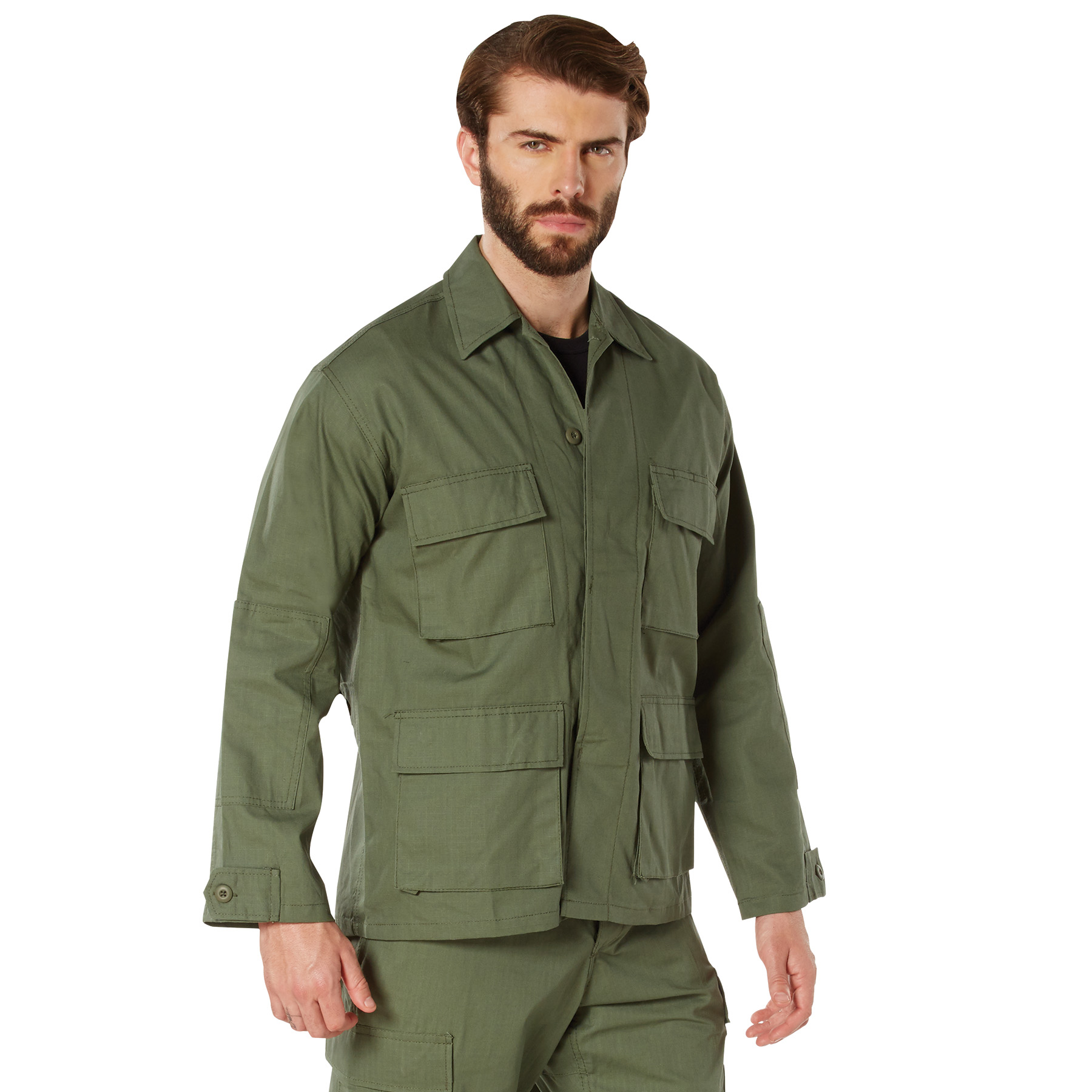
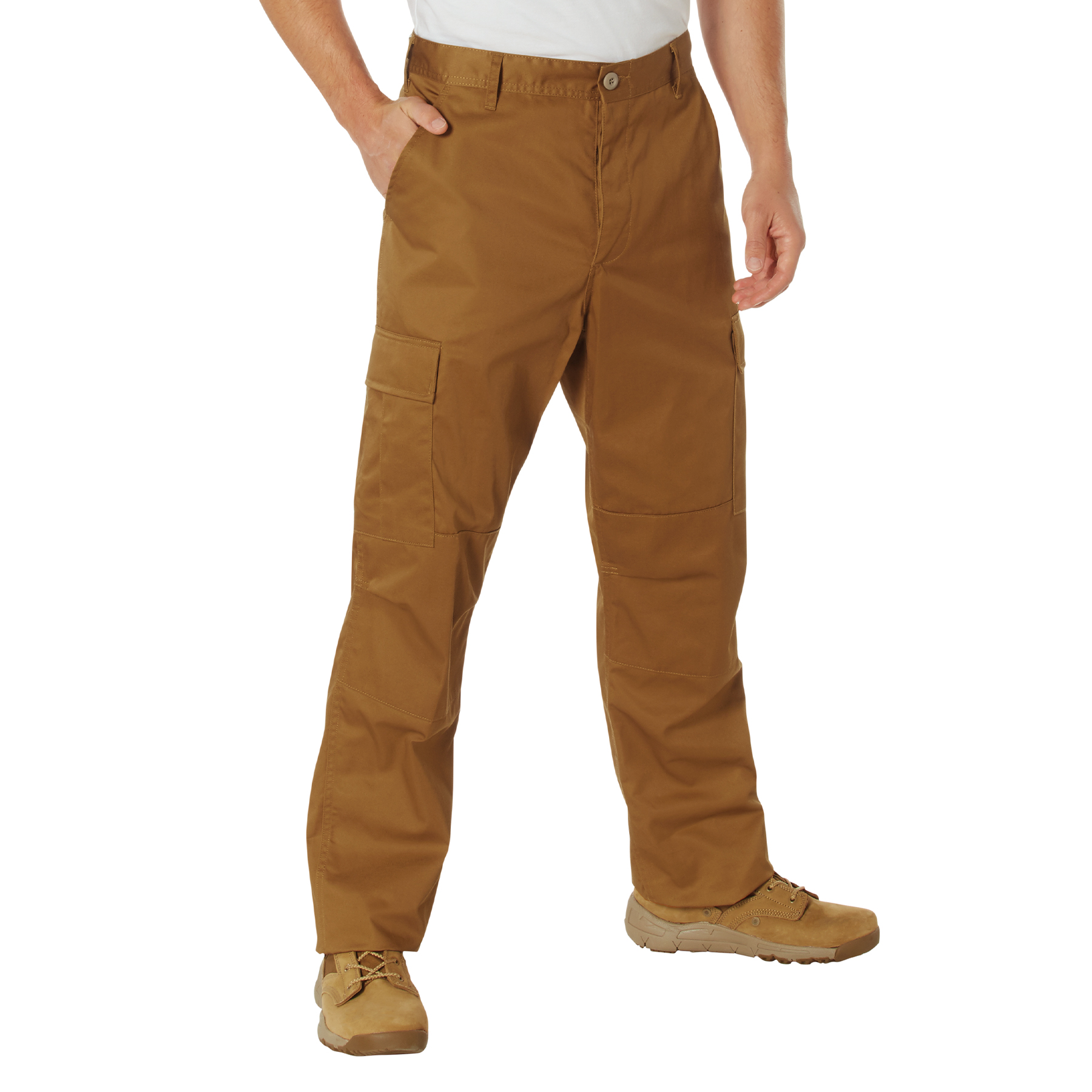
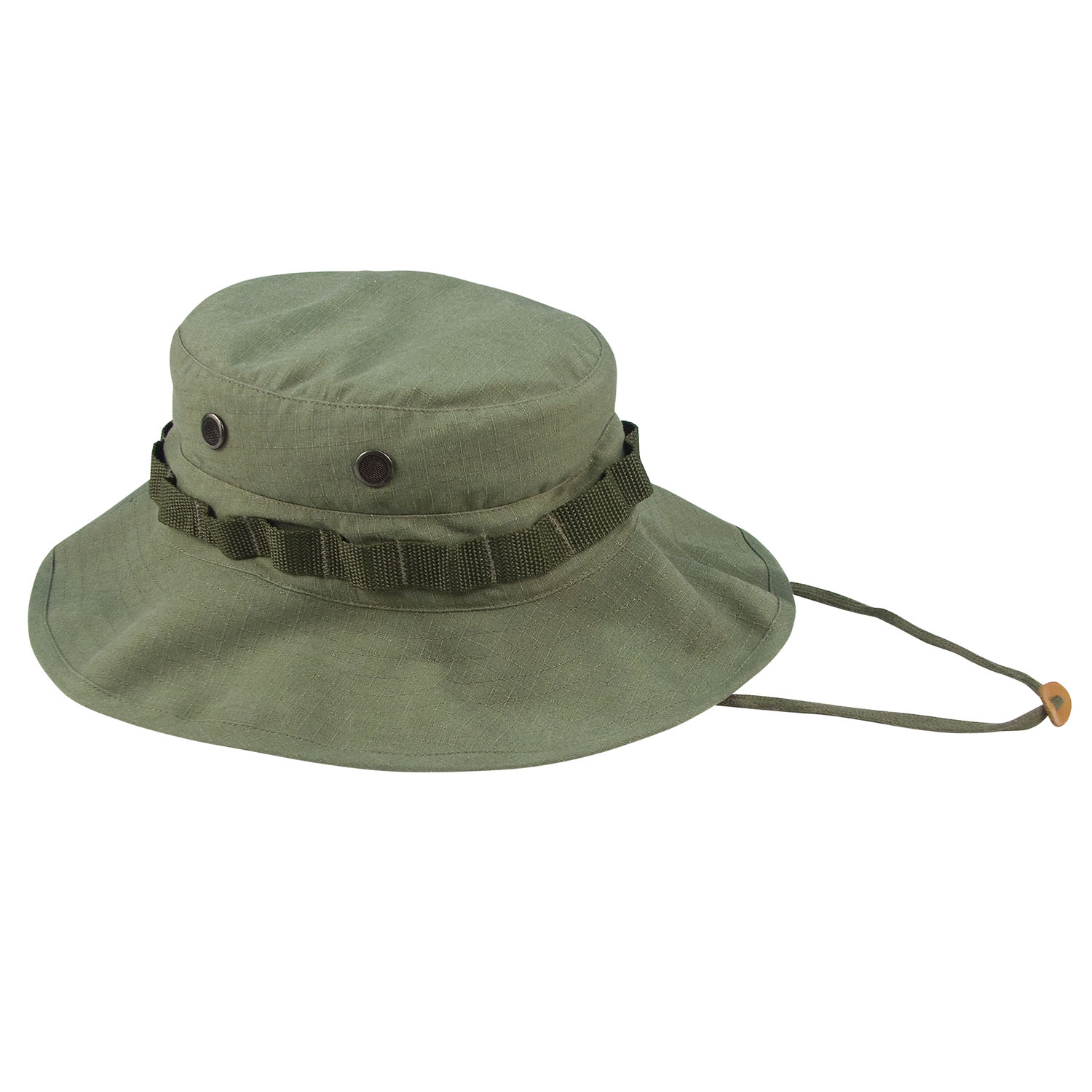
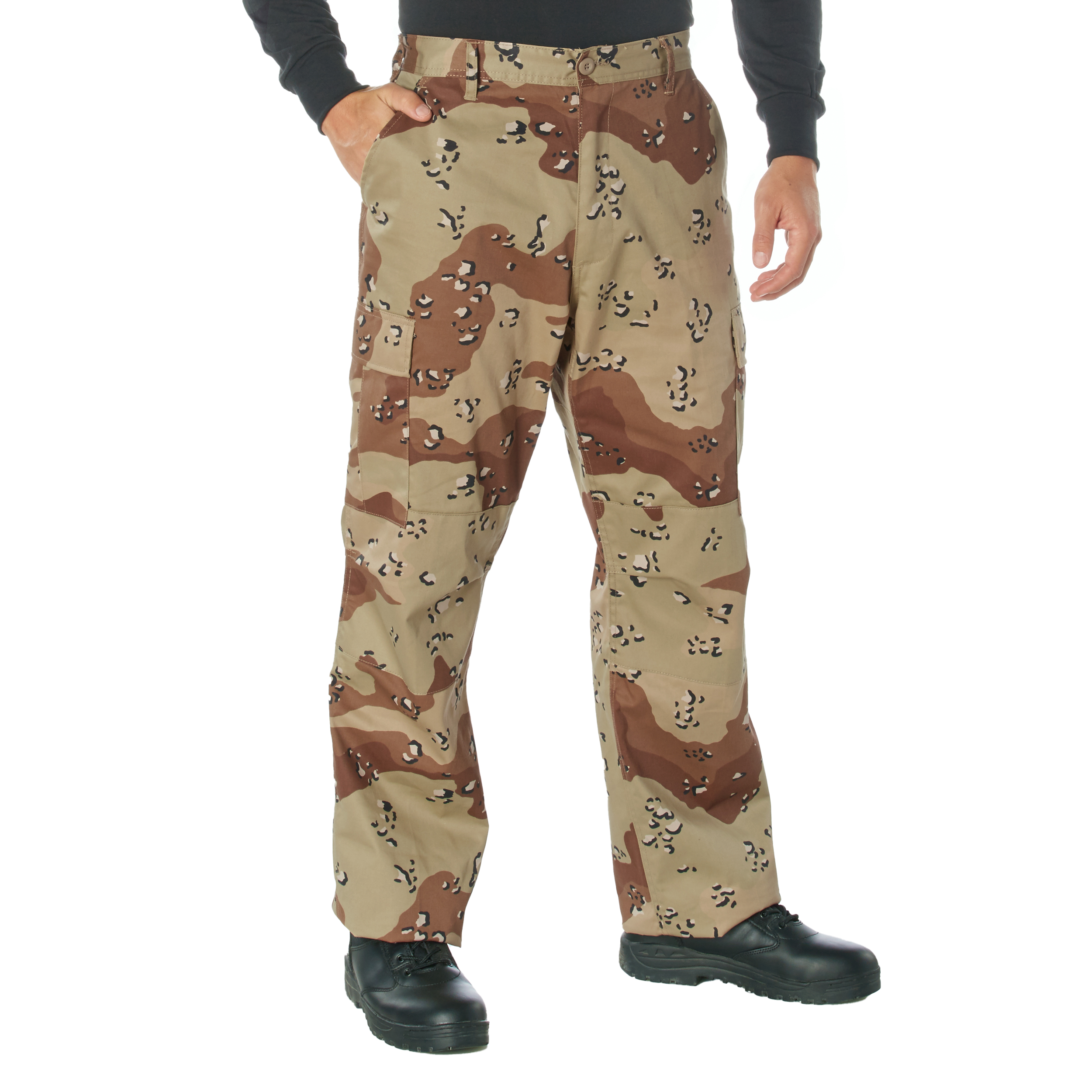
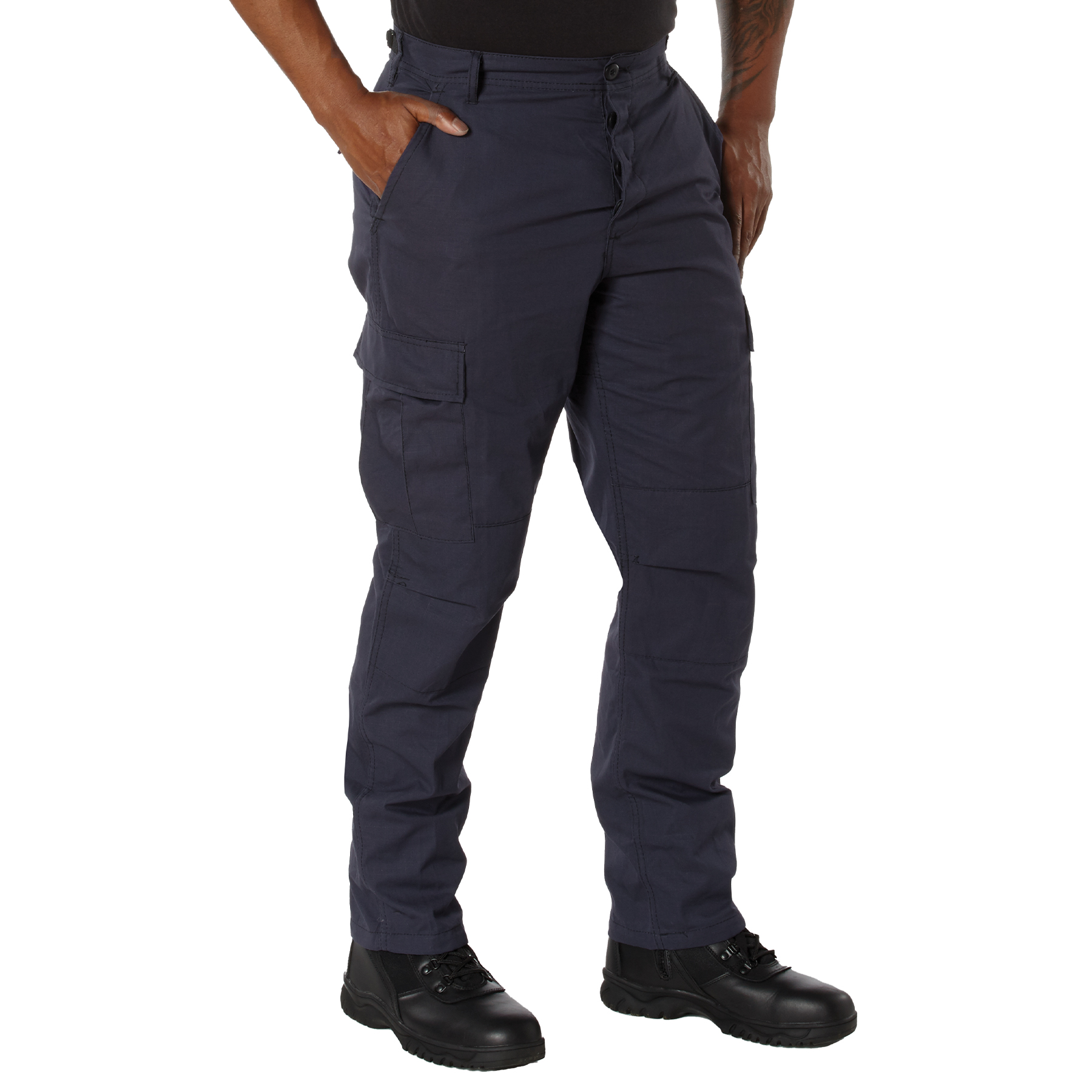
Overlanding typically covers multiple climate zones and significant temperature swings between day and night. A layering system works better than packing for a single expected condition. A lightweight Rothco BDU base for active daytime use, a Rothco fleece mid-layer for evenings, and a packable windproof outer shell for wet or cold conditions covers most overlanding scenarios without requiring a dedicated wardrobe for each climate zone. Rothco’s boonie hat handles sun and light rain without the bulk of a full rain layer.
Survival and Safety Gear
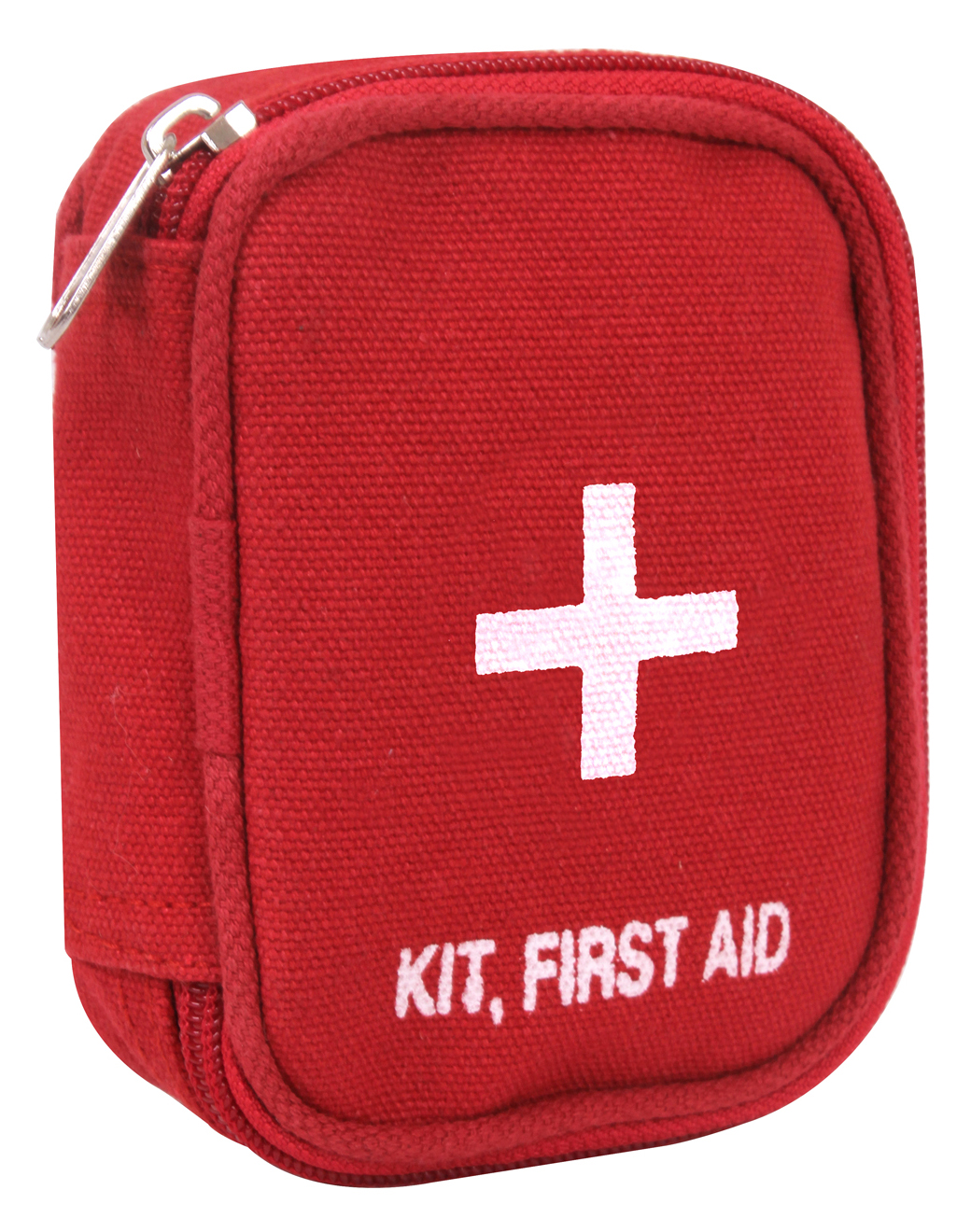
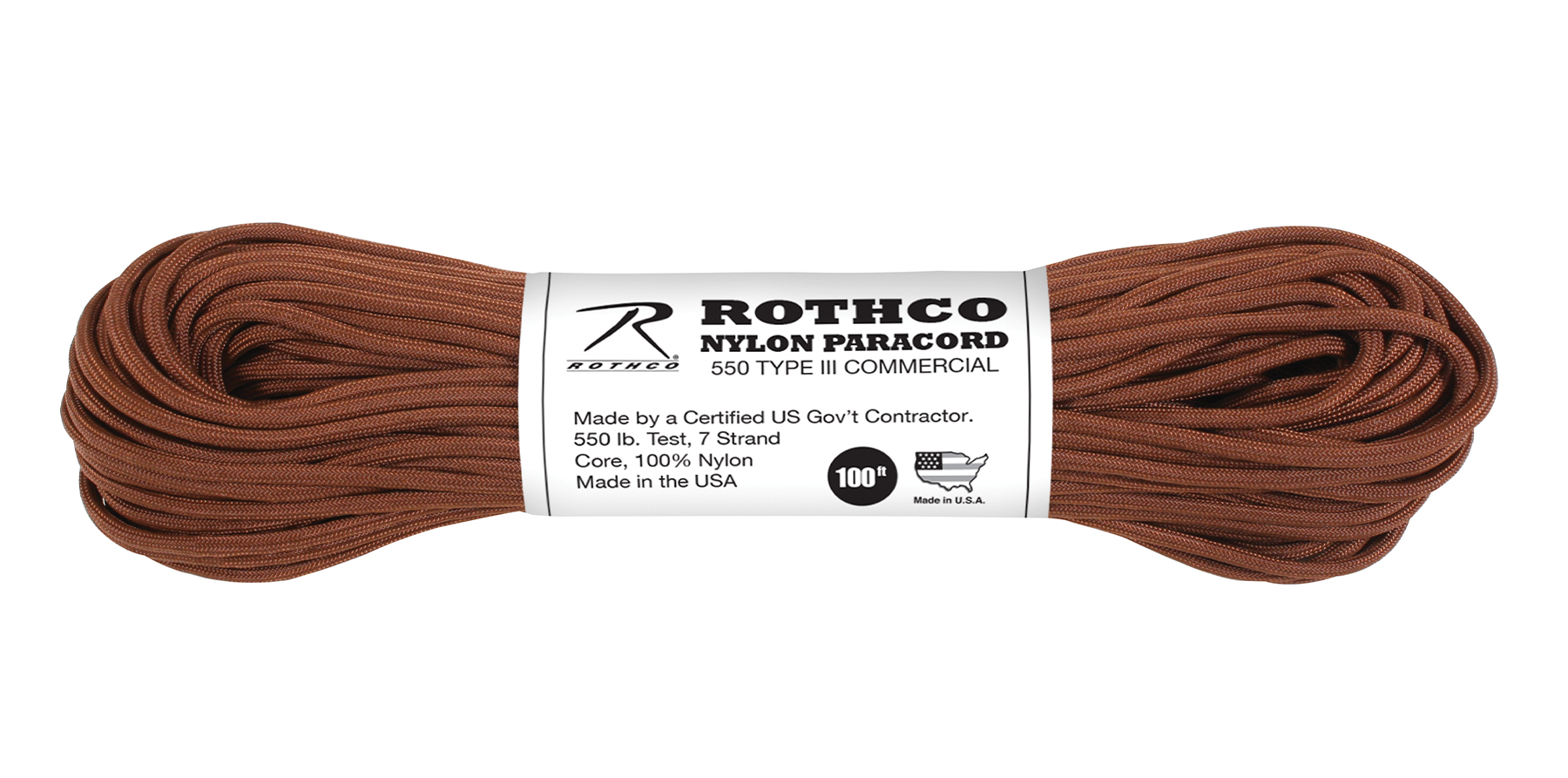
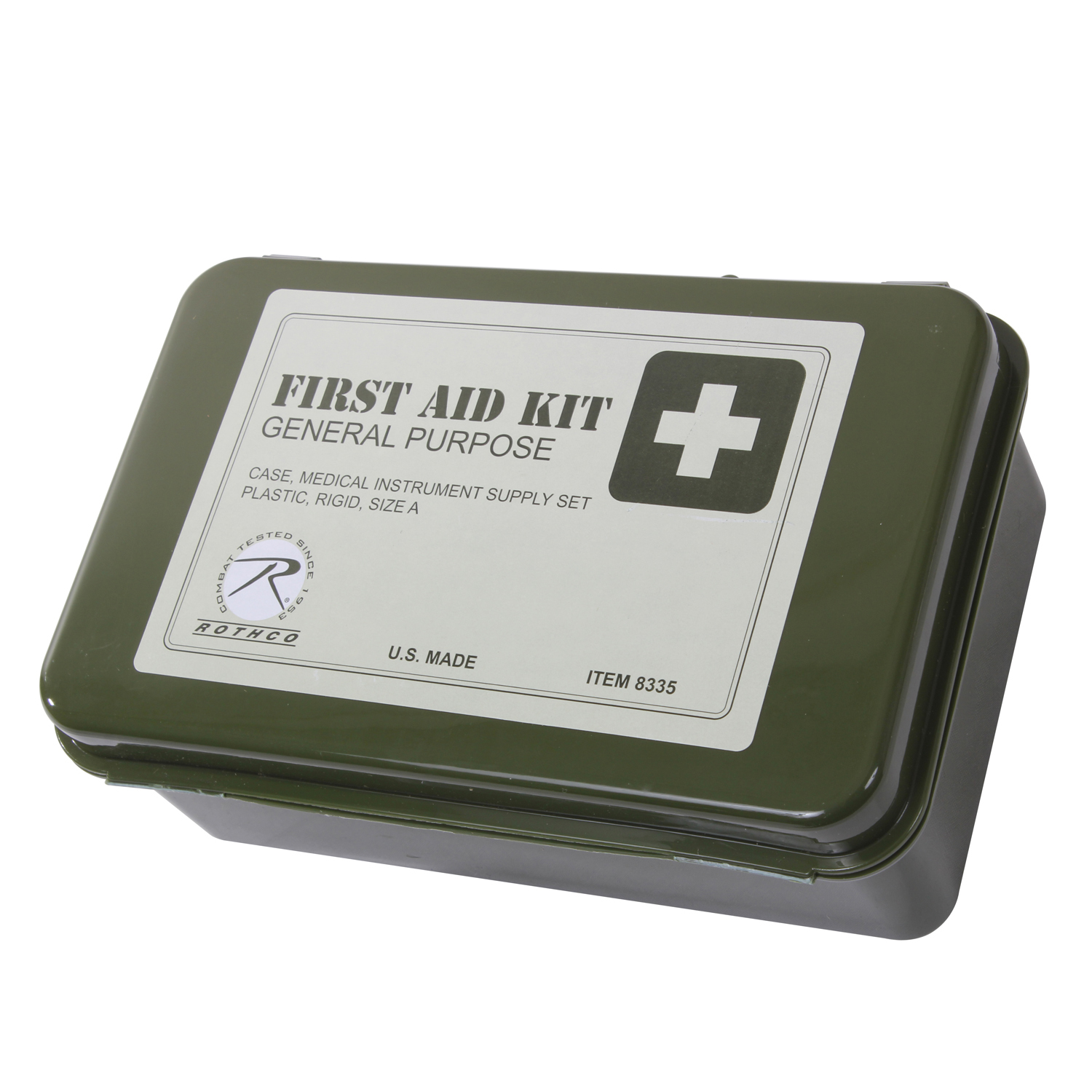
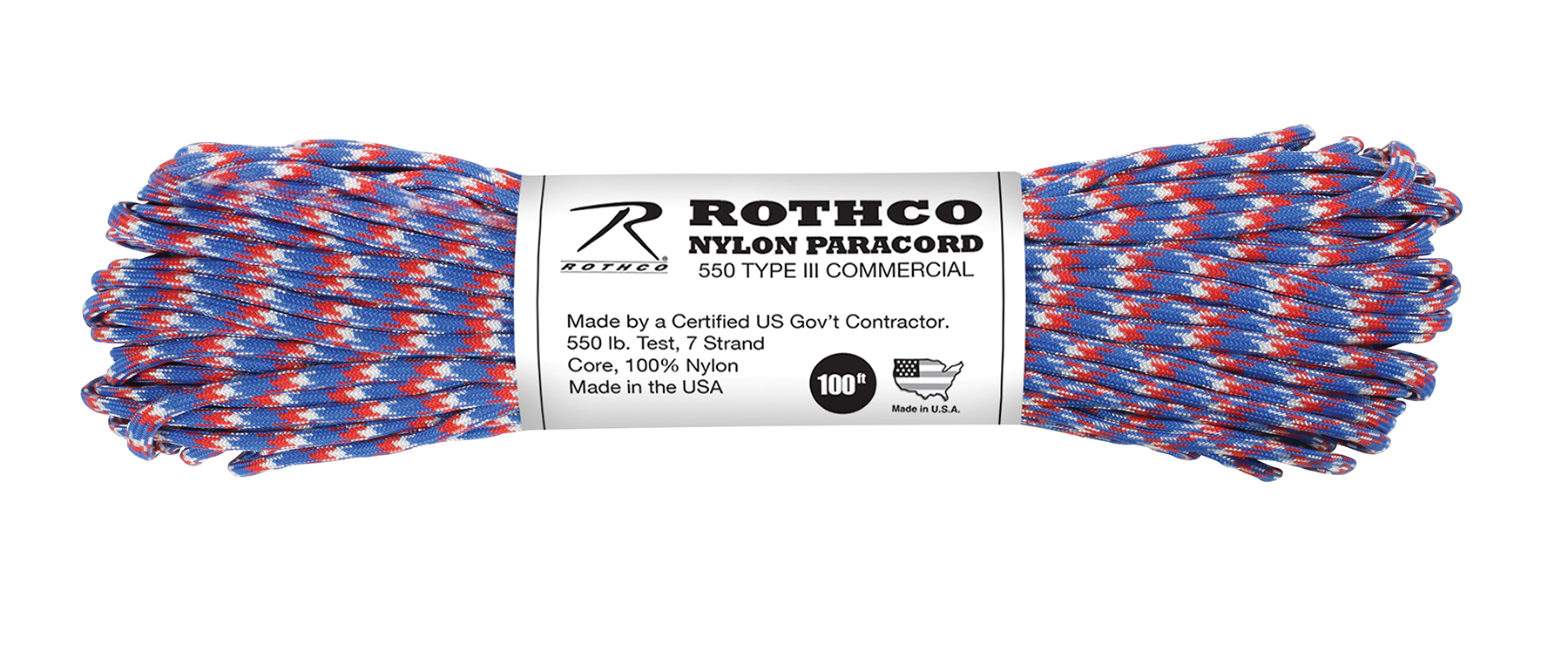
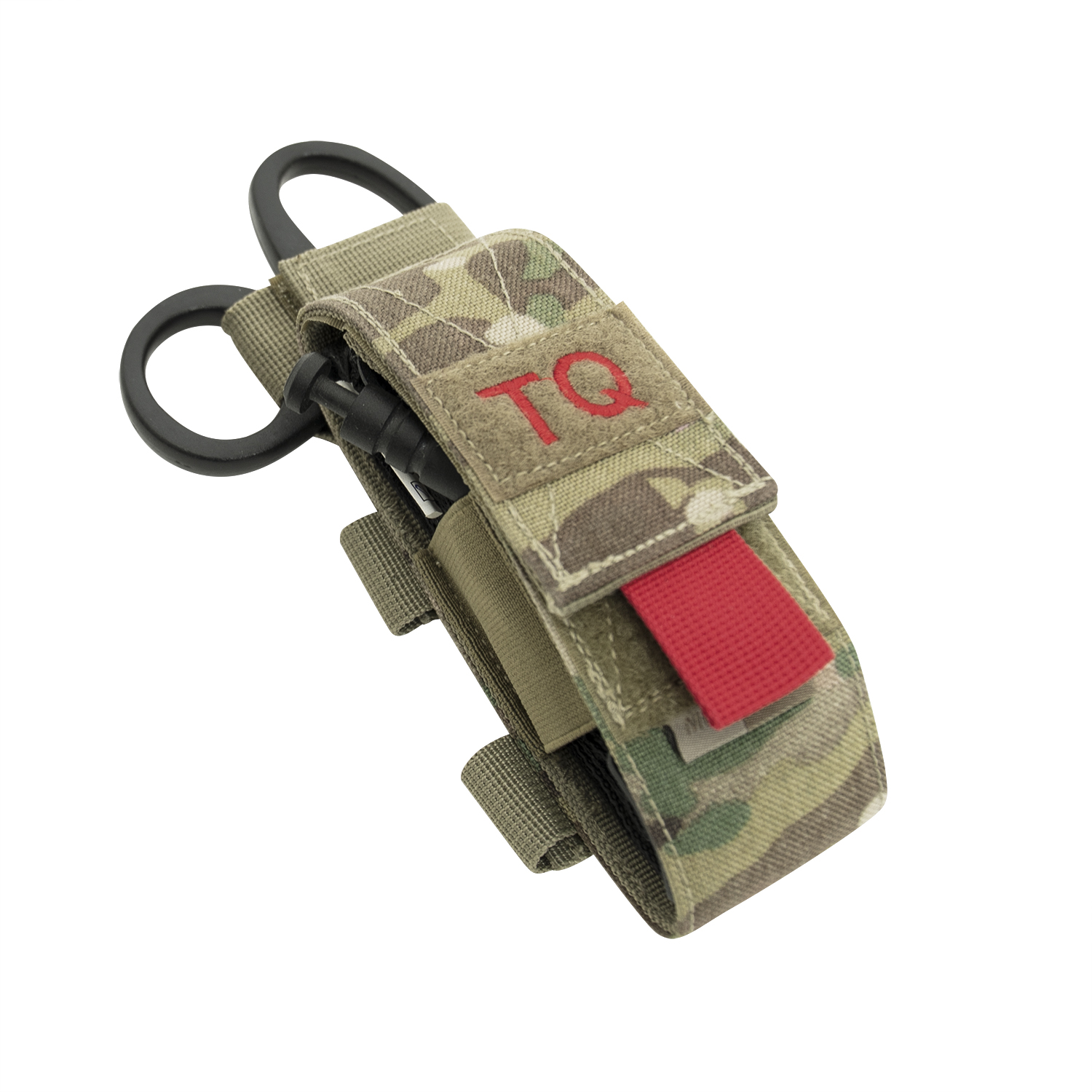
Distance from help is the defining characteristic of overlanding. Your safety kit has to cover scenarios that would be inconveniences at home and become serious problems in remote terrain. A Rothco first aid kit forms the base — add a tourniquet and wound packing gauze to handle more serious injury scenarios. Paracord handles more roadside and campsite situations than almost any other single item: securing loose cargo, rigging a tarp for shade or rain shelter, and assisting in light recovery situations. Carry at least 100 feet of Rothco 550 paracord.
Light and Navigation
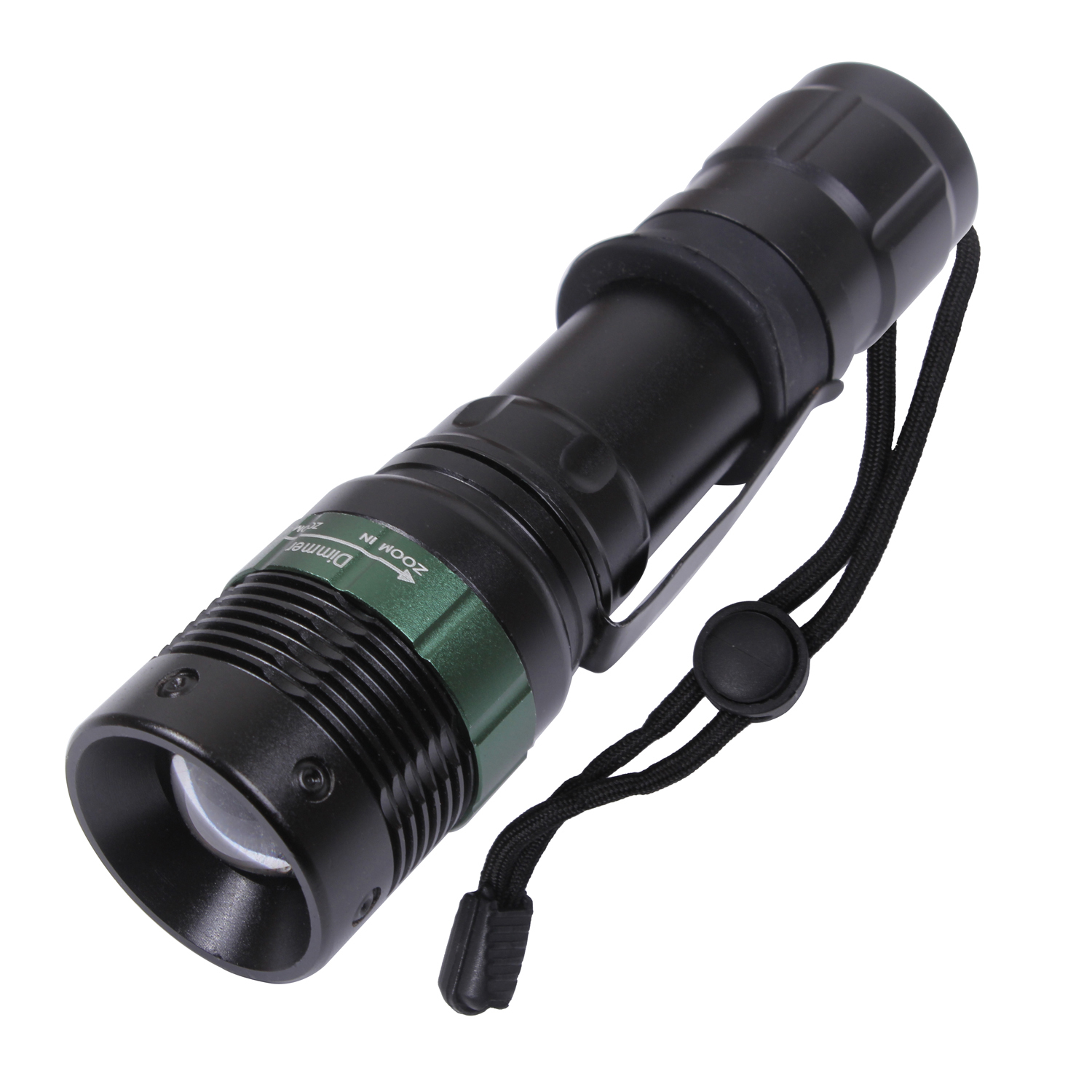
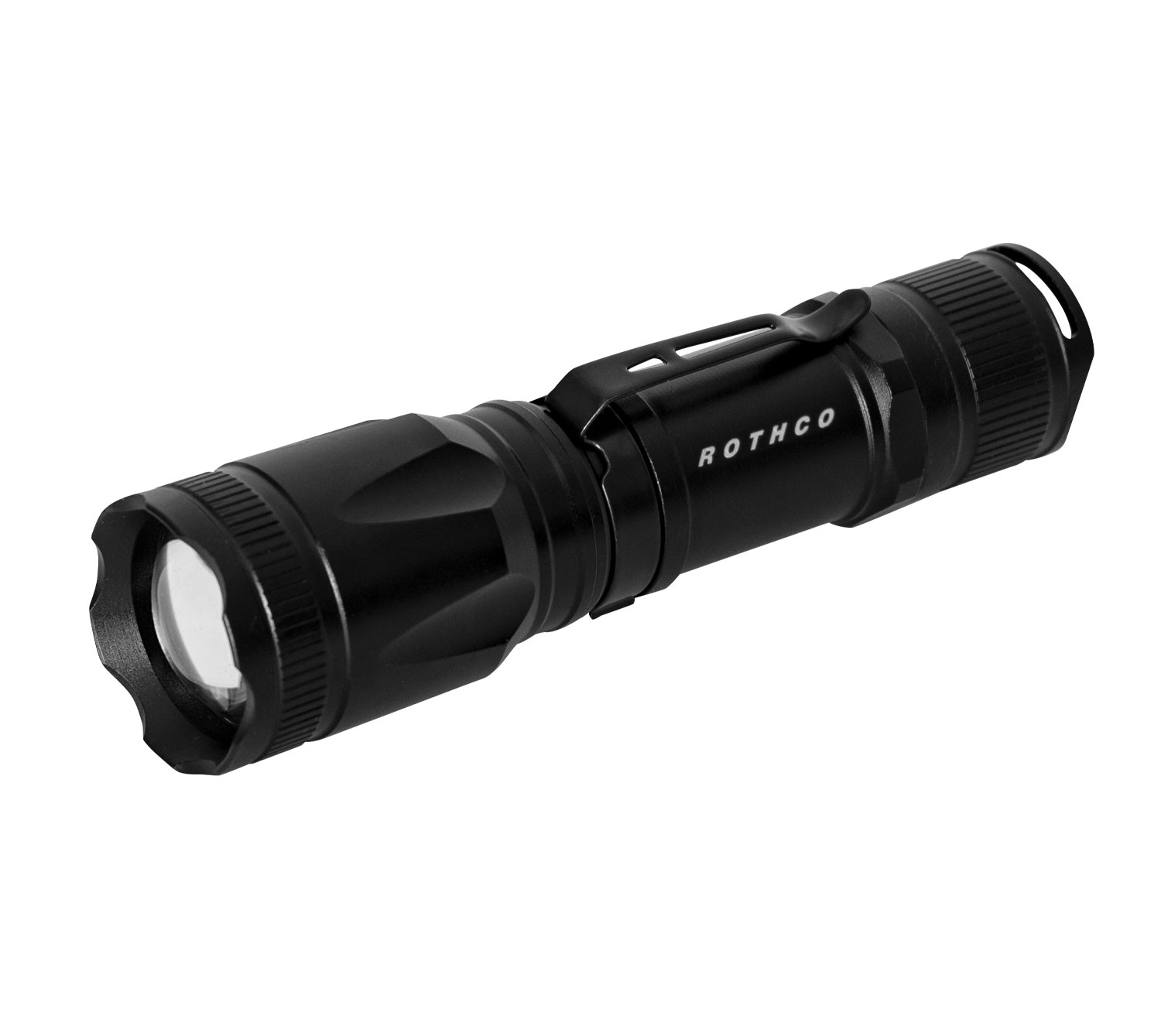
Pre-dawn departures and after-dark camp setup are standard in overlanding. A headlamp keeps hands free during rigging and cooking; a Rothco tactical flashlight handles focused work and vehicle inspection. For navigation, carry a paper map of the region as backup to any digital navigation — GPS devices and phones lose signal, run out of battery, and fail in ways that paper doesn’t.
Frequently Asked Questions
What’s the most common overlanding gear mistake?
Over-packing clothing and comfort items while under-packing recovery and safety gear. Your vehicle can carry a lot, but everything in it competes with your recovery capability and ground clearance. Prioritize recovery (traction boards, tow straps), then safety (first aid, fire suppression), then comfort. Rothco’s gear handles the safety and comfort tiers efficiently without unnecessary weight.
Do I need a dedicated overlanding bag or will any duffel work?
Any well-constructed duffel works. Rothco’s military-spec duffels have the durability advantage of being designed for rough handling and field conditions — the fabric and hardware hold up to being thrown in and out of a truck bed repeatedly without developing the failures that cheaper duffels show quickly.
How do I keep my overland kit from becoming a junk drawer?
Assign every item a container and every container a dedicated space. Review the kit before every trip, not after. Remove anything that hasn’t been used in two trips — it’s weight you’re carrying for no reason.
Related guides: Vehicle Emergency Kit · Camping & Survival Essentials · Bug-Out Bag Guide