Prepper Essentials
Practical preparedness isn’t about worst-case survivalism — it’s about covering the scenarios that actually happen: extended power outages, severe weather, supply chain disruptions, or having to leave home quickly. Most of those situations are solved by the same core kit. This guide covers building that kit from Rothco gear, focused on the items that solve real problems rather than the ones that look good on a shelf.
Core prepper gear from Rothco — bags, survival tools, water and food storage accessories, first aid, shelter essentials, and multi-scenario readiness gear.
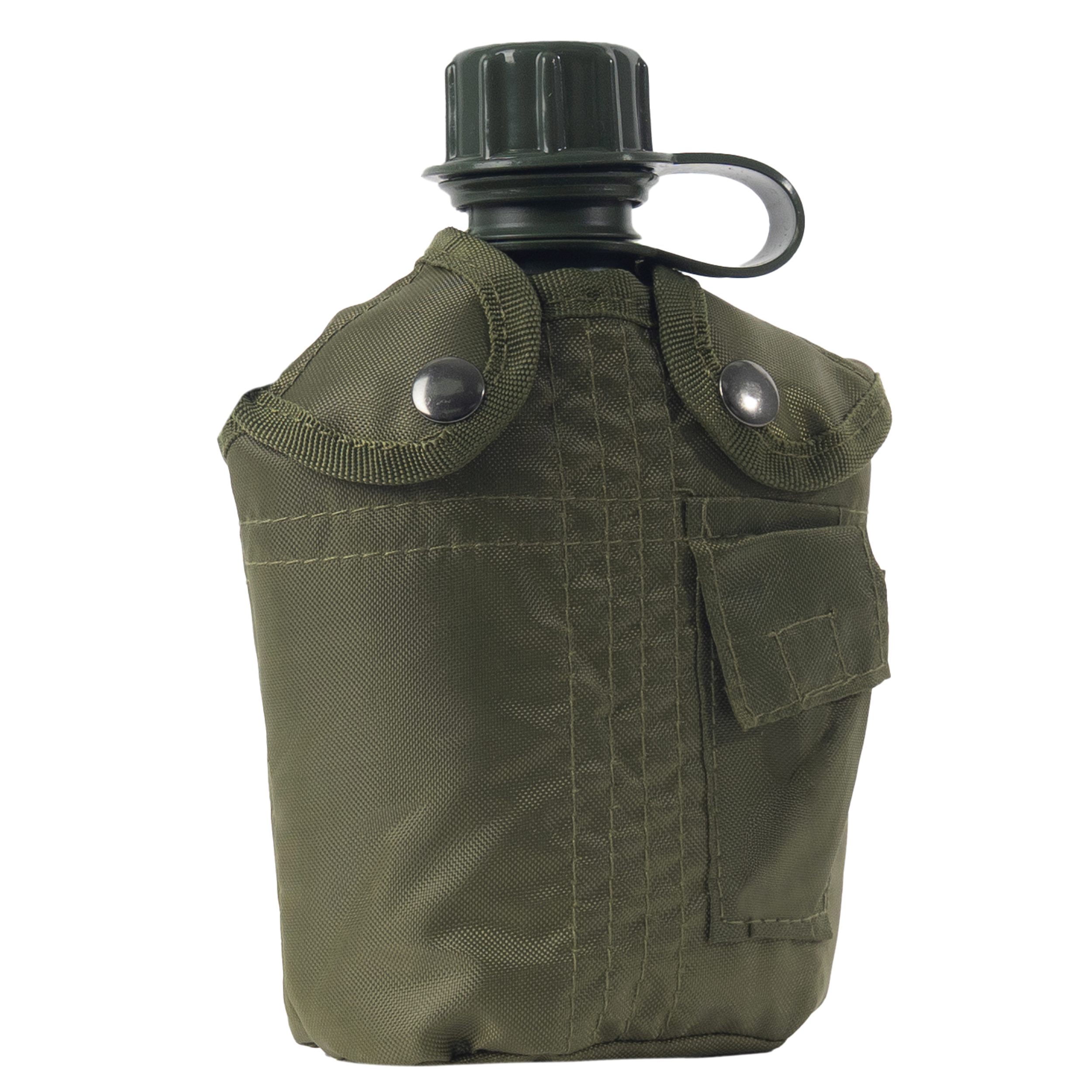
Water and Storage
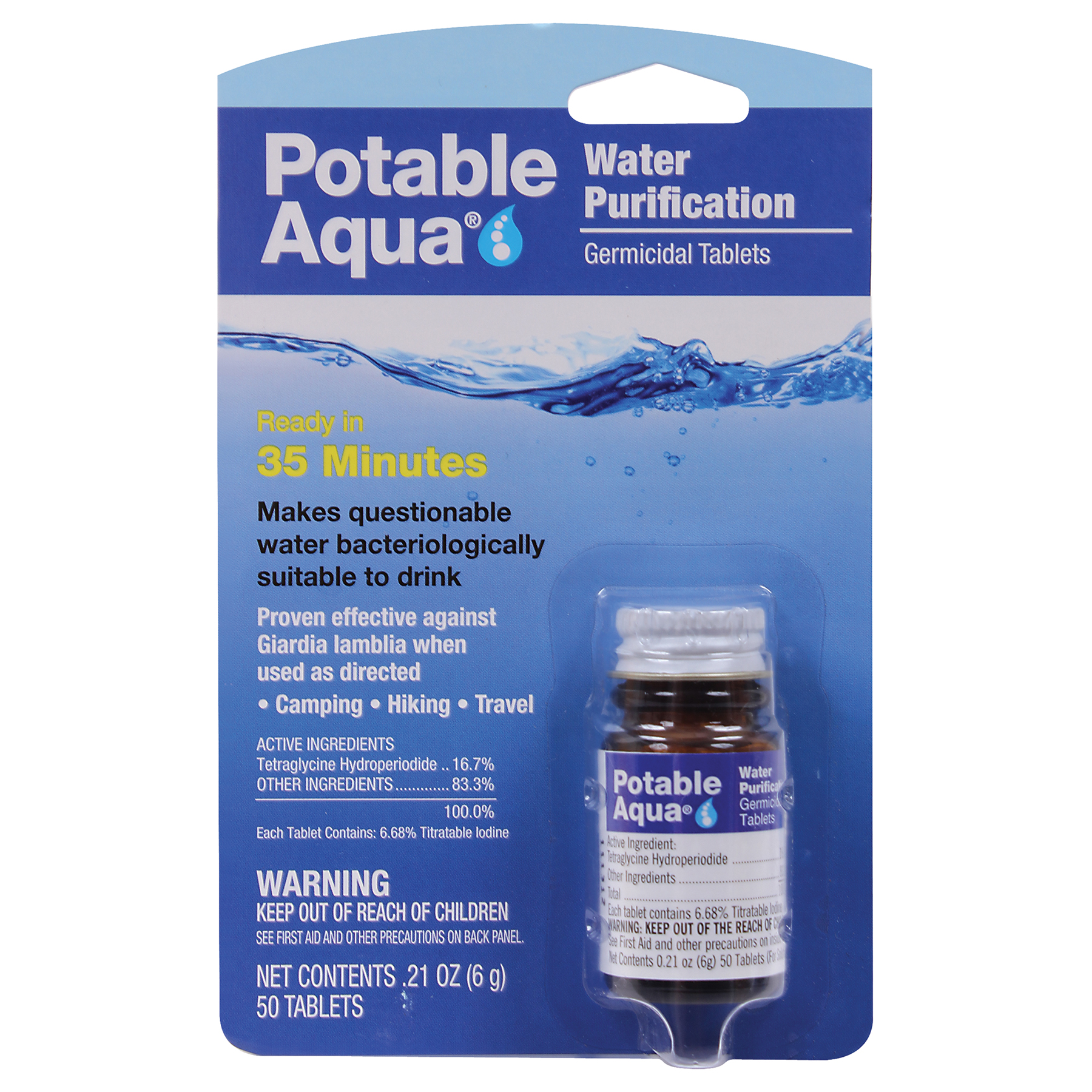
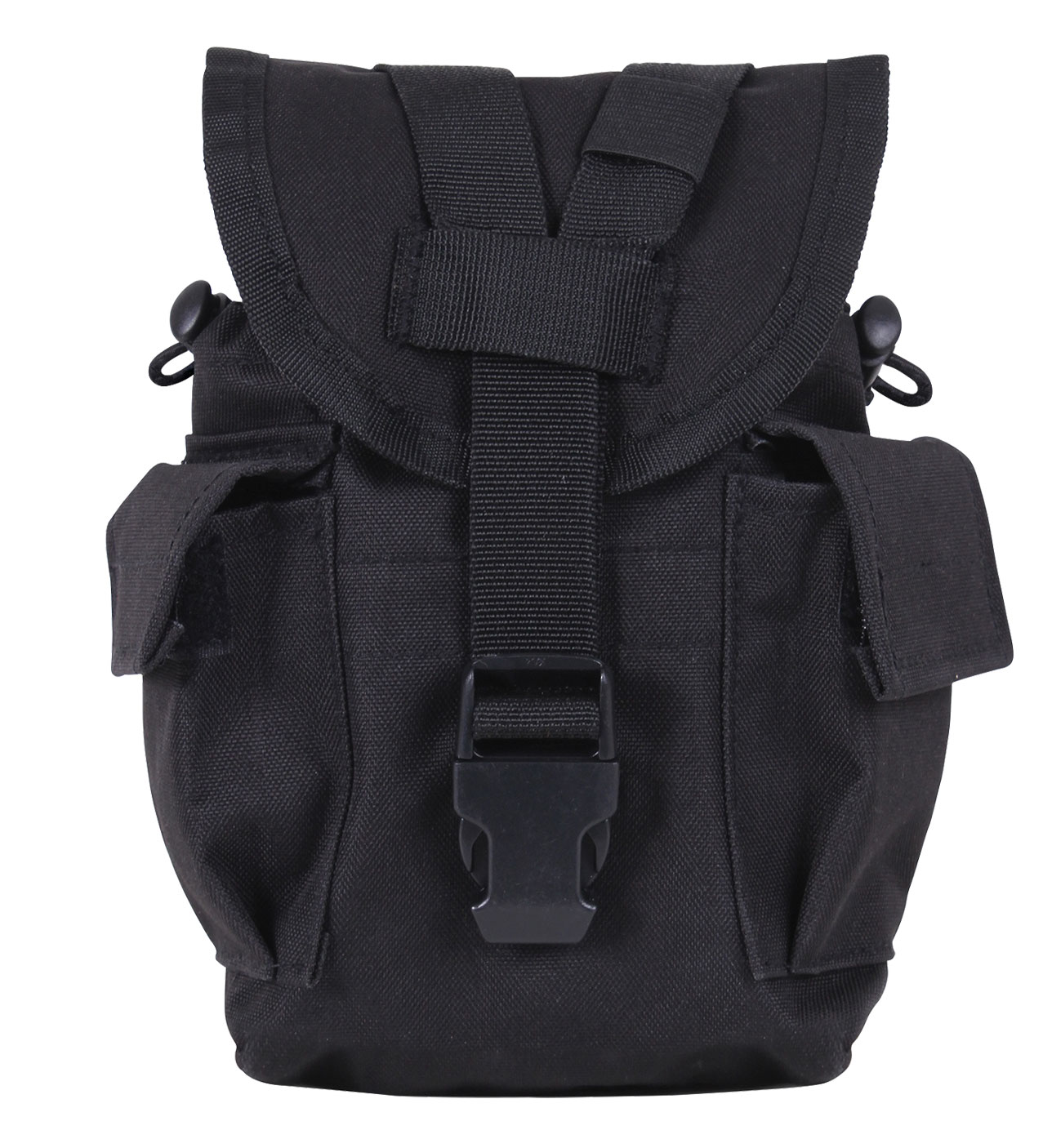
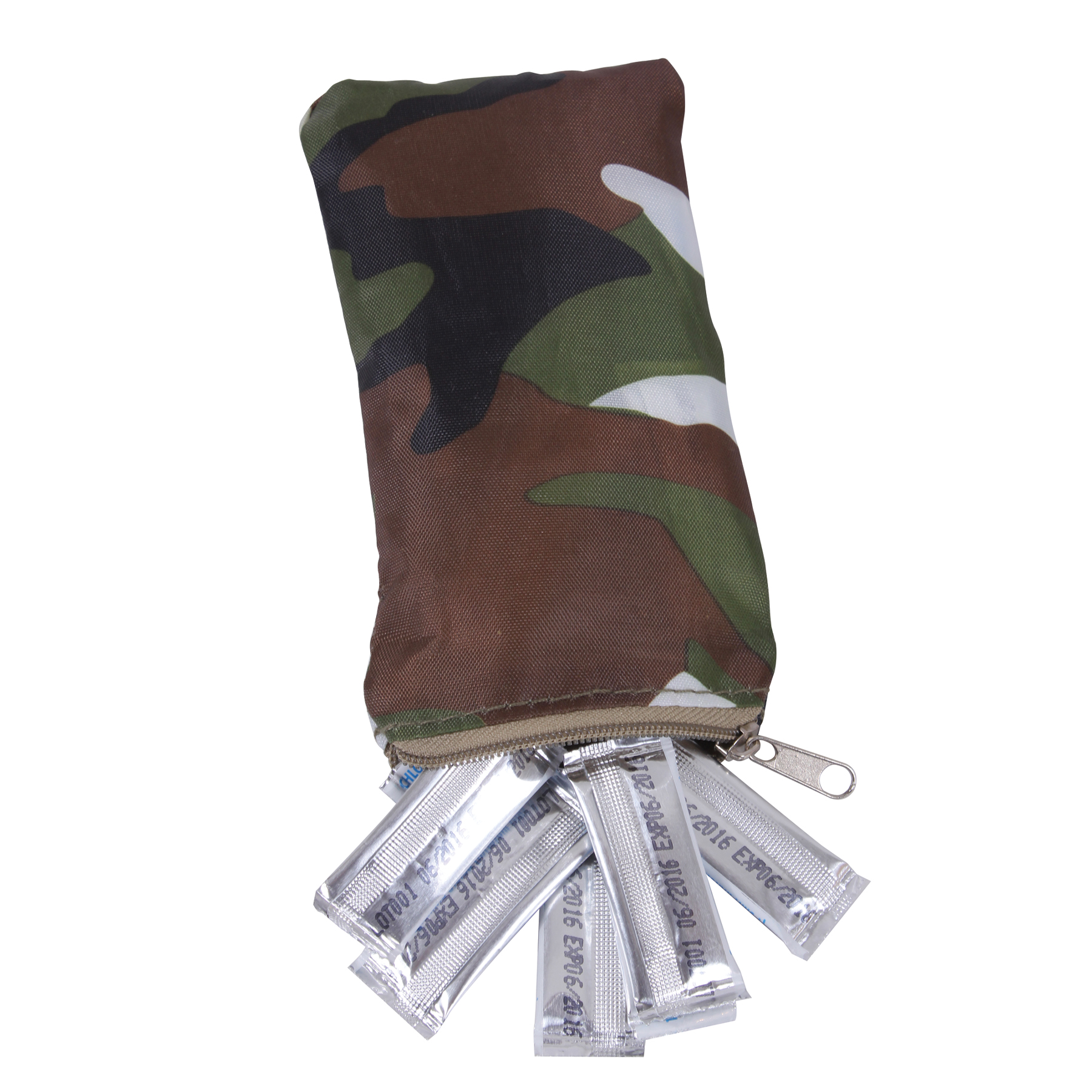
Water is the highest-priority item in any preparedness kit. The human body fails within three days without it, and water is heavy enough that you can’t carry an unlimited supply. Rothco military canteens and water storage accessories give you durable, packable water storage capacity. Add water purification tablets to every kit — they weigh almost nothing and turn any water source into potable water when your stored supply runs out. For household shelter-in-place preparation, fill bathtubs and large containers before an anticipated disruption.
Shelter and Warmth
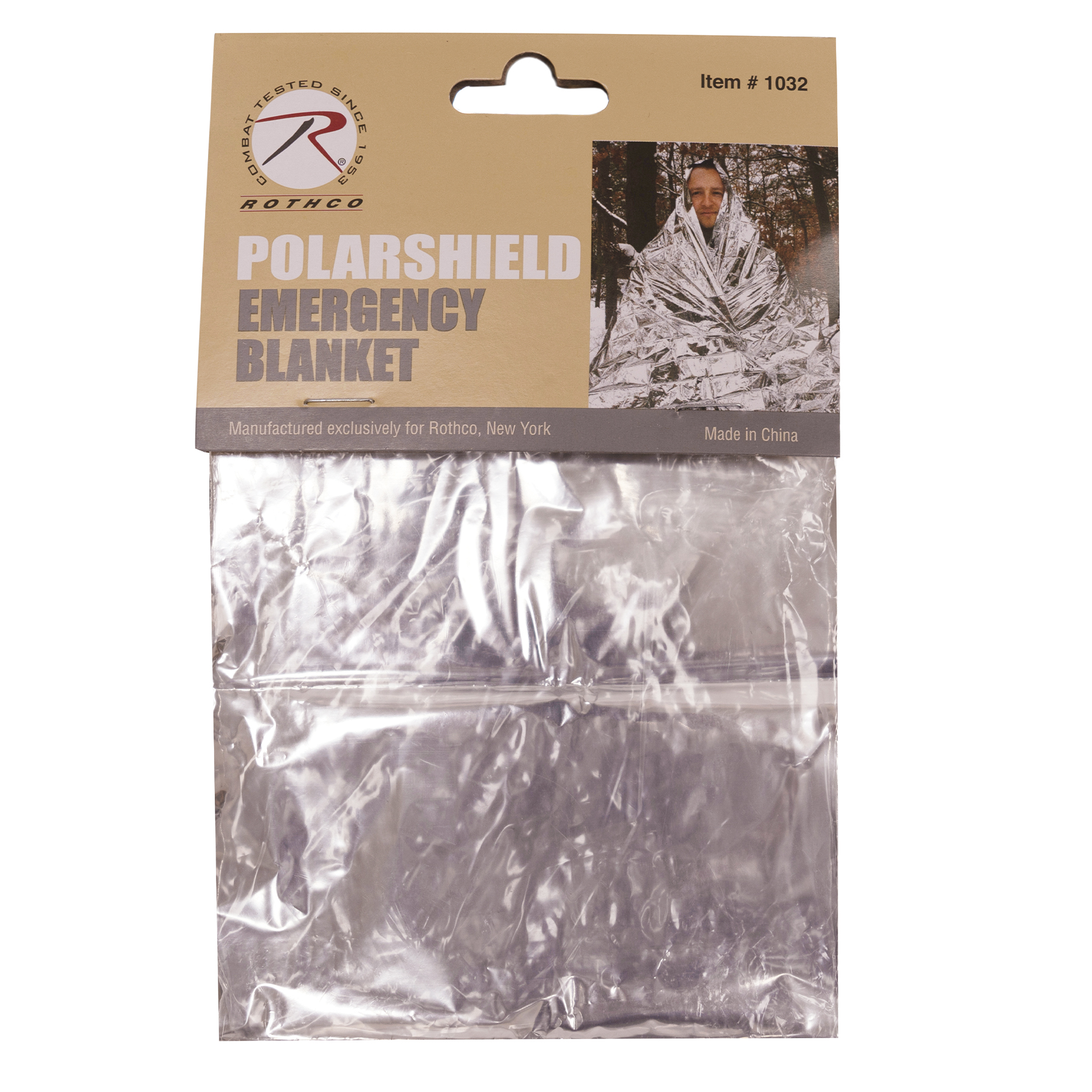
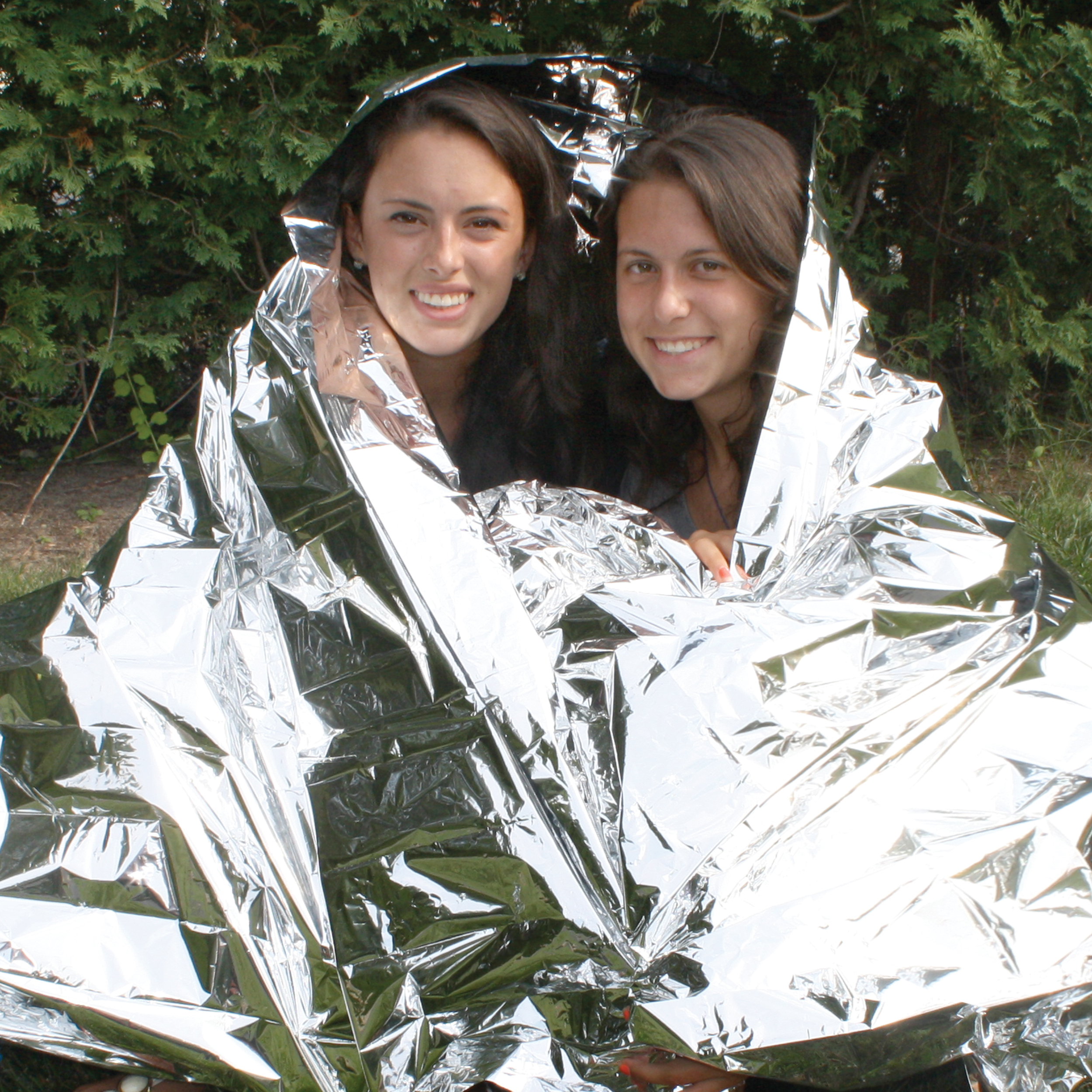
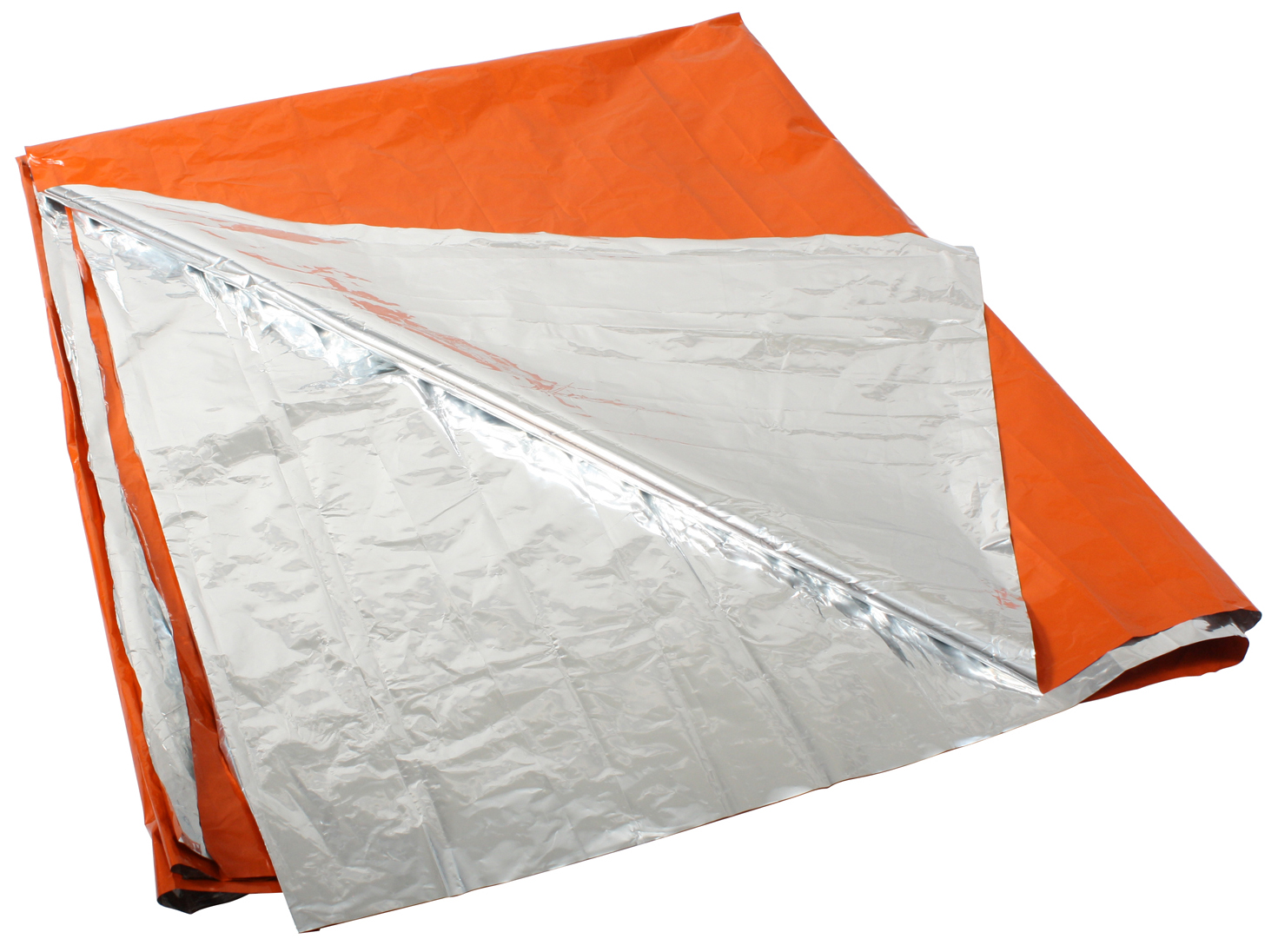
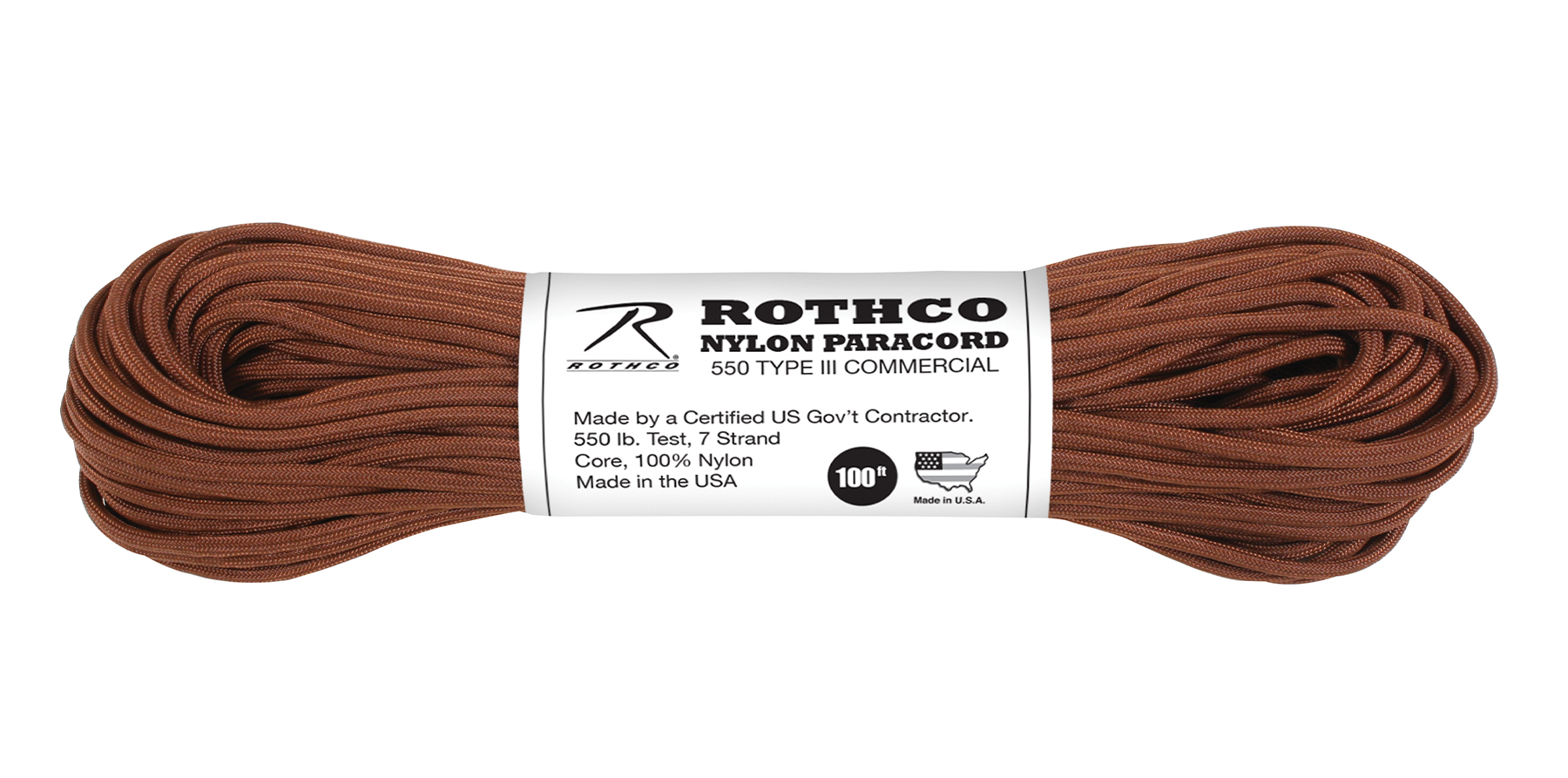
Power loss plus cold is a serious threat across most of the US. Rothco’s military ponchos double as emergency tarps and rain gear. Emergency Mylar blankets provide heat retention when you can’t heat your space. Paracord handles shelter rigging across a dozen field scenarios — hang a tarp, create a windbreak, rig a clothesline for wet gear. For a longer-term shelter-in-place scenario, a quality sleeping bag and a Rothco sleeping bag cover extend your thermal options significantly beyond blankets alone.
Light and Communication
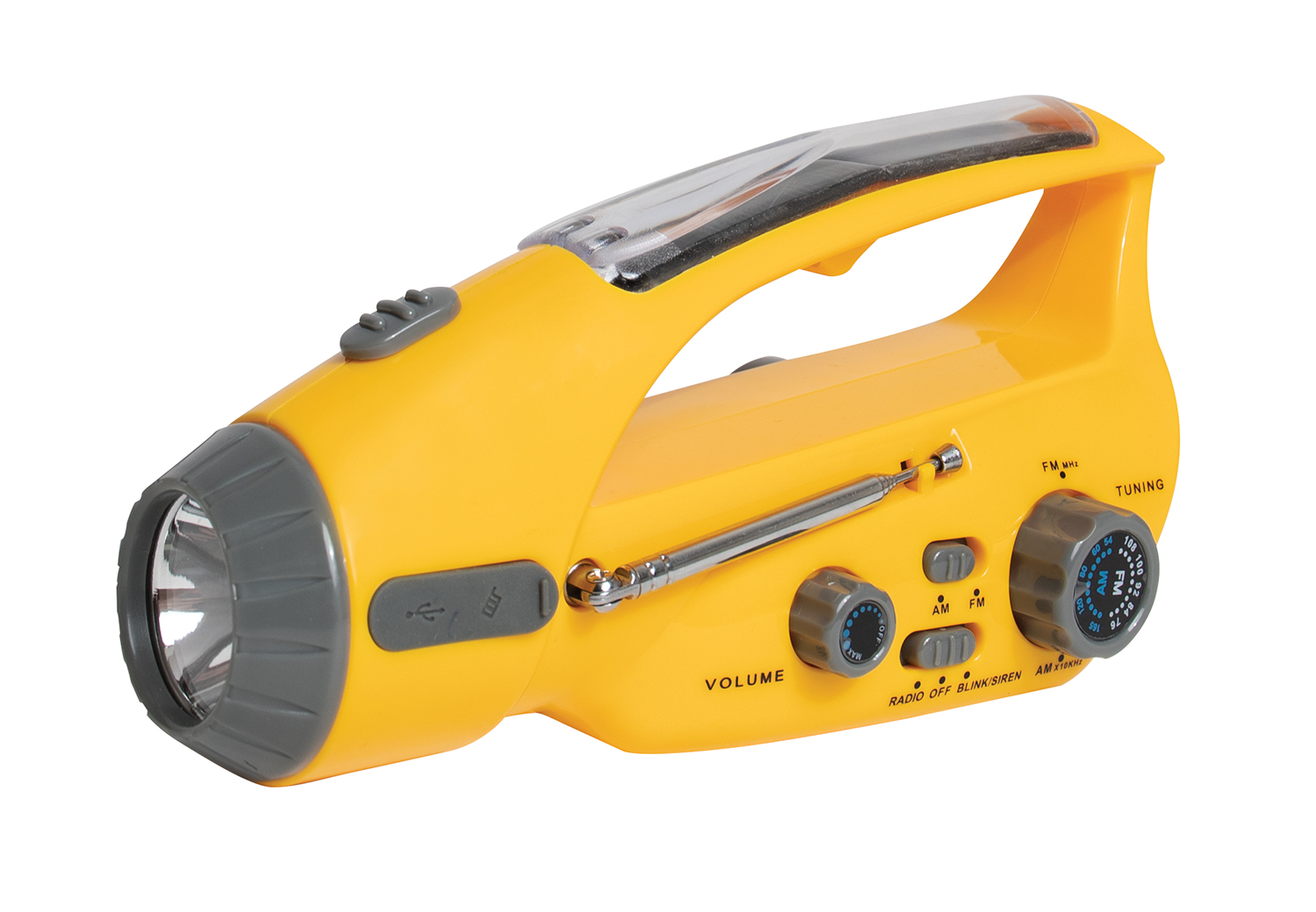
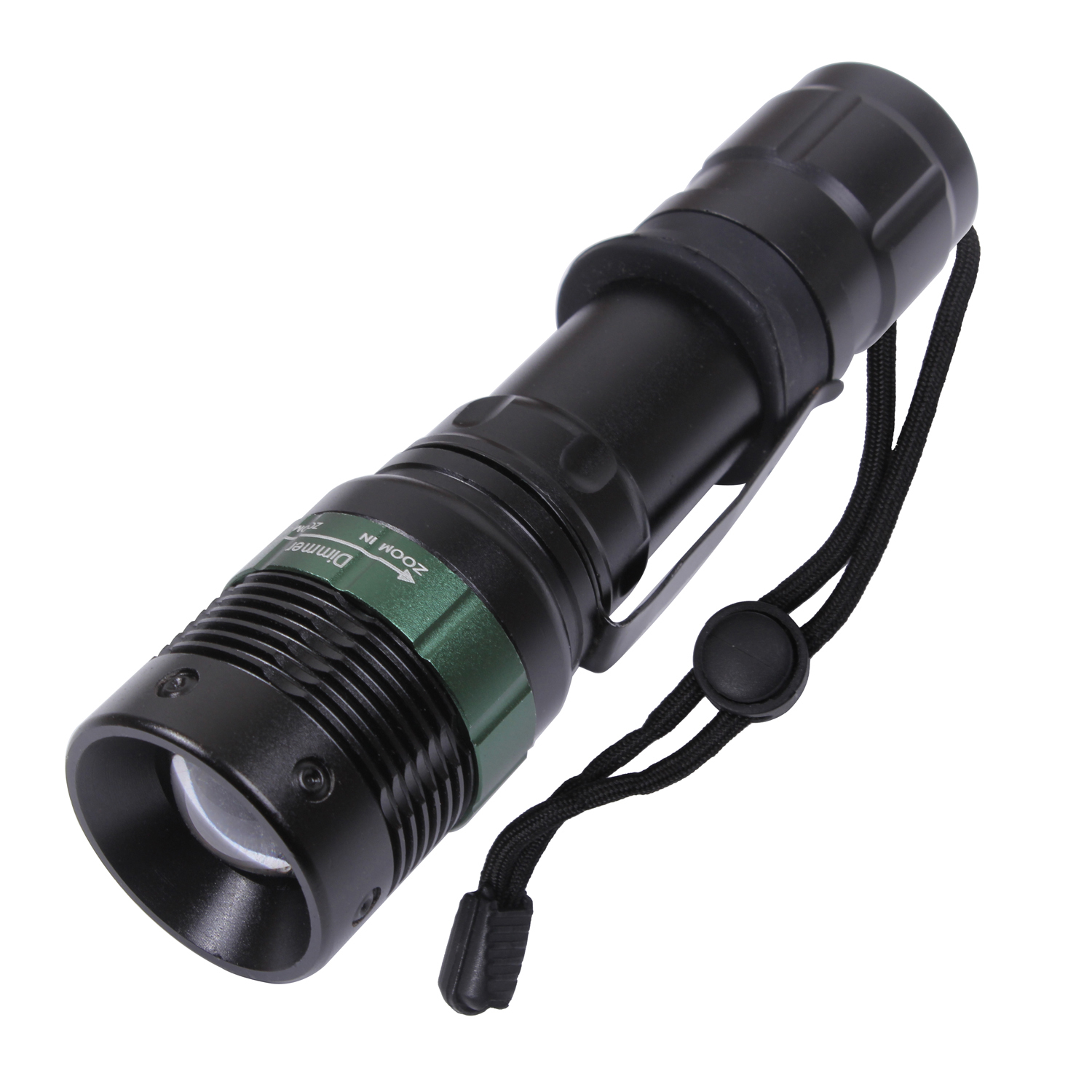
During a significant disaster, cell infrastructure often fails early. A battery-powered or hand-crank radio receives emergency broadcasts without grid power. A Rothco tactical flashlight and headlamp cover immediate lighting needs. Keep spare batteries in a labeled bag inside your kit and replace them on schedule — dead batteries discovered during a power outage are an entirely avoidable failure.
Organization and Bags
A preparedness kit that isn’t organized is a preparedness kit that doesn’t work under pressure. Use Rothco’s MOLLE pouches and utility bags to create dedicated containers for each category of gear. Label everything. Store the kit in a consistent location and build a routine around checking it. Rothco’s tactical backpacks work well as primary evacuation bags — durable, organized, and designed to carry significant weight over distance.
Frequently Asked Questions
Where do most people go wrong with prepping?
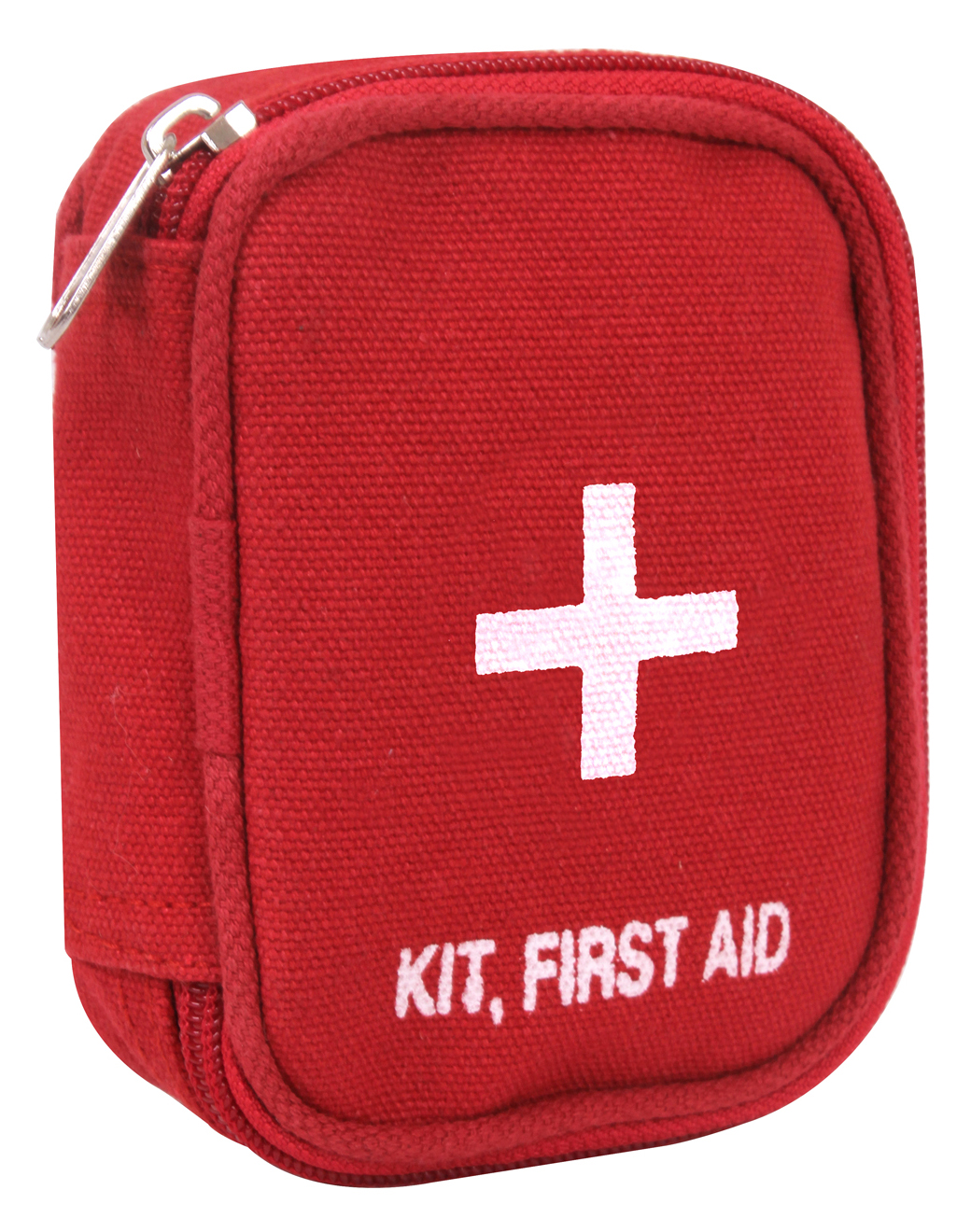
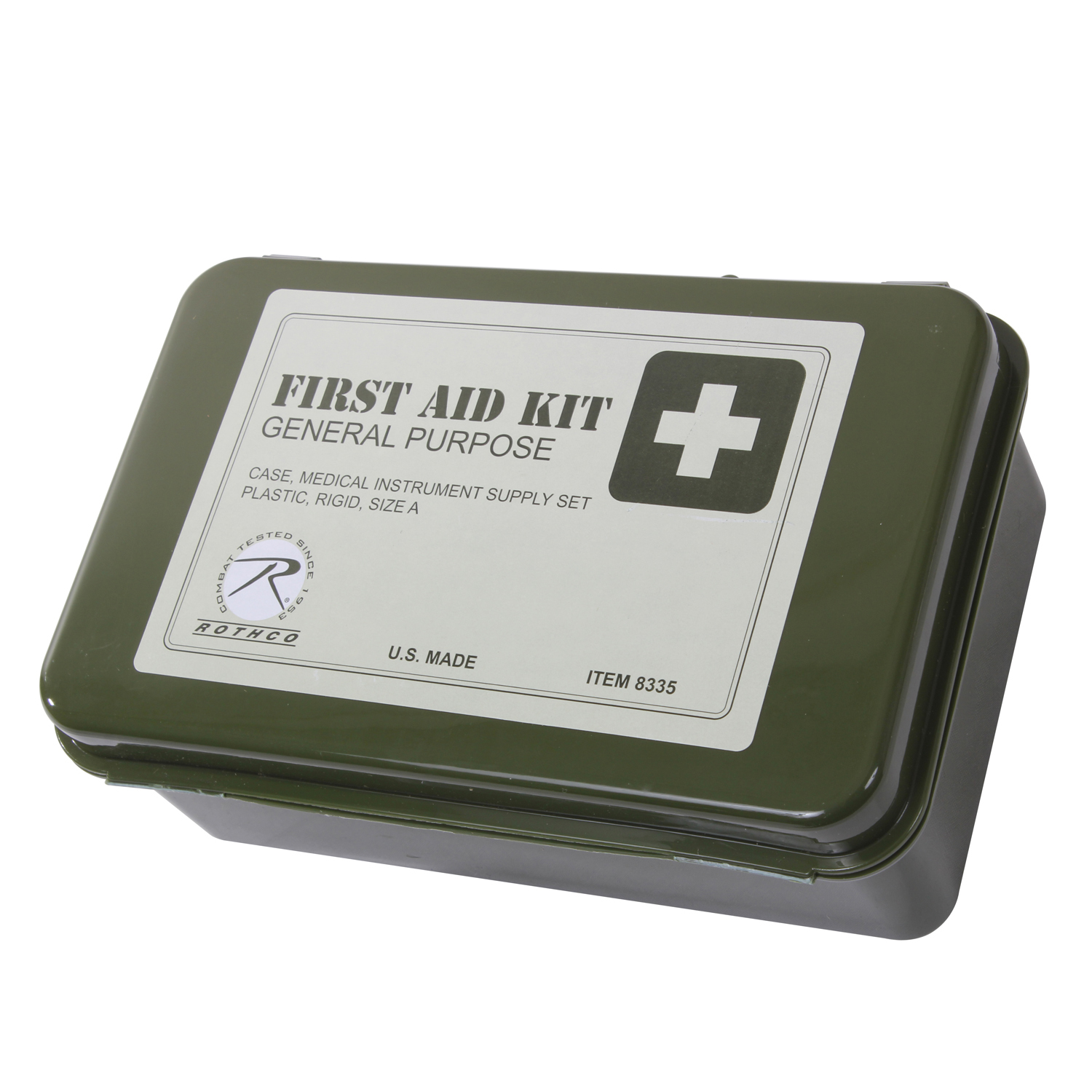
They buy gear in categories they’re interested in — usually tools and weapons — while neglecting the higher-probability basics: water, first aid, and warmth. A well-organized basic kit beats an elaborate kit with gaps in it every time. Build for the most likely scenarios first — power outage, 72-hour evacuation, shelter in place — and expand from there.
How much water should I store?
One gallon per person per day as a minimum for drinking and basic sanitation. A 72-hour kit for one person needs at least three gallons of stored water plus purification capability for additional sourcing.
How often should I review my kit?
Twice a year. Replace expired medications and food, check battery levels, and make sure all items are still in the kit and still in working condition. A kit that was assembled once and never reviewed will have critical failures when you need it.
Related guides: Bug-Out Bag Guide · Hurricane & Disaster Prep · First Aid & Safety Kit