
Best Tactical Boots for Long Shifts
If you’re on your feet for 10 to 12 hours at a stretch, boot choice stops being about looks and starts being about whether you can still feel your feet by hour eight. Good duty boots need to handle pavement, gravel, mud, and stairs without beating up your joints. Here are seven that hold up.
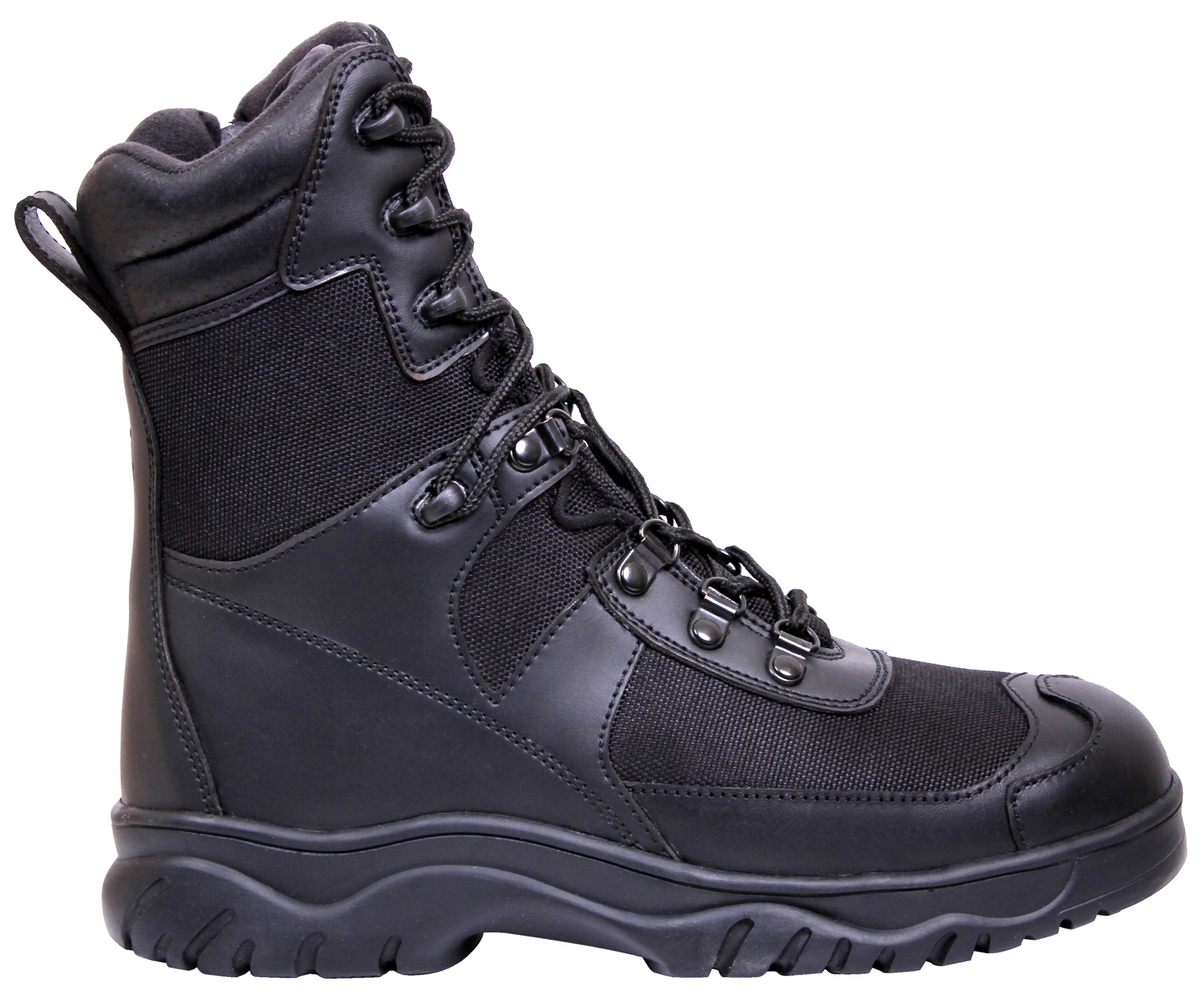
Rothco V-Max Lightweight Tactical Boot
Built on a lightweight EVA midsole that takes a lot of the pounding out of standing and walking all day. The side zip makes them fast to get on and off between shifts, and the toe box has enough room that swelling feet late in the day aren’t a problem.
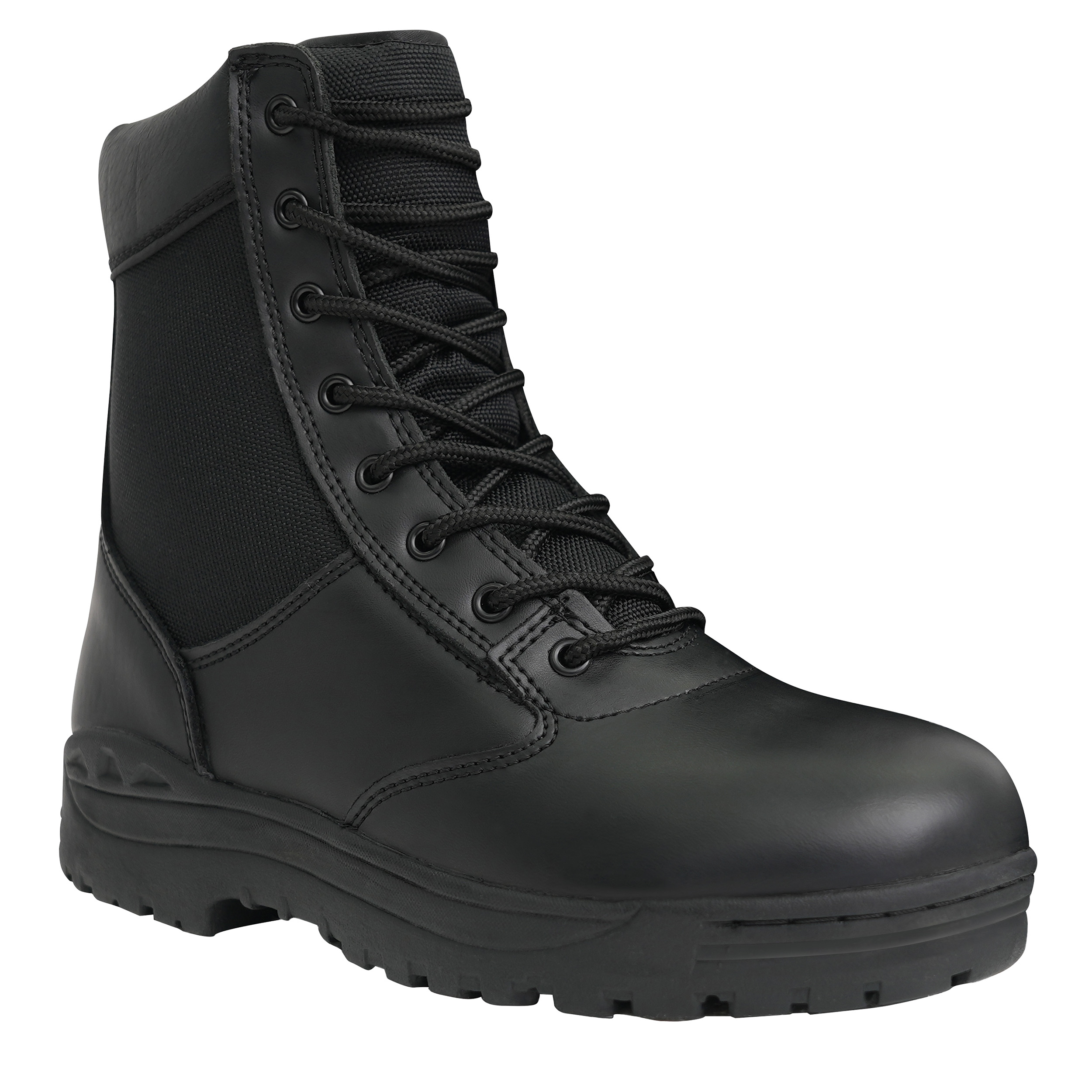
Rothco 8″ Forced Entry Tactical Boot
A heavier, more traditional boot with a full leather and nylon upper. It’s not the lightest option here, but the ankle support is excellent for anyone doing a lot of stairs, ladders, or uneven ground on patrol.
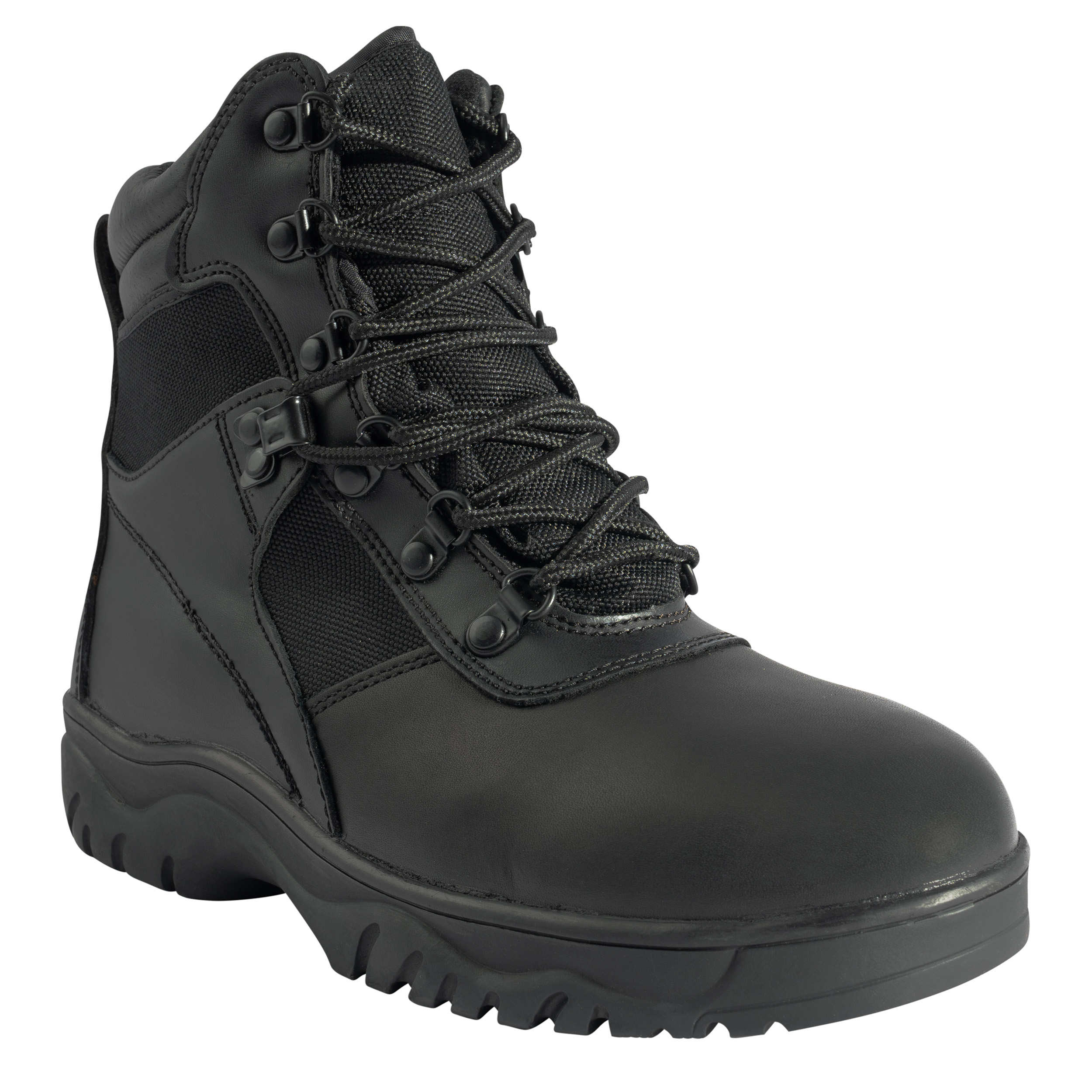
Rothco 6″ Forced Entry Tactical Boot
Same construction as the 8″ version but cut lower for more ankle mobility. Good middle ground if you want durability without the bulk of a tall boot, especially for indoor security or warehouse work.
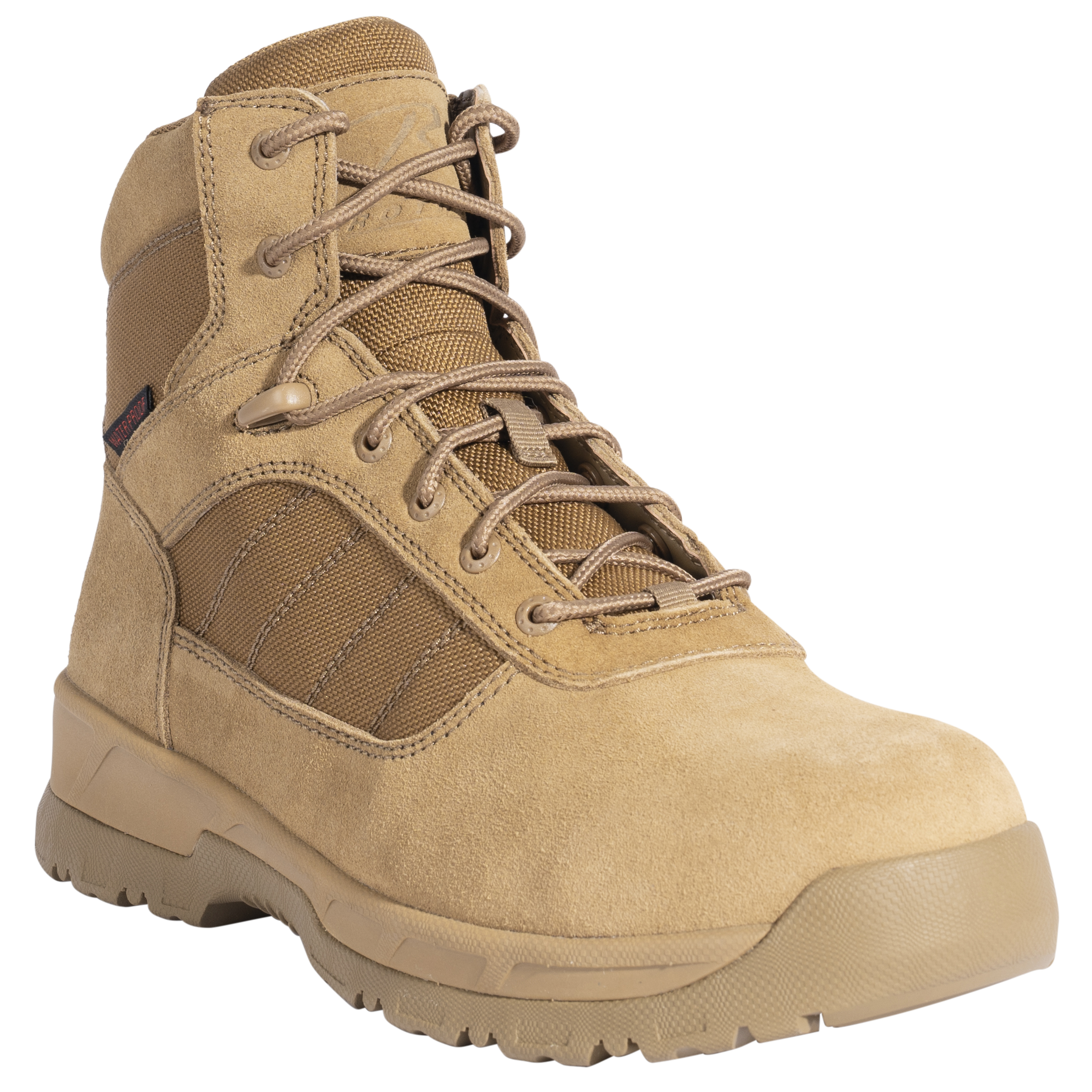
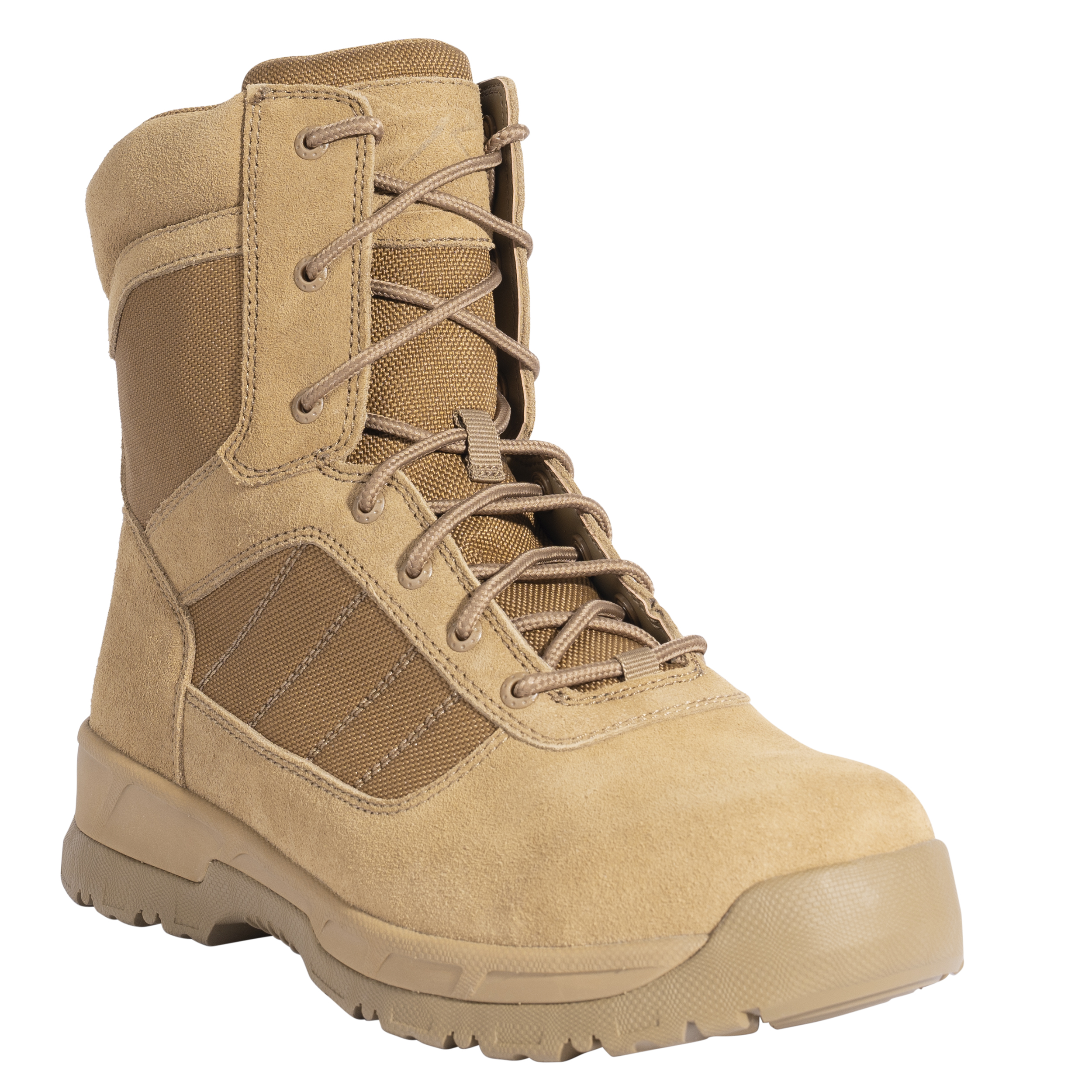
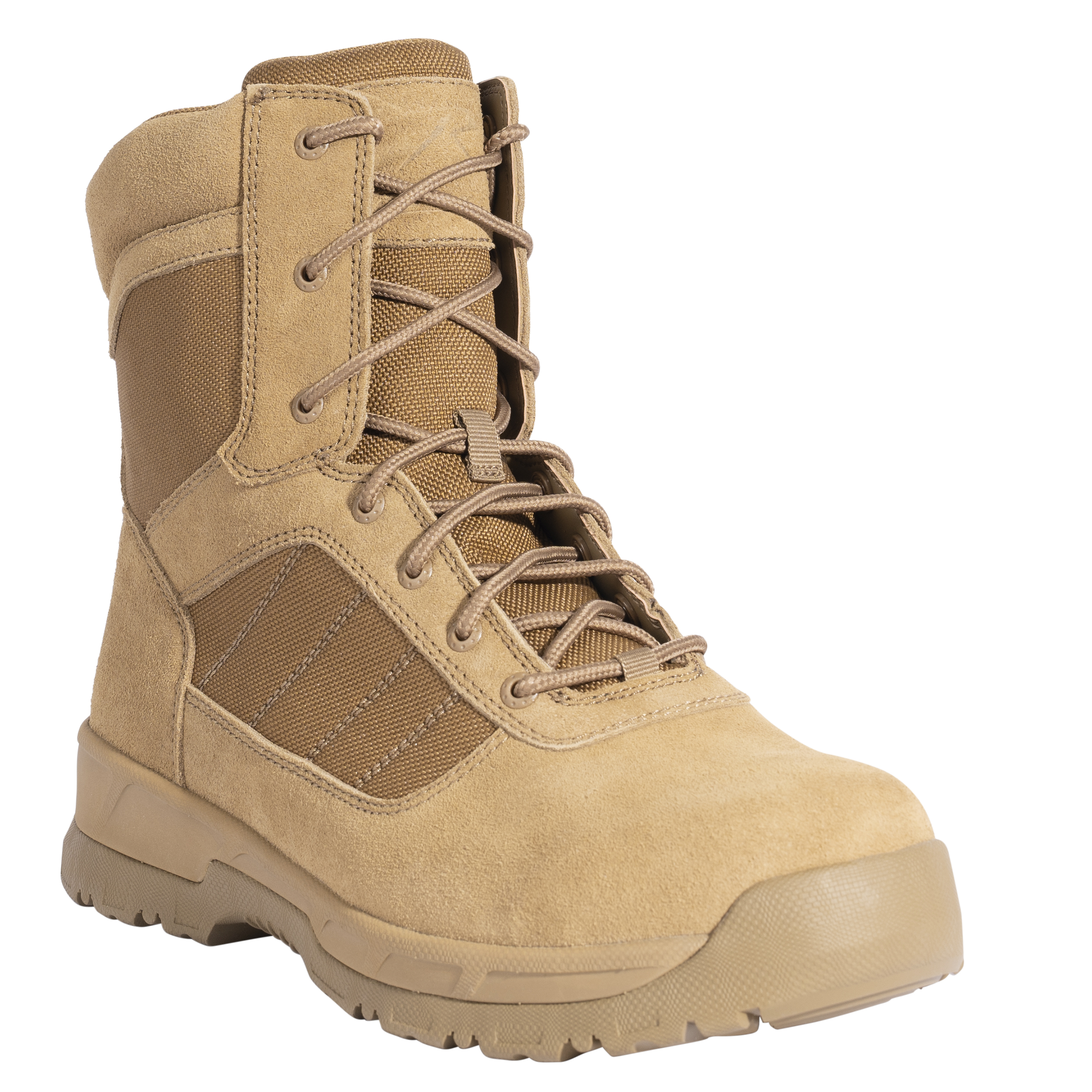
Rothco AR670-1 Coyote Military Boot
Compliant with current uniform regulations if that matters for your role, but also just a solid all-around boot with a cushioned footbed and decent breathability for warmer climates.
Rothco Hot Weather Jungle Boot
Built with mesh panels and drainage ports, this one is for shifts where heat and moisture are the enemy. If you’re working outdoor security in the summer or anywhere humid, your feet will thank you.
Rothco Tactical Chukka Boot
Lower profile and lighter weight, good for roles where a full tactical boot looks out of place but you still want more support than a regular work shoe. Popular with plainclothes and off-duty wear.
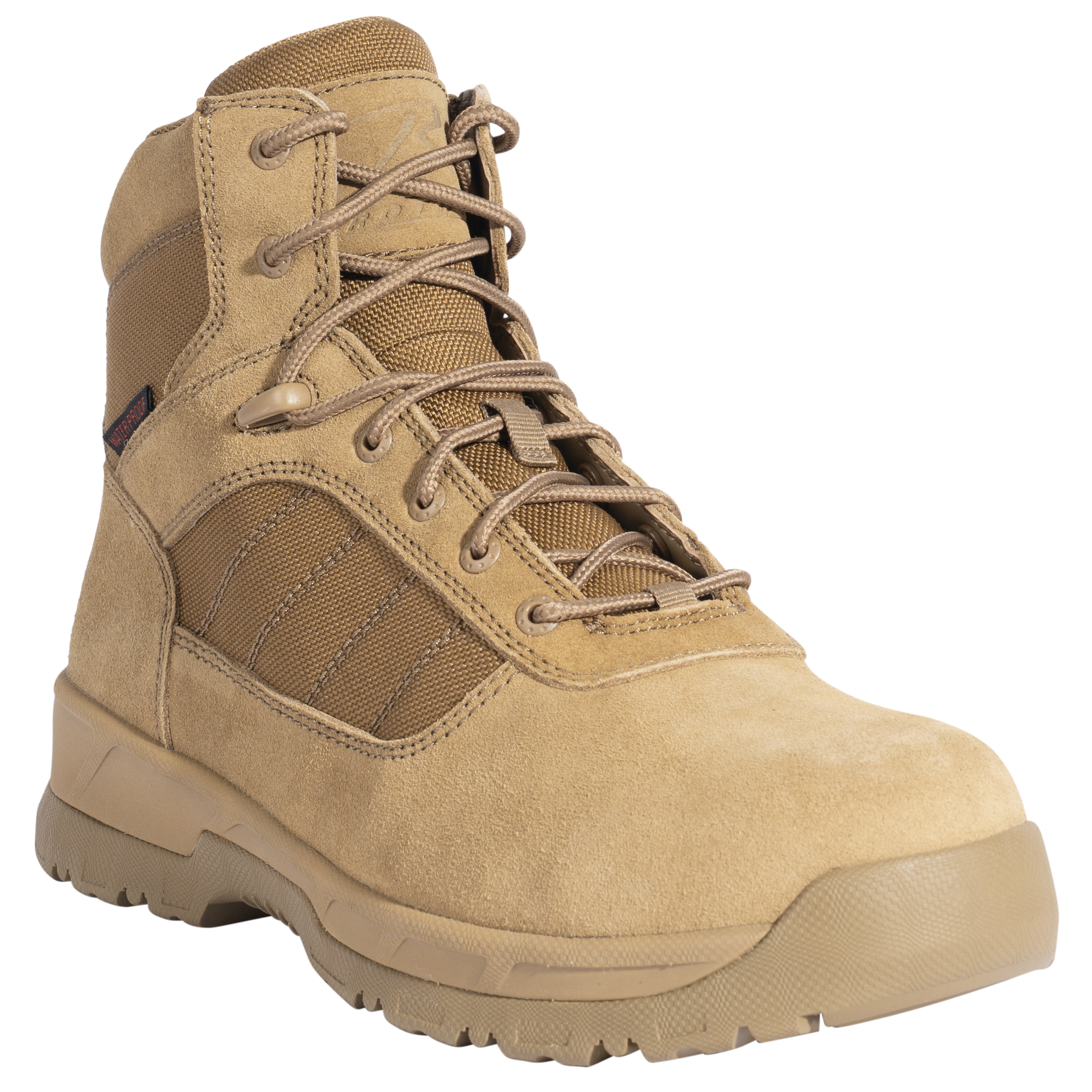
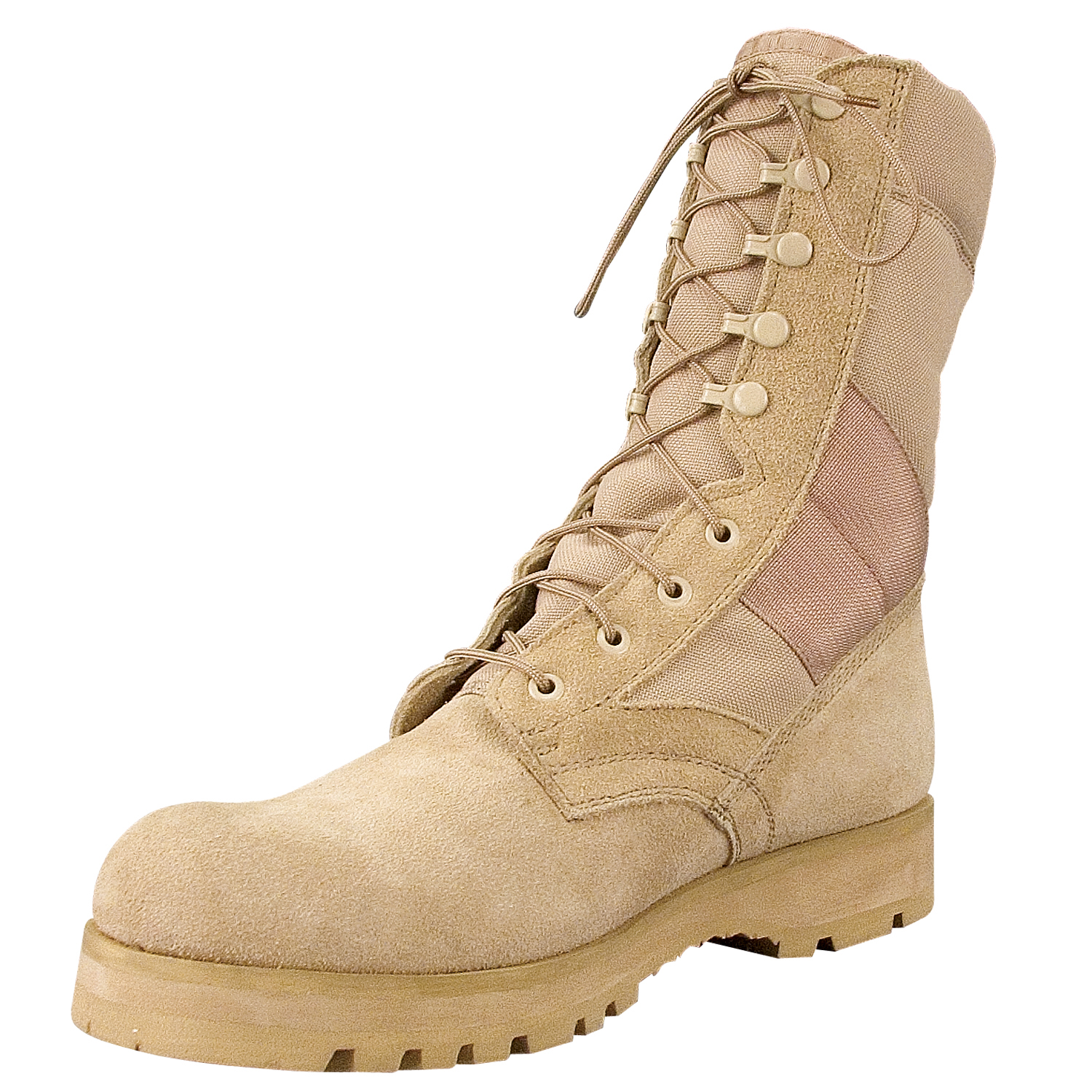
Rothco Desert Tan Military Boot
A no-frills suede and nylon combat boot that breaks in fast and holds up to abrasion well. Budget-friendly option if you need a backup pair or are buying for a whole team.
FAQ
How often should I replace duty boots?
Most boots in heavy daily use start breaking down around 6 to 12 months, depending on how many hours you’re putting in and the surfaces you’re walking on.
Are leather or nylon boots better for long shifts?
Nylon and mesh combinations are lighter and breathe better, while leather holds up longer to abrasion and weather. Most duty boots blend both for a reason.
Do I need a different boot for indoor vs outdoor work?
Indoor roles benefit from lighter, lower-profile boots with good floor grip, while outdoor work calls for more ankle support and weather resistance.
What socks should I pair with tactical boots?
Moisture-wicking synthetic or merino wool socks make a bigger difference than people expect, especially for blister prevention on long shifts.