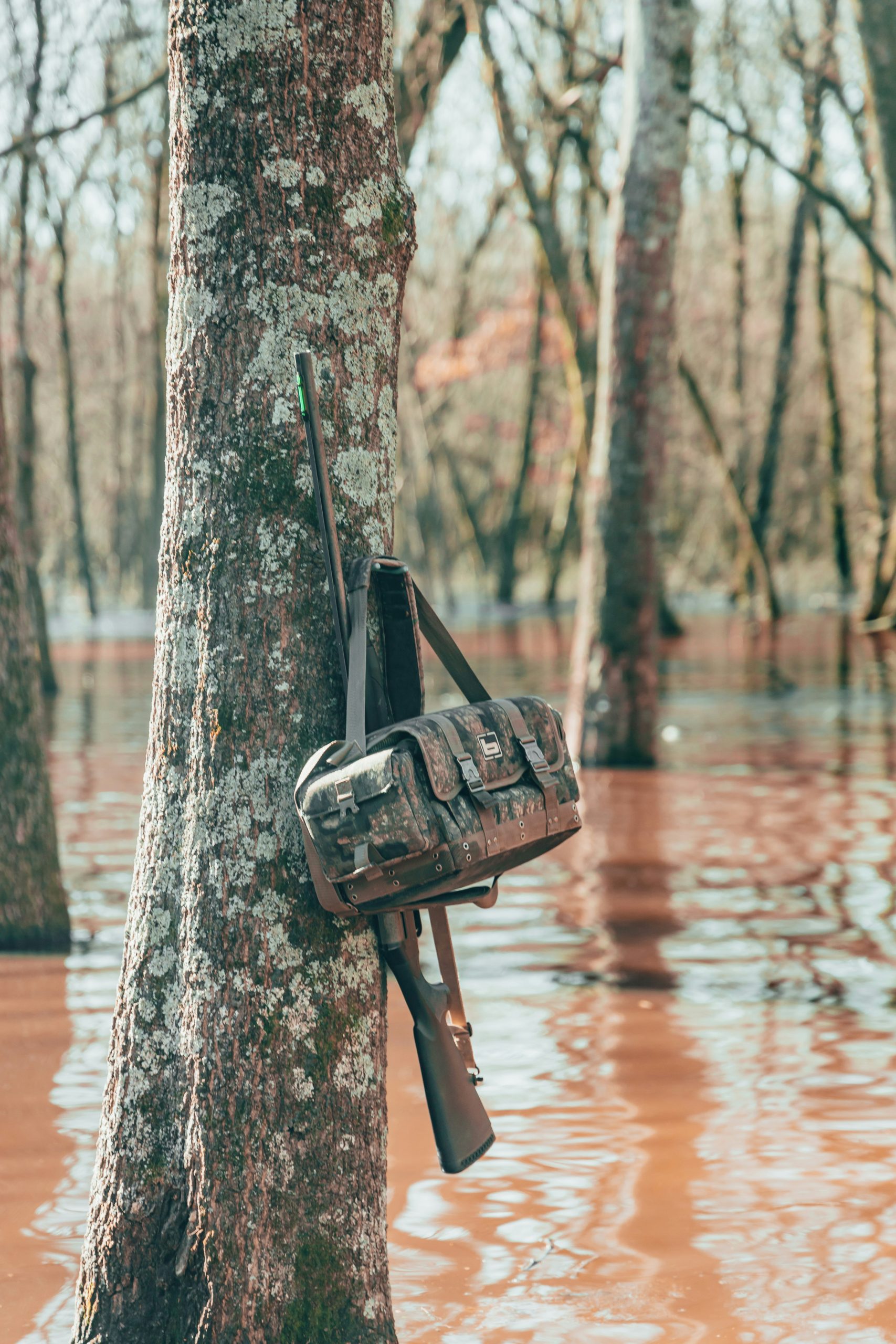
How to Build a 72-Hour Bug-Out Bag
A 72-hour bag covers the gap between an emergency happening and help, supplies, or stability arriving. The goal isn’t to survive indefinitely, it’s to get through three days of disruption without depending on stores, utilities, or outside assistance.
Core Categories to Pack
Water (Priority One)
Pack at least one liter per person per day, plus a way to treat more. A collapsible water container, a few liters of bottled water, and a filter or purification tablets cover both immediate needs and the ability to refill from questionable sources.
Food
Choose calorie-dense, no-cook options: energy bars, MREs, dehydrated meals (if you’re packing a way to heat water), nuts, and jerky. Aim for roughly 1,200-1,800 calories per person per day. Skip anything that requires extensive prep or refrigeration.
Shelter and Warmth
A lightweight emergency bivy or poncho liner takes up minimal space and handles temperature drops or unexpected nights outdoors. Add a wool or synthetic base layer and extra socks, since wet feet are one of the fastest ways to become miserable and at risk in cold conditions.
First Aid
A real first aid kit, not just band-aids. Include gauze, trauma shears, tourniquet, antiseptic, any personal medications (at least a 3-day supply), and pain relievers.
Lighting and Power
A headlamp frees up your hands, and a backup flashlight covers battery failure. A small power bank keeps a phone alive for communication and navigation.
Tools
A fixed-blade knife handles most tasks. Add paracord (50+ feet), a multi-tool, and waterproof matches or a ferro rod for fire starting.
Documents and Cash
Copies of ID, insurance info, and emergency contacts in a waterproof bag. Include small bills and coins, since card readers and ATMs may not work during widespread outages.
Pack Selection
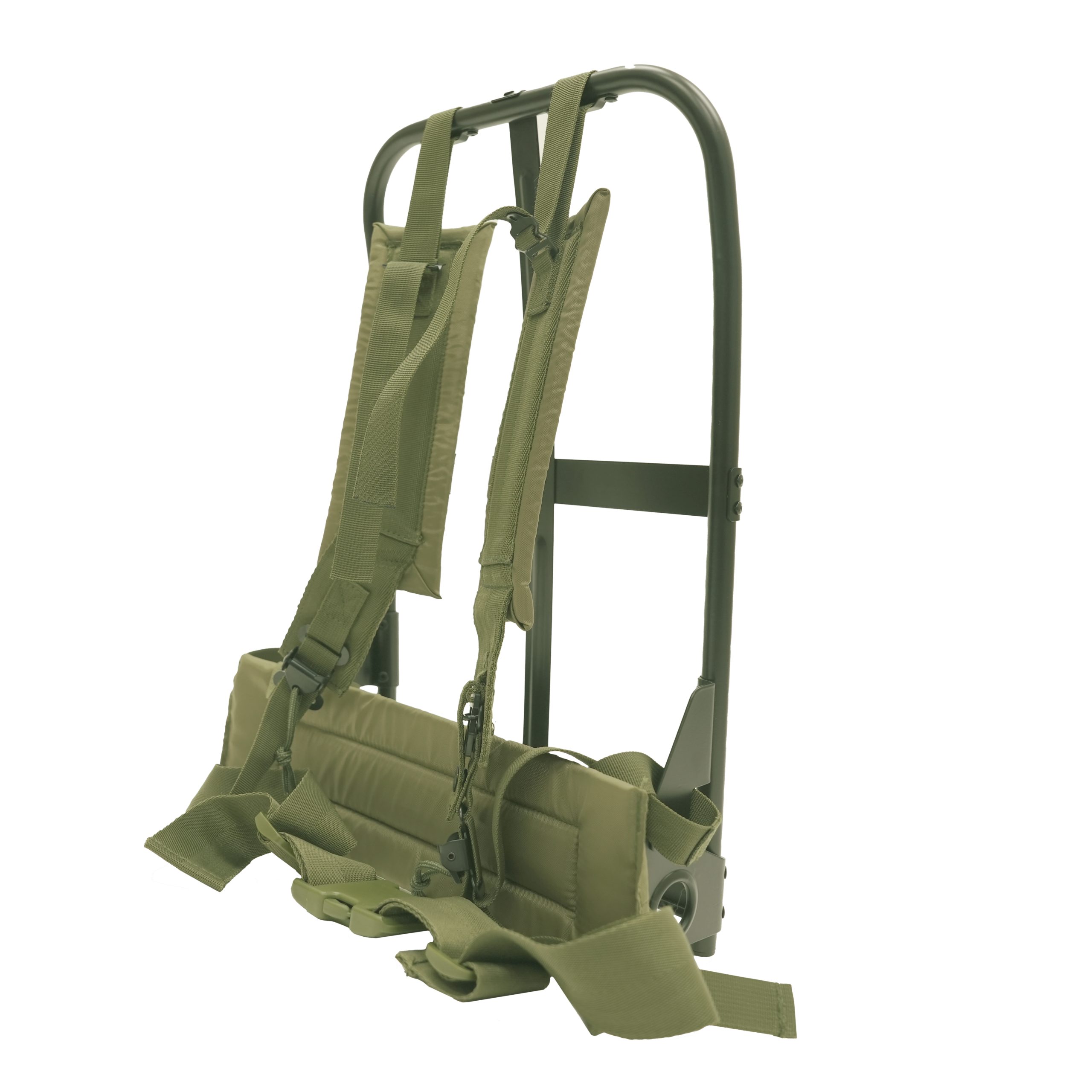
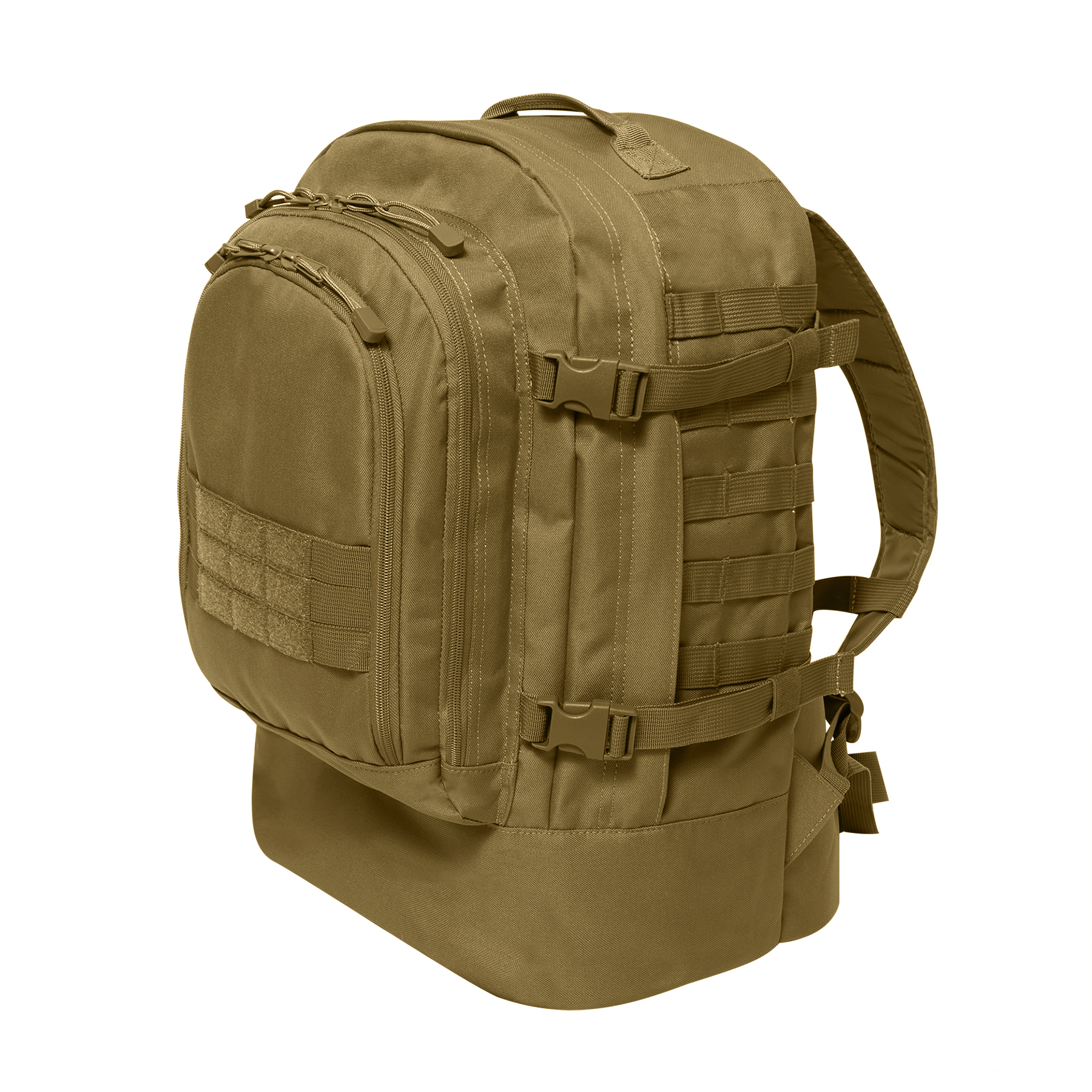
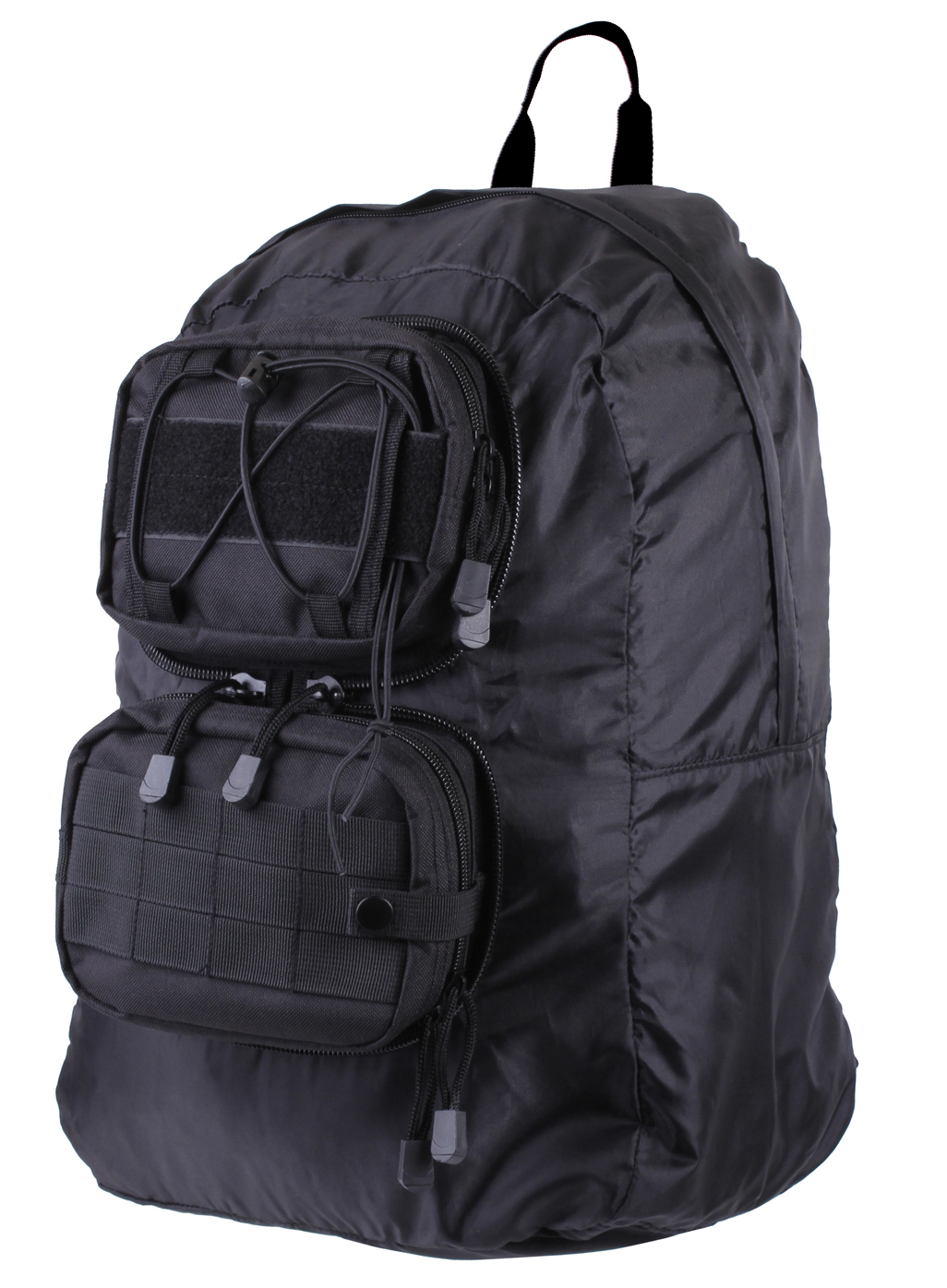
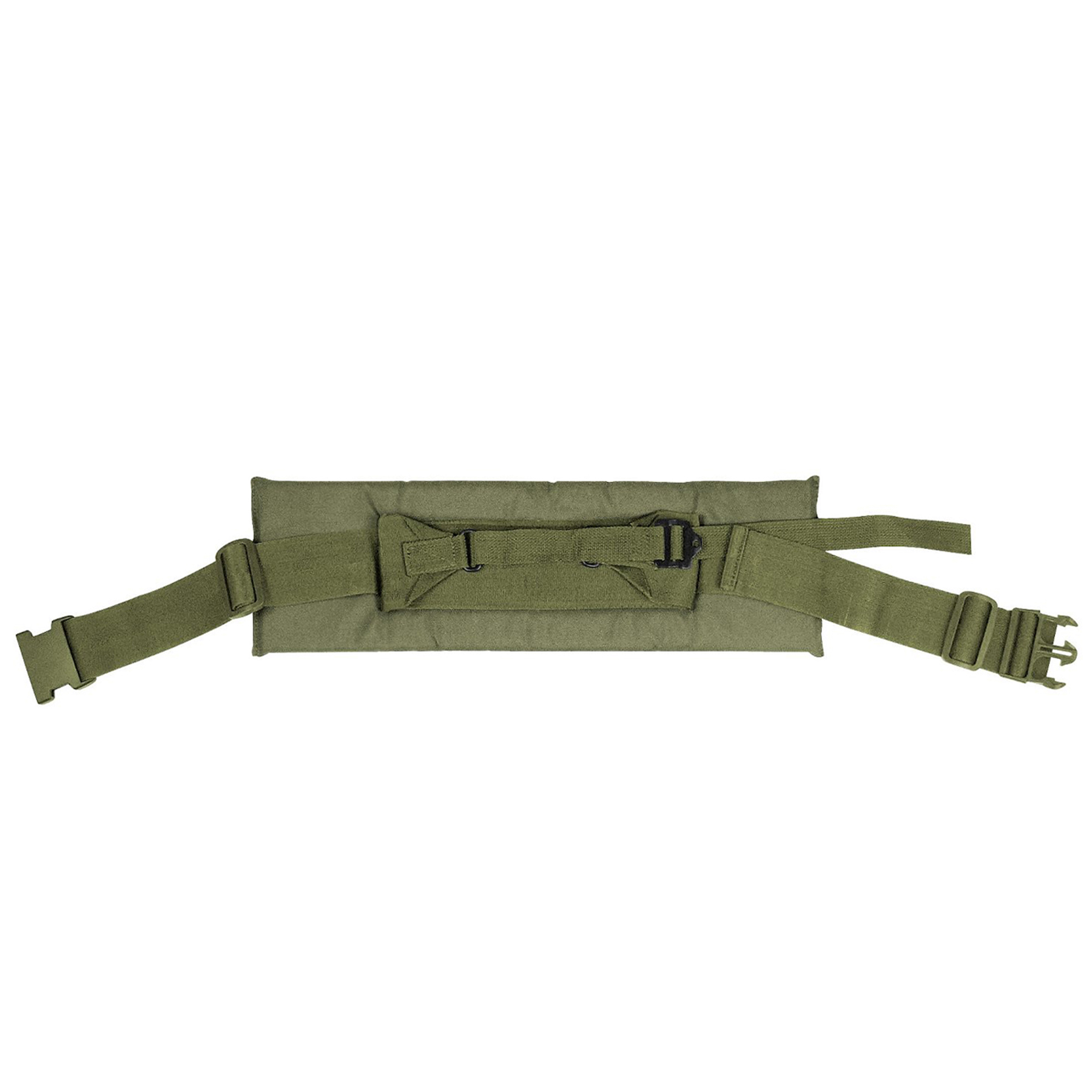
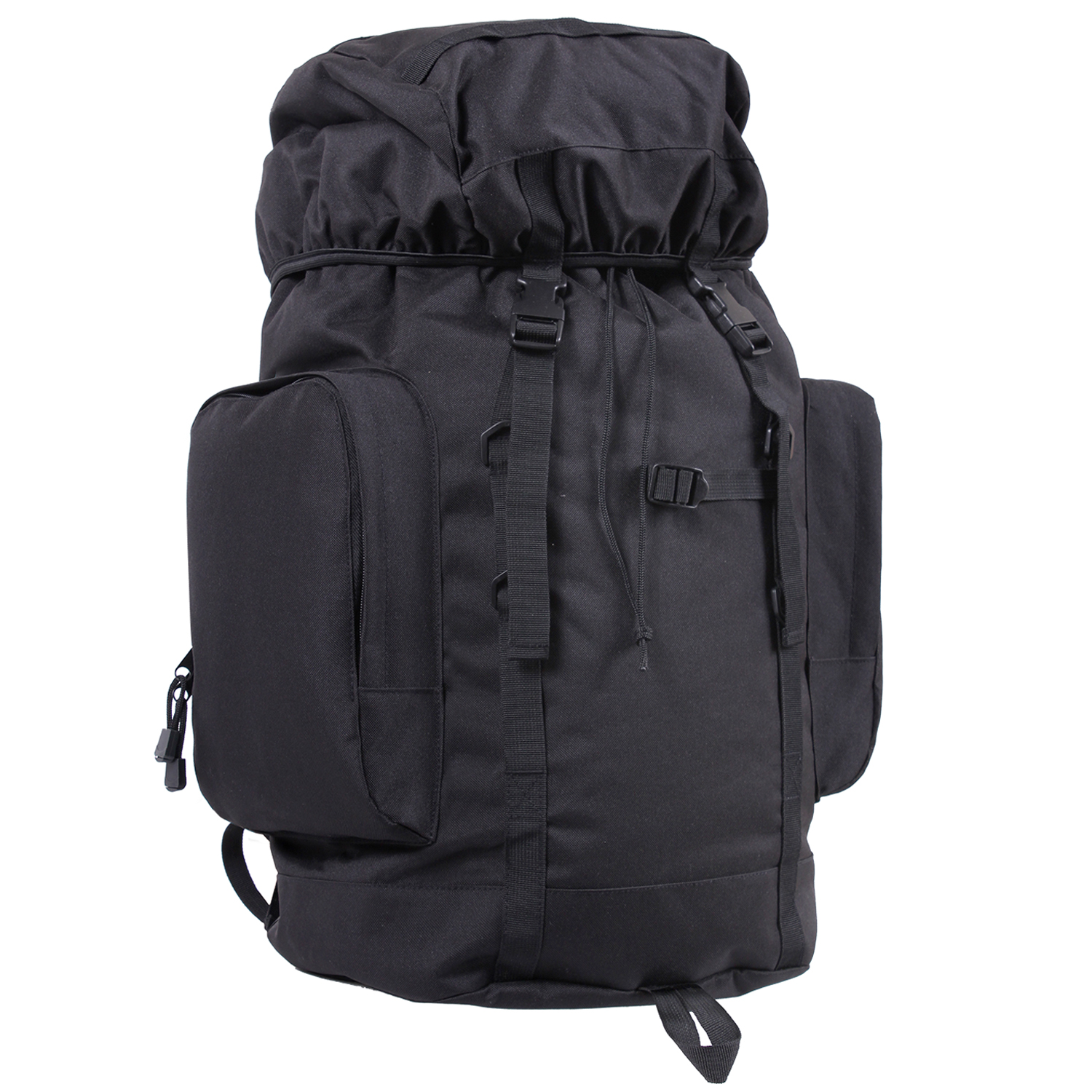
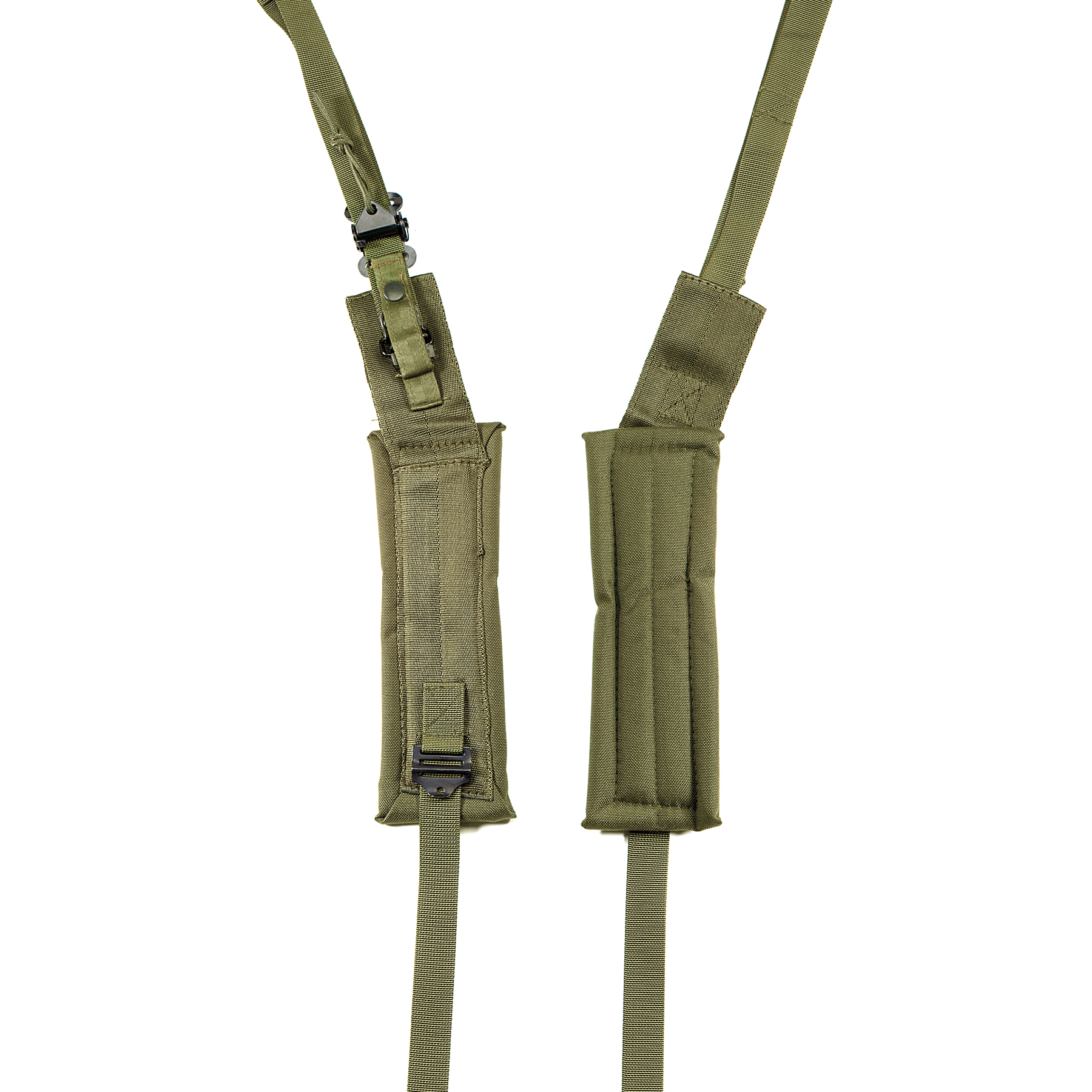
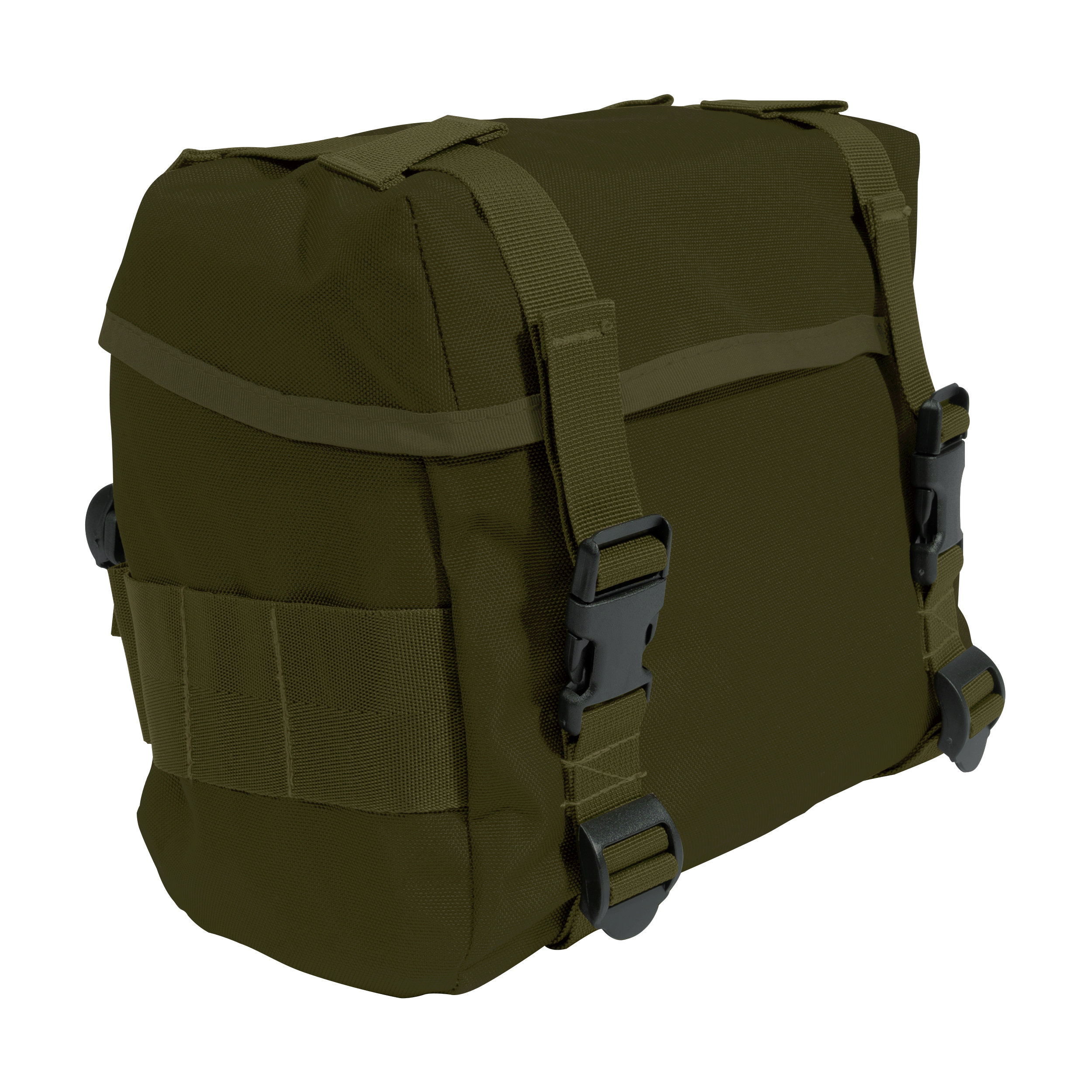
A 30-40 liter pack with MOLLE webbing gives enough room for the above without becoming unwieldy, and lets you add pouches for organization as your kit grows. Avoid anything larger unless you’re packing for multiple people from one bag.
What to Skip
Don’t pack duplicate tools, heavy canned food, or anything that needs an external power source to function. Every item should justify its weight.
FAQ
How much should a 72-hour bag weigh?
For most adults, somewhere between 15-25 pounds is manageable for extended carry without exhausting you before you need the gear inside.
Do I need water purification if I’m packing bottled water?
Yes, bottled water runs out fast, and a filter or tablets give you a backup source if your situation extends past 72 hours.
Should everyone in a family have their own bag?
Kids old enough to carry a pack should have a smaller version with their own essentials, while younger children’s supplies can be split across adult bags.
How often should I check and rotate my bug-out bag?
Check it every 6 months for expired food, medications, and batteries, and rotate clothing sizes for growing kids.