Cold Weather Field Gear
Cold weather performance starts with a layering system, not a single heavy coat. The right base layer, mid-layer, and outer shell let you stay functional across changing conditions and activity levels without overheating during exertion or freezing when you stop. This guide covers the Rothco gear that keeps you warm, dry, and operational when the temperature drops.
Stay functional in the cold — layering systems, insulated outerwear, cold-weather headwear, gloves, and base layers built for extended time outdoors.
The Layering System
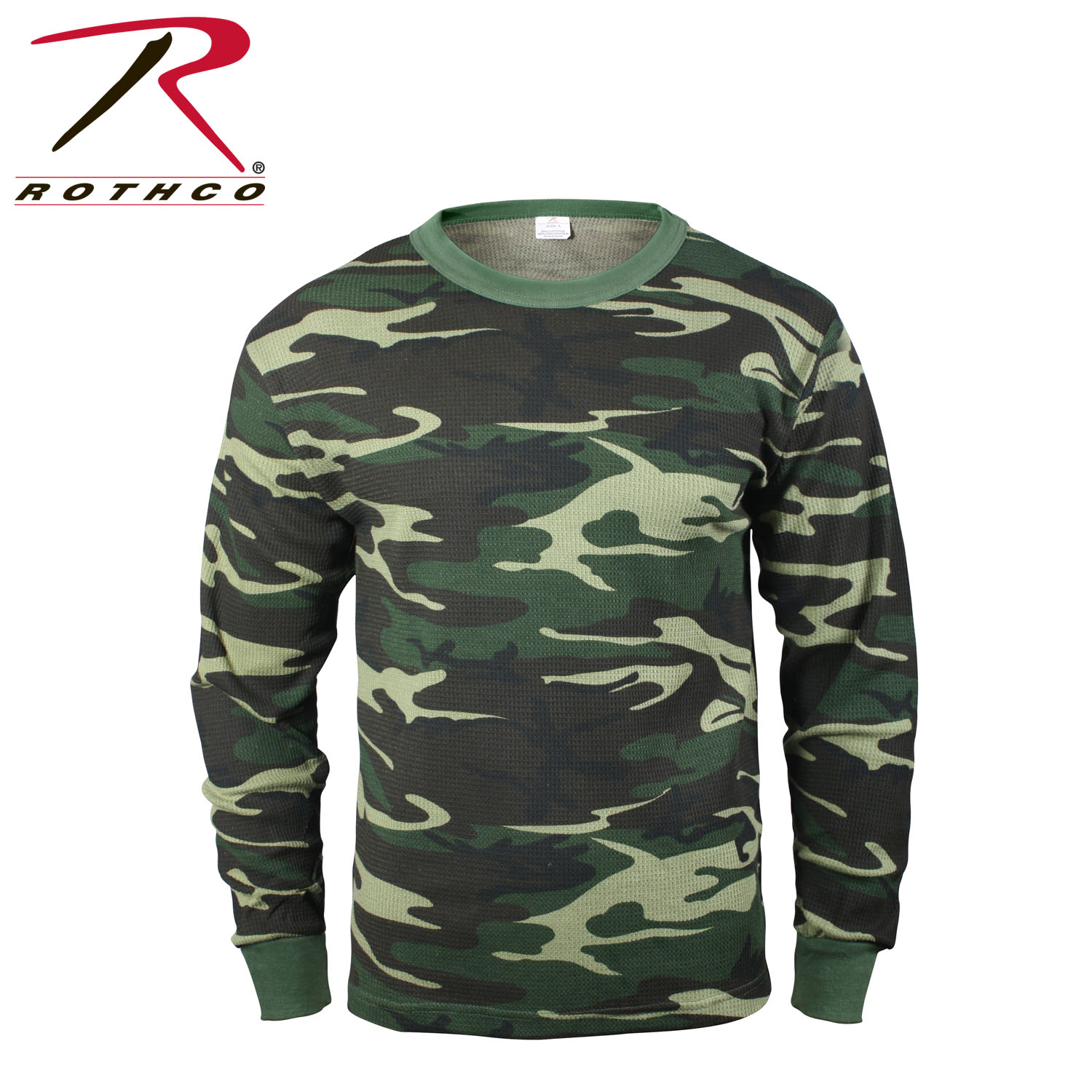
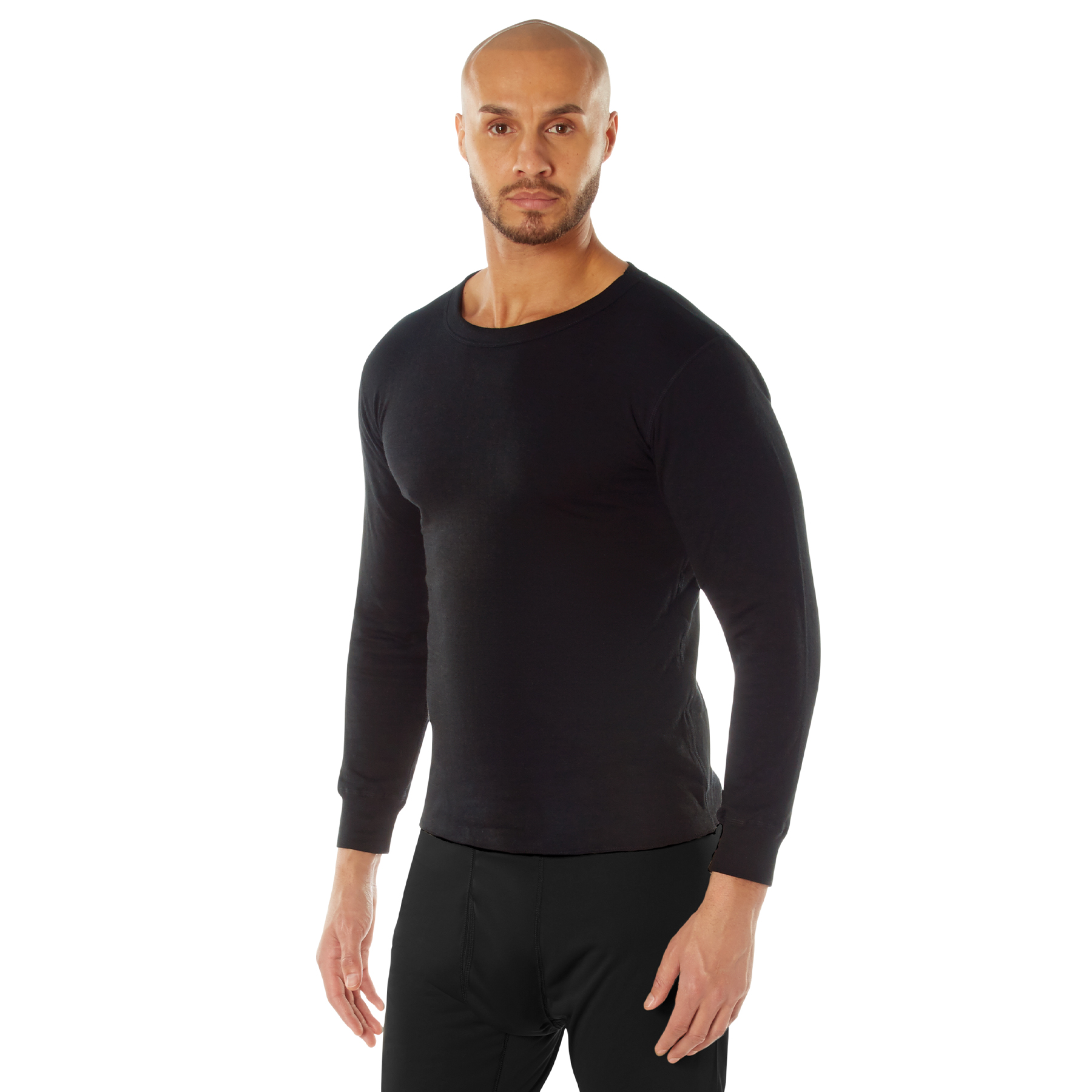
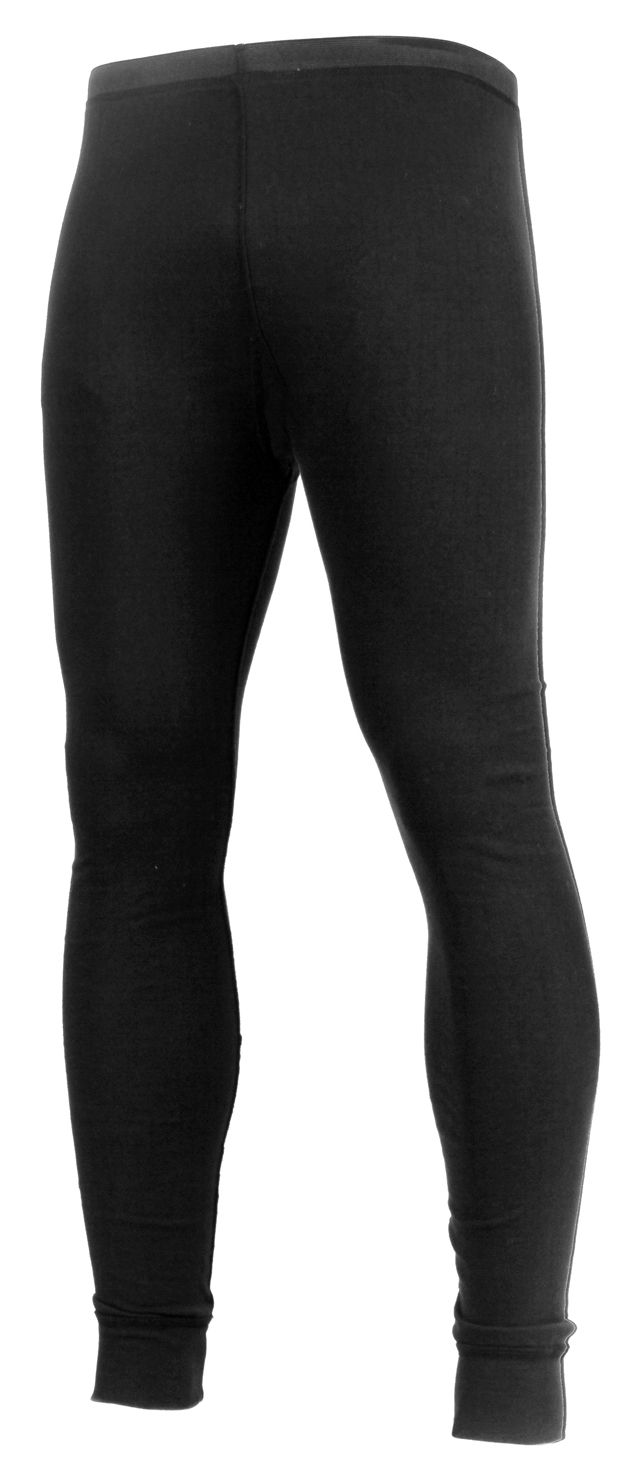
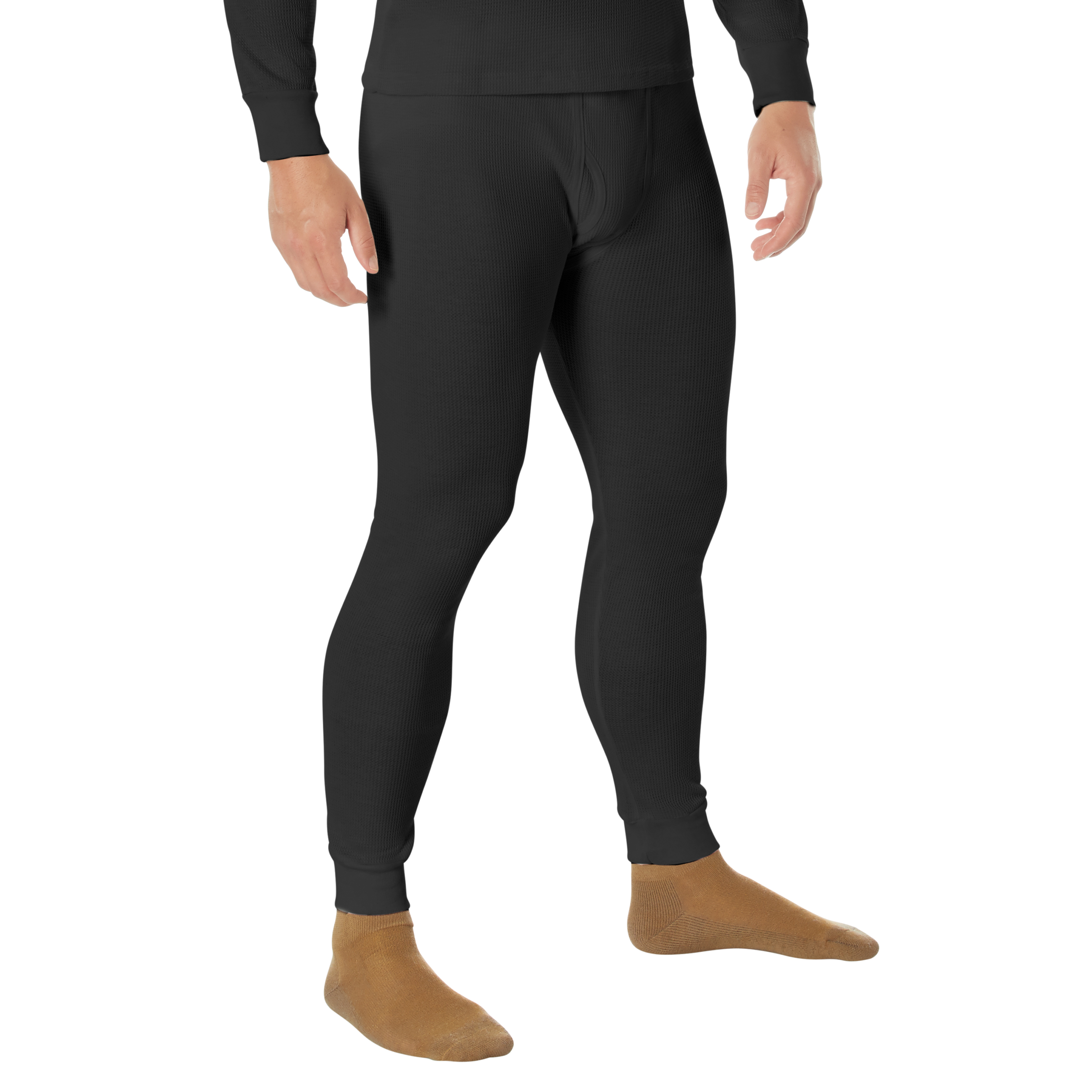
Base layer: Your base layer manages moisture against the skin. It needs to wick sweat away from your body during active movement and dry quickly enough that it doesn’t leave you wet and cold when you stop. Avoid cotton — it holds moisture and accelerates heat loss. Rothco’s thermal base layers use synthetic fabrics that retain warmth even when damp.
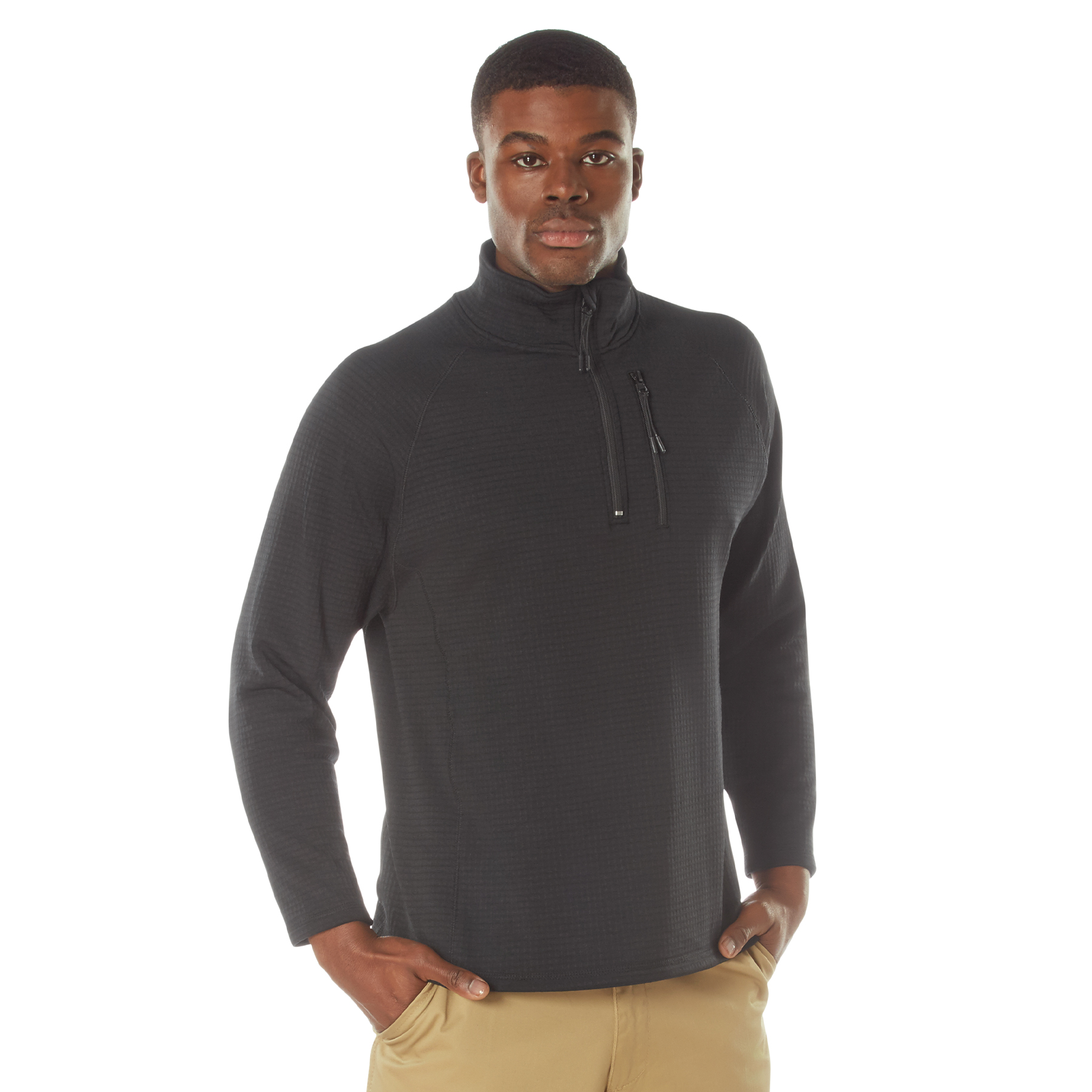
Mid-layer: The mid-layer traps heat. A Rothco fleece jacket or insulated mid-layer handles this job well — enough warmth for stationary cold exposure, packable enough to stuff into a bag when you’re moving hard. This is the layer you’ll add and remove most frequently based on activity level.
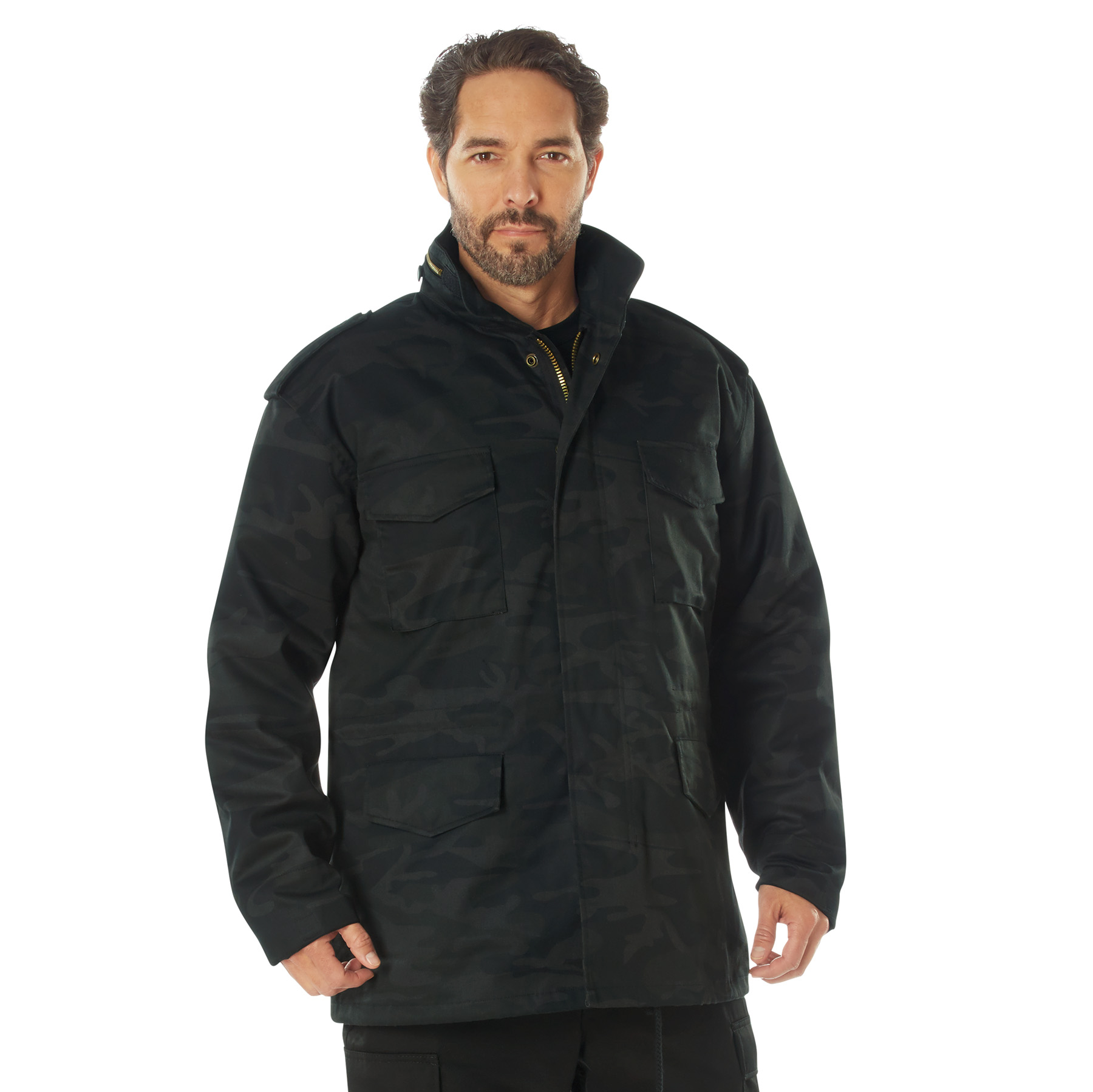
Outer shell: The outer shell blocks wind and precipitation without trapping internal moisture. Rothco’s M-65 field jacket is the standard here — a button-in liner gives it four-season versatility, and the wind-resistant outer shell handles the conditions that base and mid-layers can’t. Available in olive drab, black, woodland camo, and other colorways.
Extremity Protection
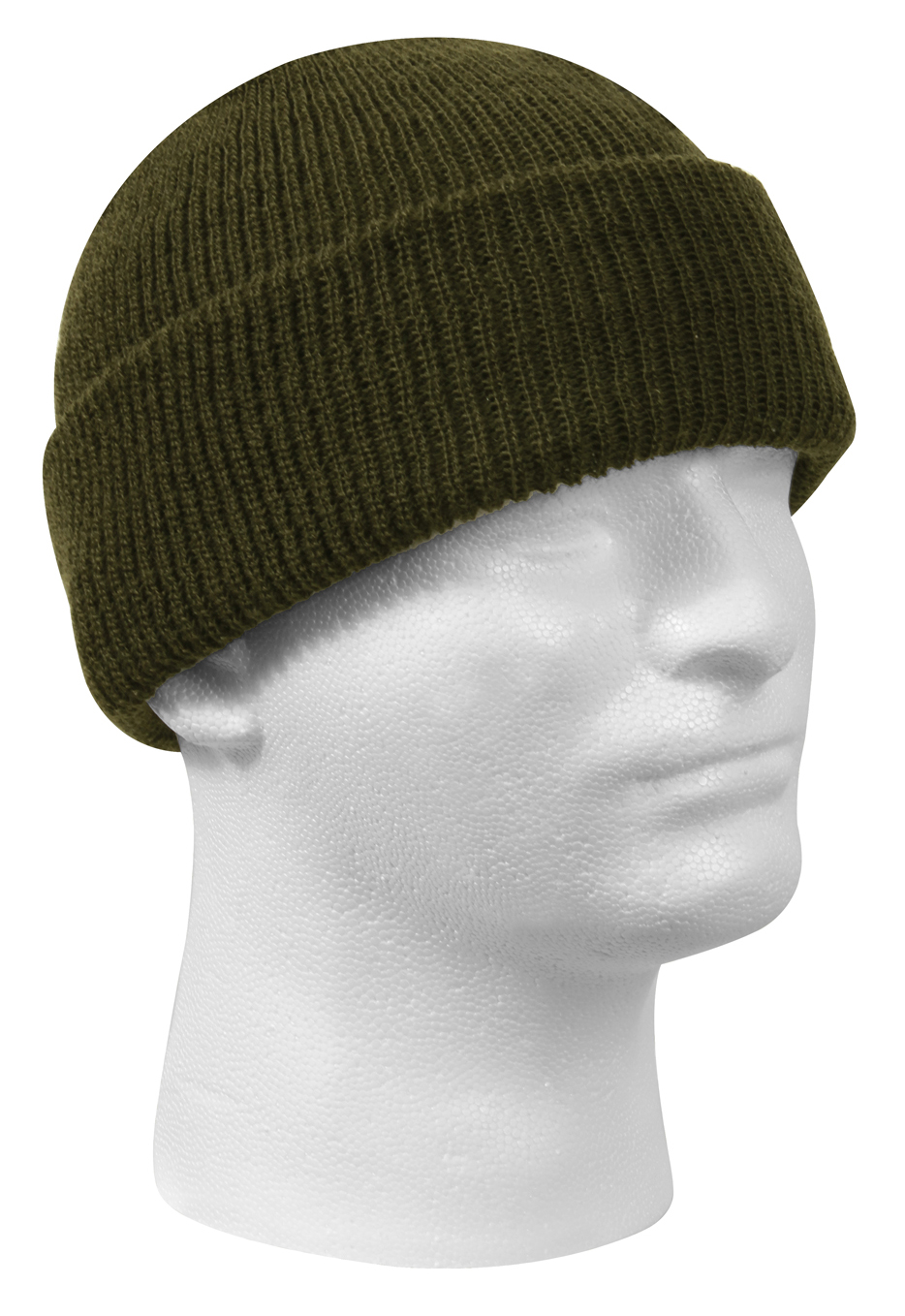
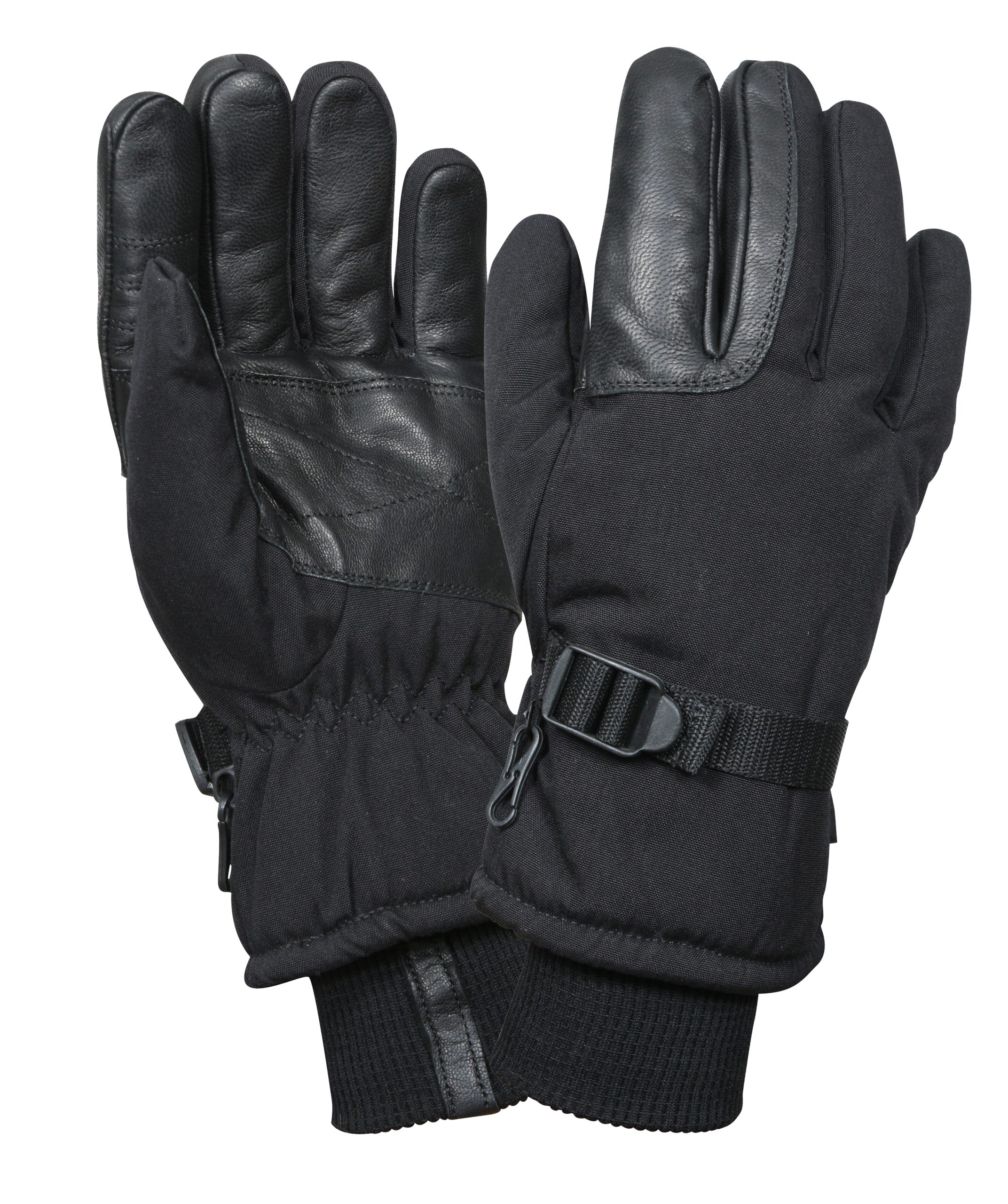
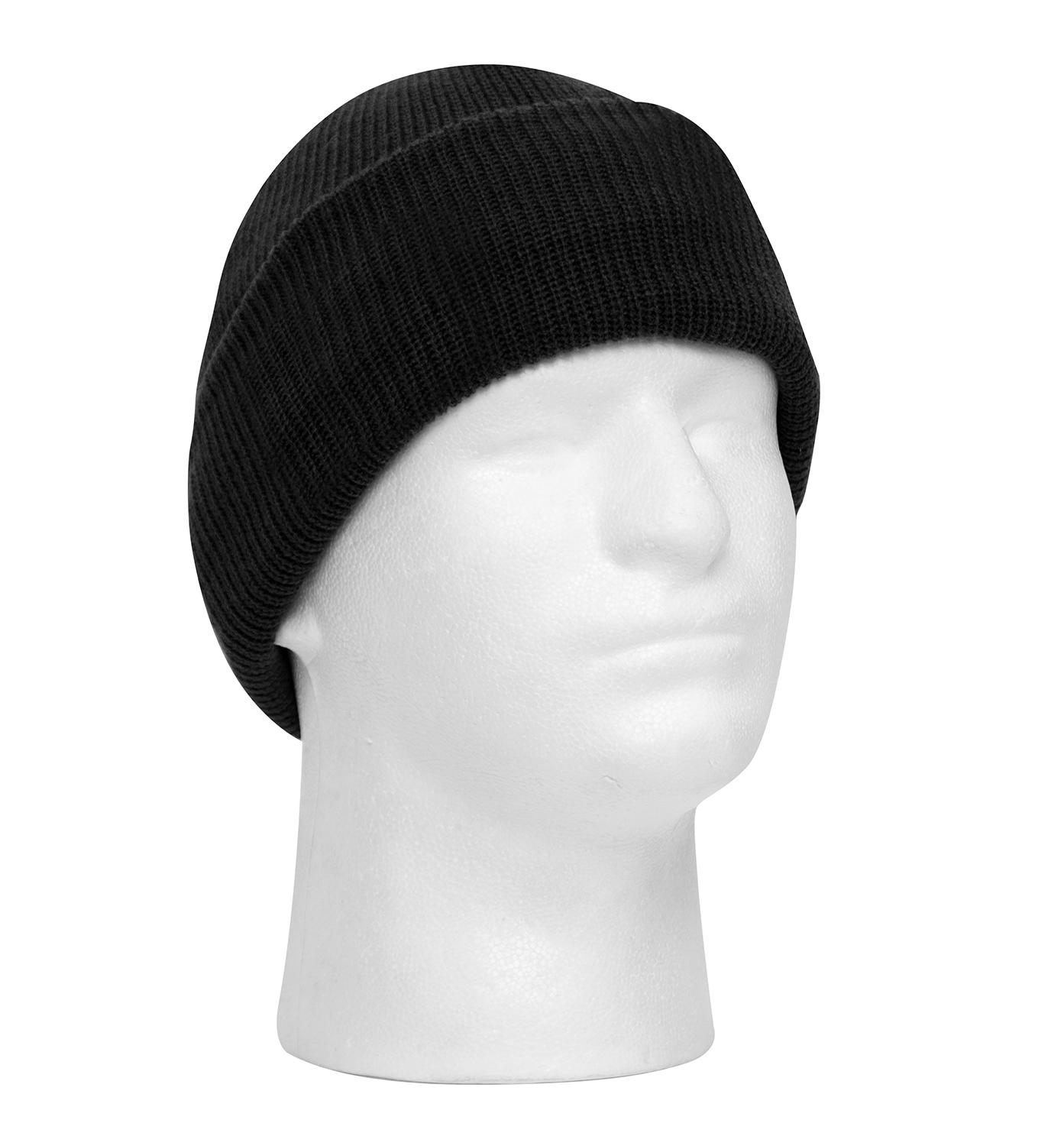
Heat loss from the head and hands accelerates in cold conditions faster than most people expect. Rothco’s watch caps, balaclavas, and neck gaiters seal off the heat loss points that jackets don’t cover. For hands, Rothco’s cold-weather gloves balance insulation with enough dexterity for gear manipulation. In extreme cold, a glove-and-mitten combo system — liner glove inside a mitten shell — gives you the option to expose fingers briefly without fully committing to bare hands.
Footwear and Socks
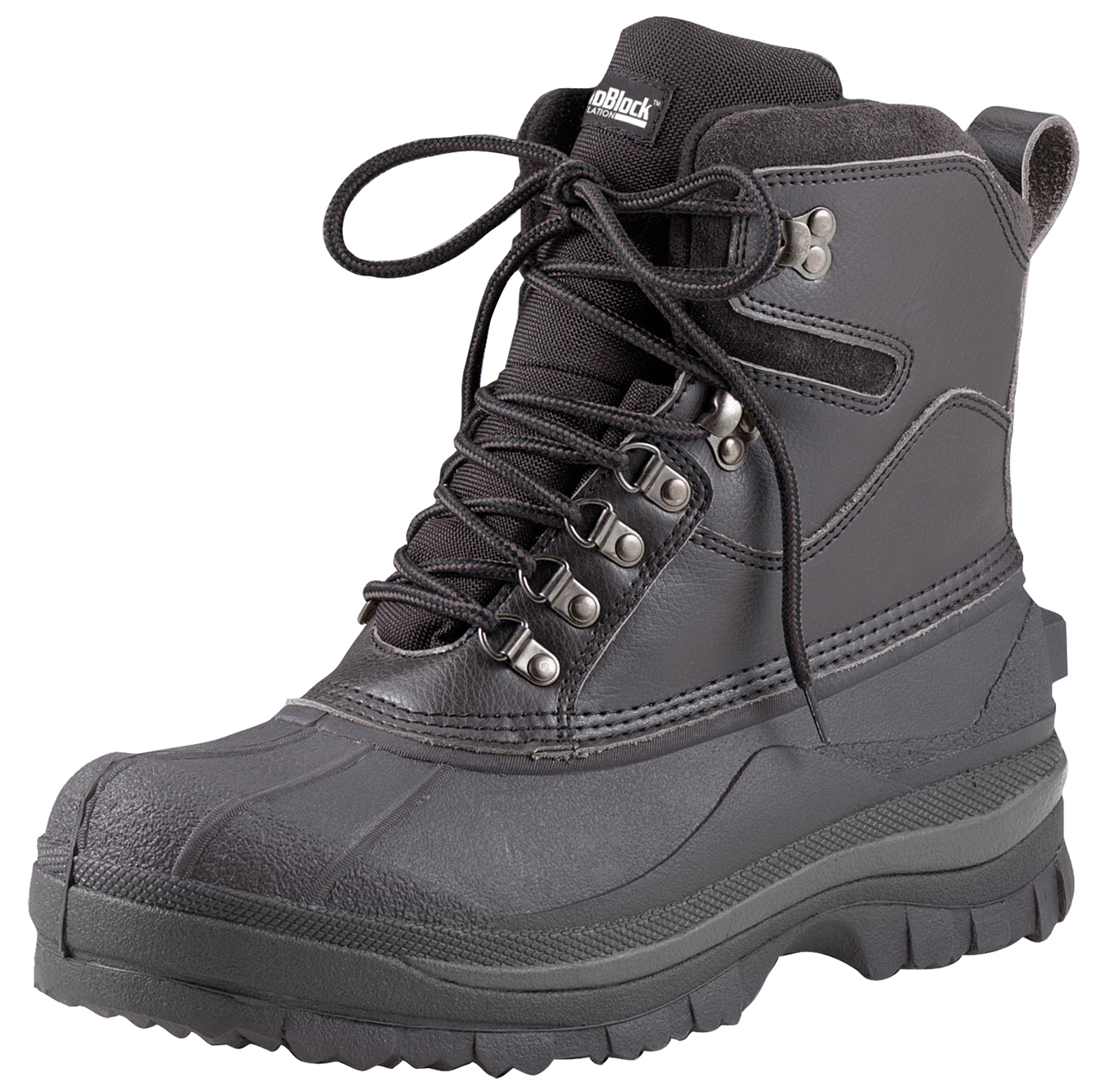
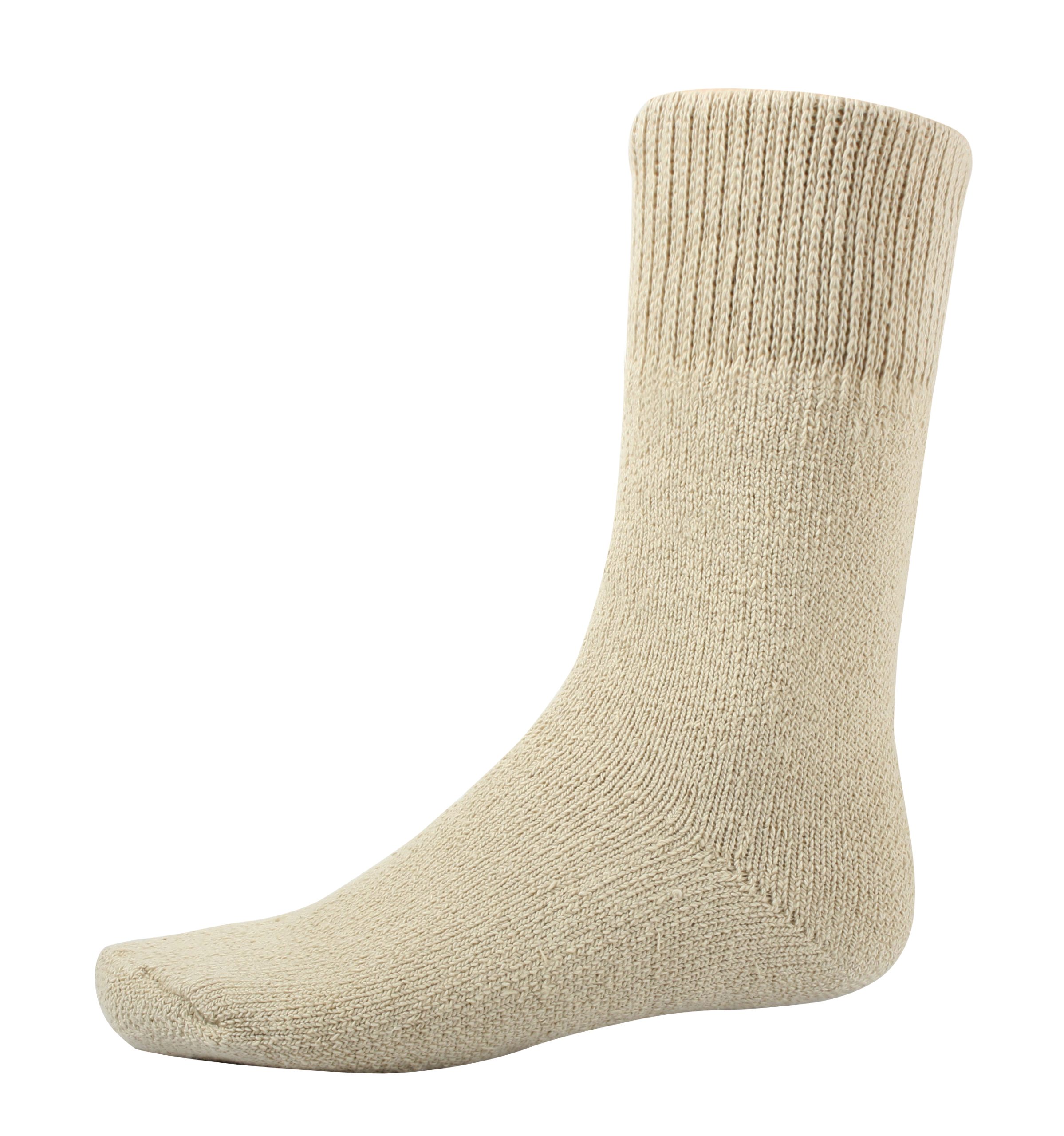
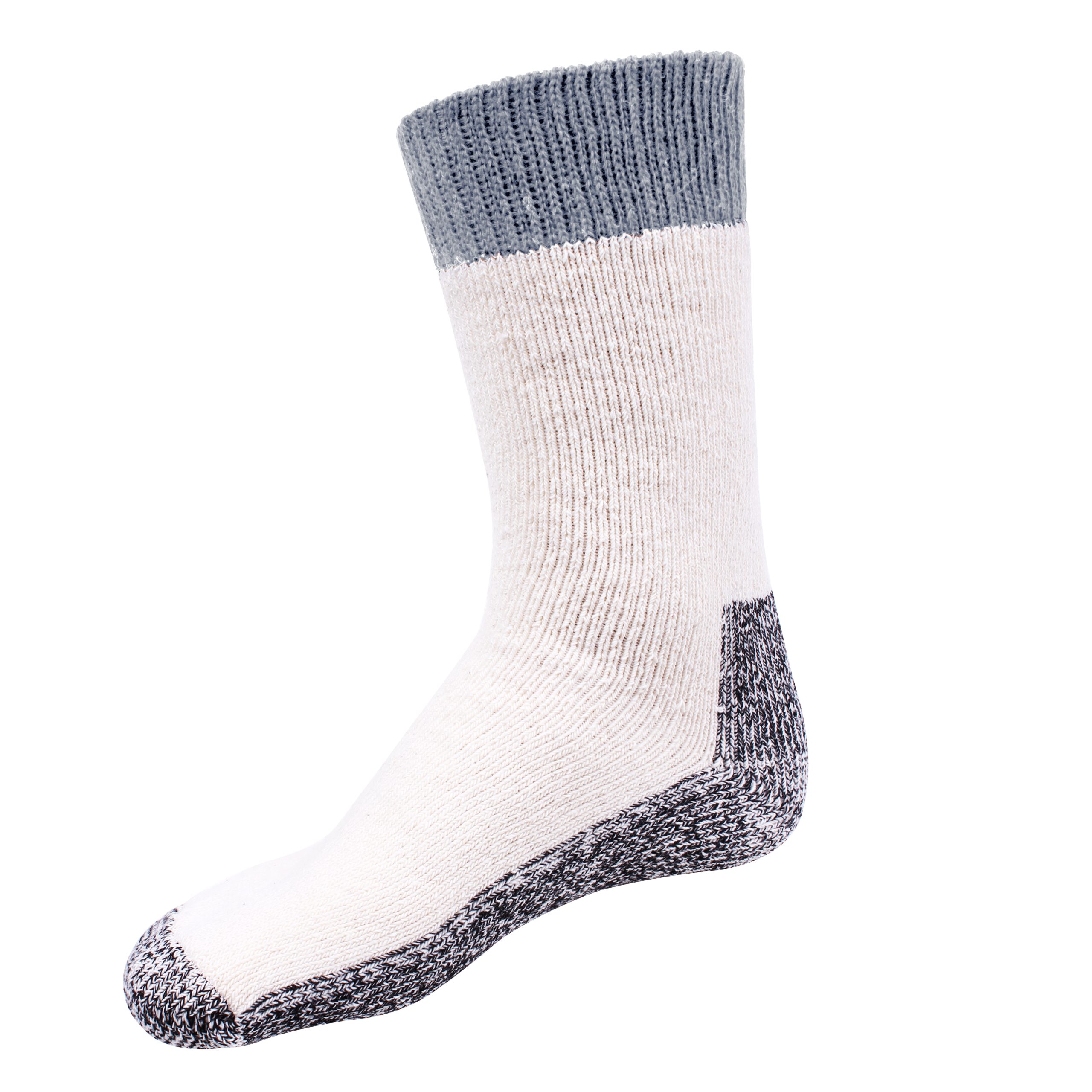
Cold-weather tactical boots incorporate insulation without the weight of heavy industrial winter boots. Rothco’s insulated boot options provide the ankle support and traction needed for icy and snowy terrain. A wool-blend sock inside a well-insulated boot adds a meaningful warmth margin over a standard sock. Cold feet end field days — it’s one of the cheapest upgrades in a cold-weather kit.
Frequently Asked Questions
How many layers do I actually need?
Three: base, mid, outer. Most cold-weather failures come from wearing one heavy layer instead of a managed three-layer system. A single heavy parka soaks with sweat during activity and leaves you colder than a lighter, ventilated layering approach.
What’s the most important piece of cold-weather gear?
The layer that’s missing. If you run cold at the head and hands, prioritize a balaclava and better gloves before upgrading your jacket. Identify where you’re losing heat and address that gap specifically.
Can I use Rothco cold-weather gear for work as well as outdoor recreation?
Yes. Rothco’s cold-weather lineup is designed for functional use — military specification construction that holds up to repeated field days, work environments, and outdoor recreation without being purpose-built for just one of those categories.
Related guides: Winter Operations Gear · Hunting & Outdoors · Camping & Survival Essentials