
First Aid & Safety Kit
A first aid kit you never open is still one of the best investments you can make. When you need it, you need it immediately and completely — not half-assembled from the back of a cabinet. This guide covers building a capable first aid and safety kit from Rothco gear, scaled to your environment and risk profile.
Build a capable first aid and safety kit — trauma kits, medical bags, gloves, safety accessories, and essentials for work, home, and the field.
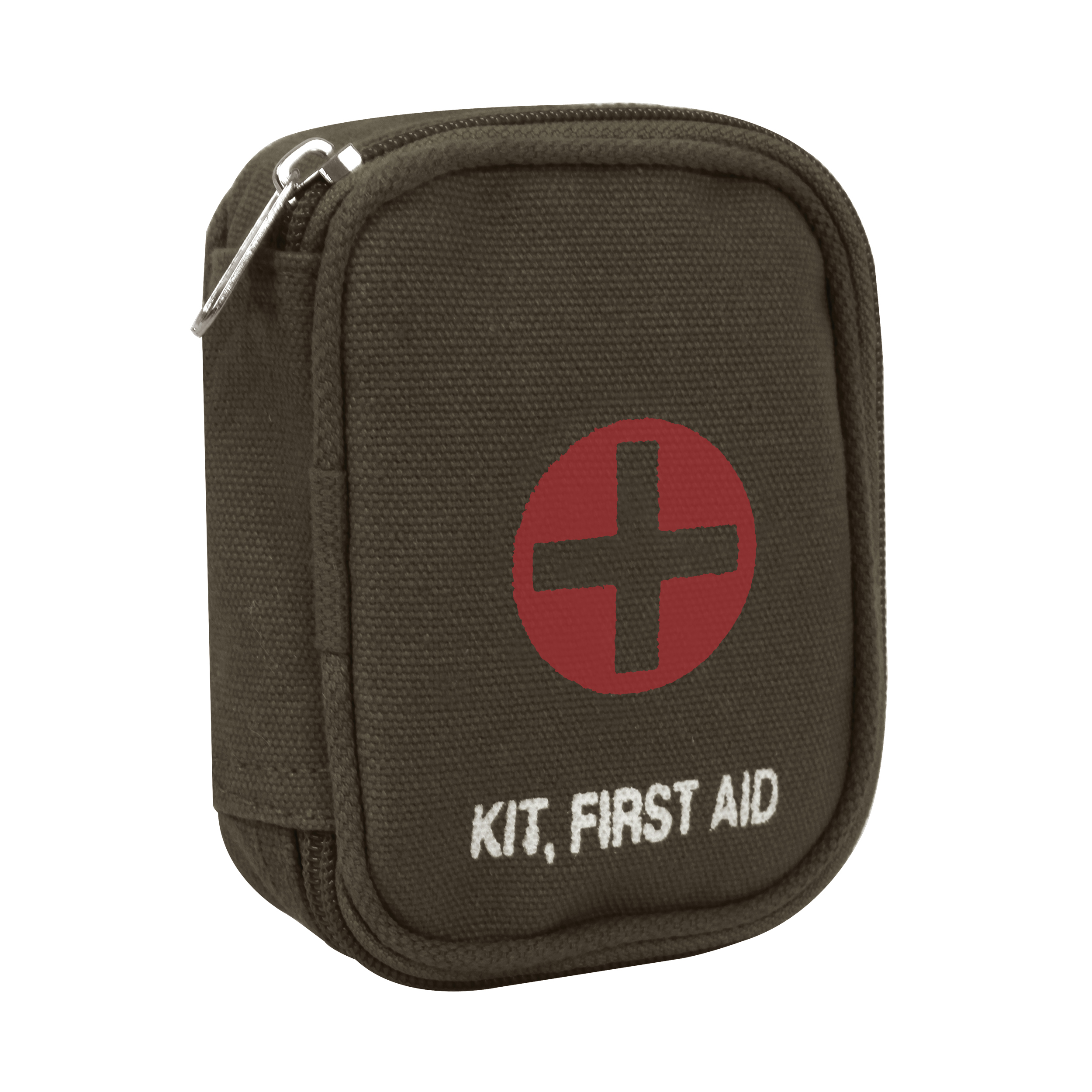
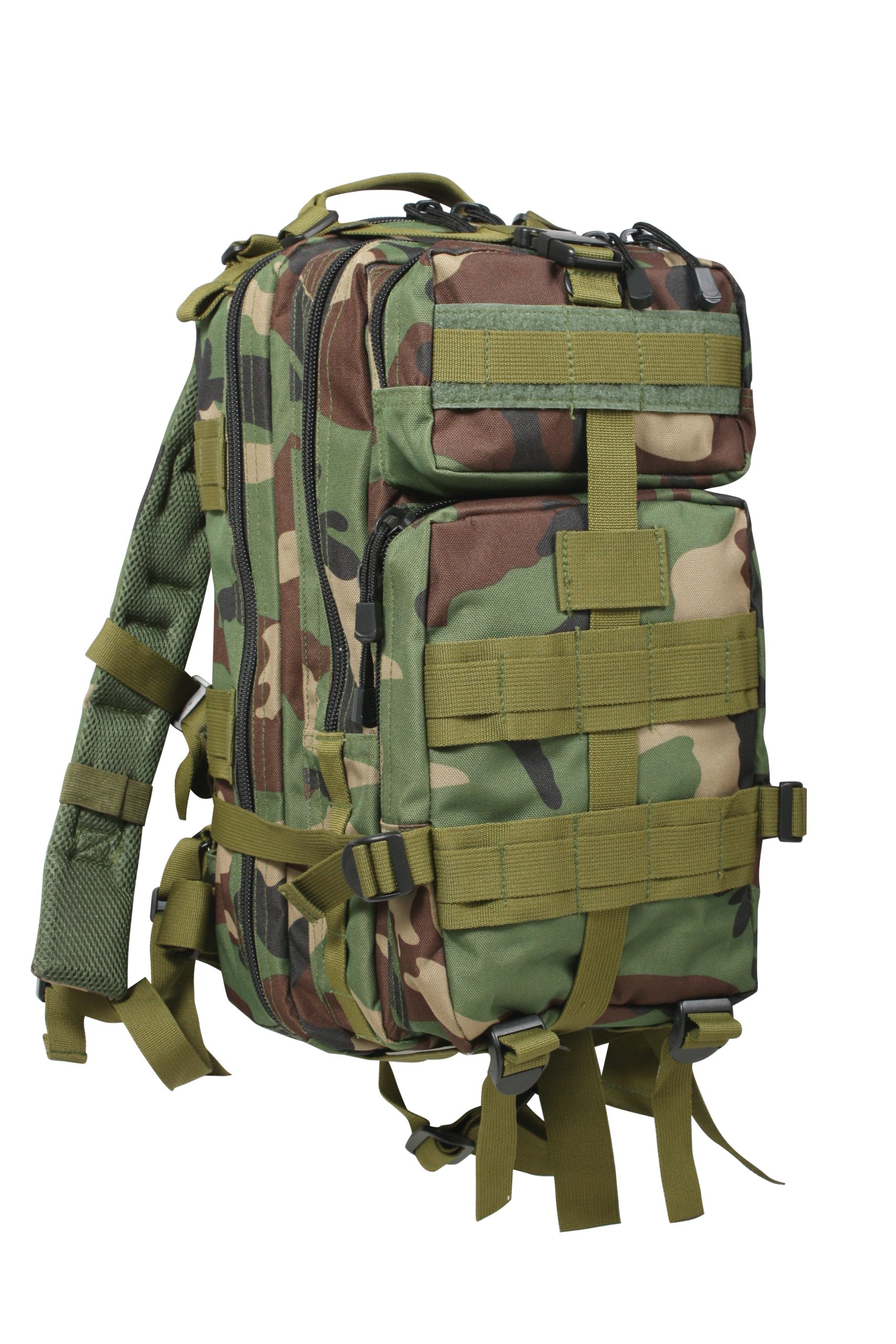
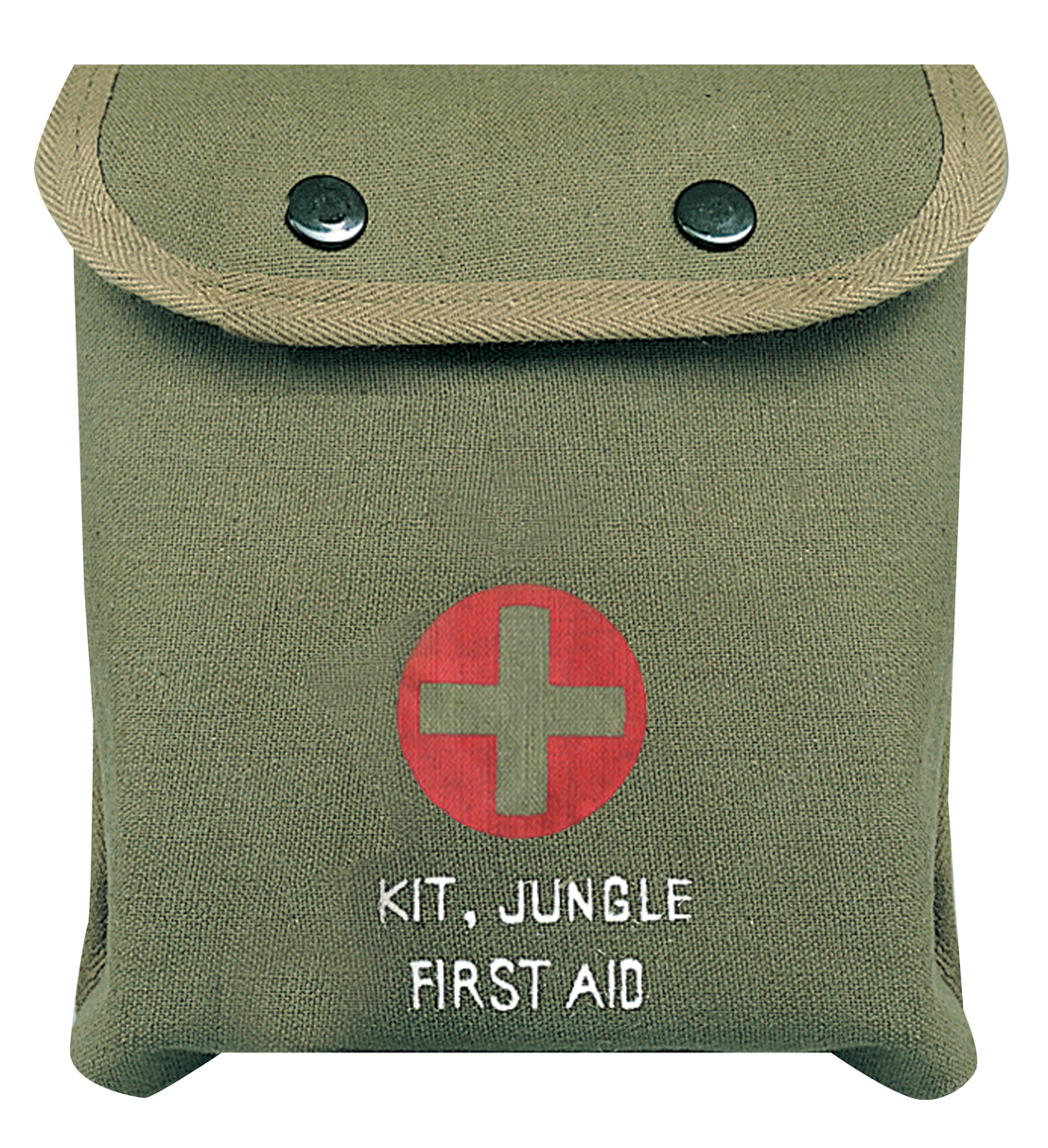
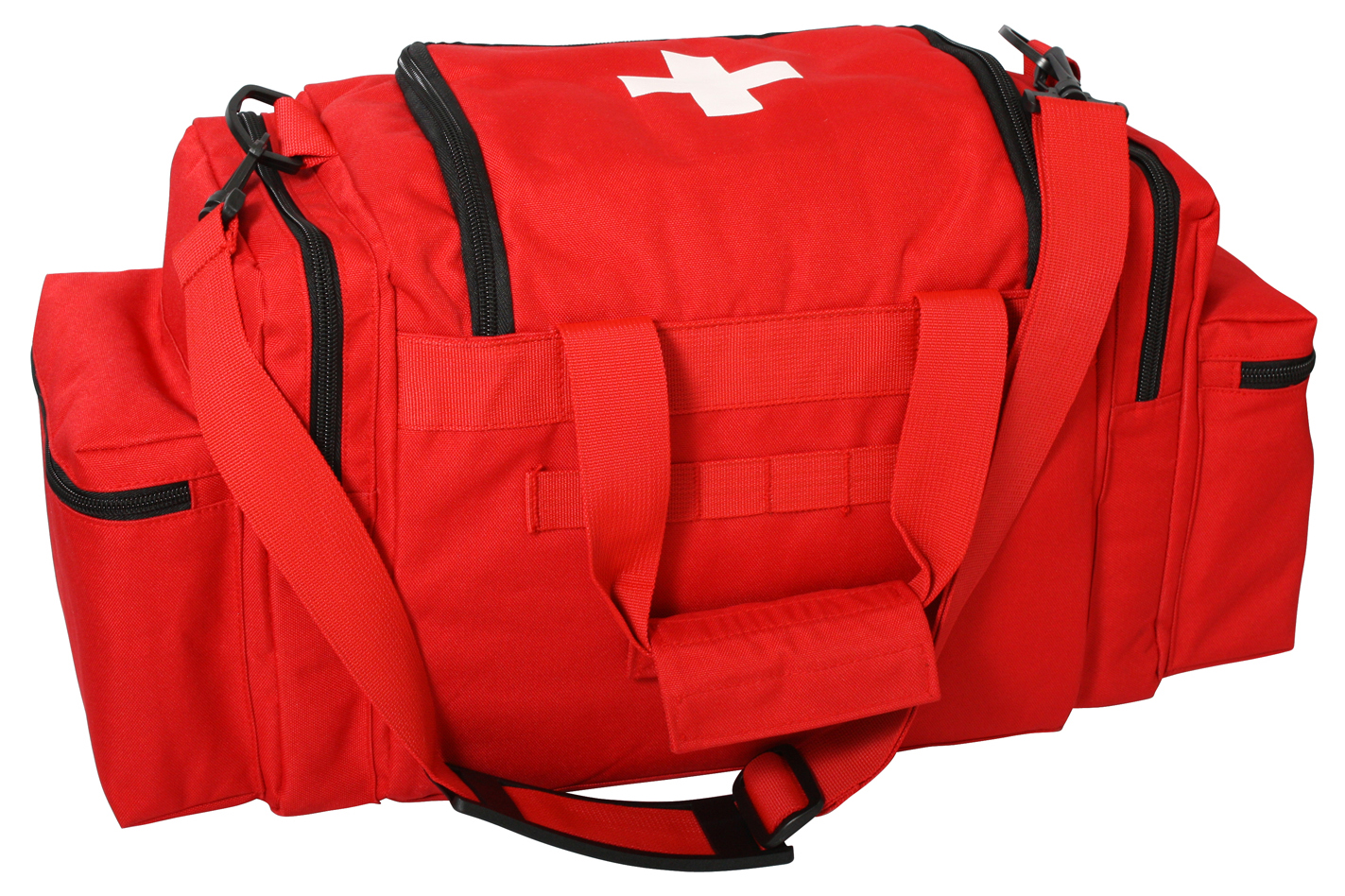
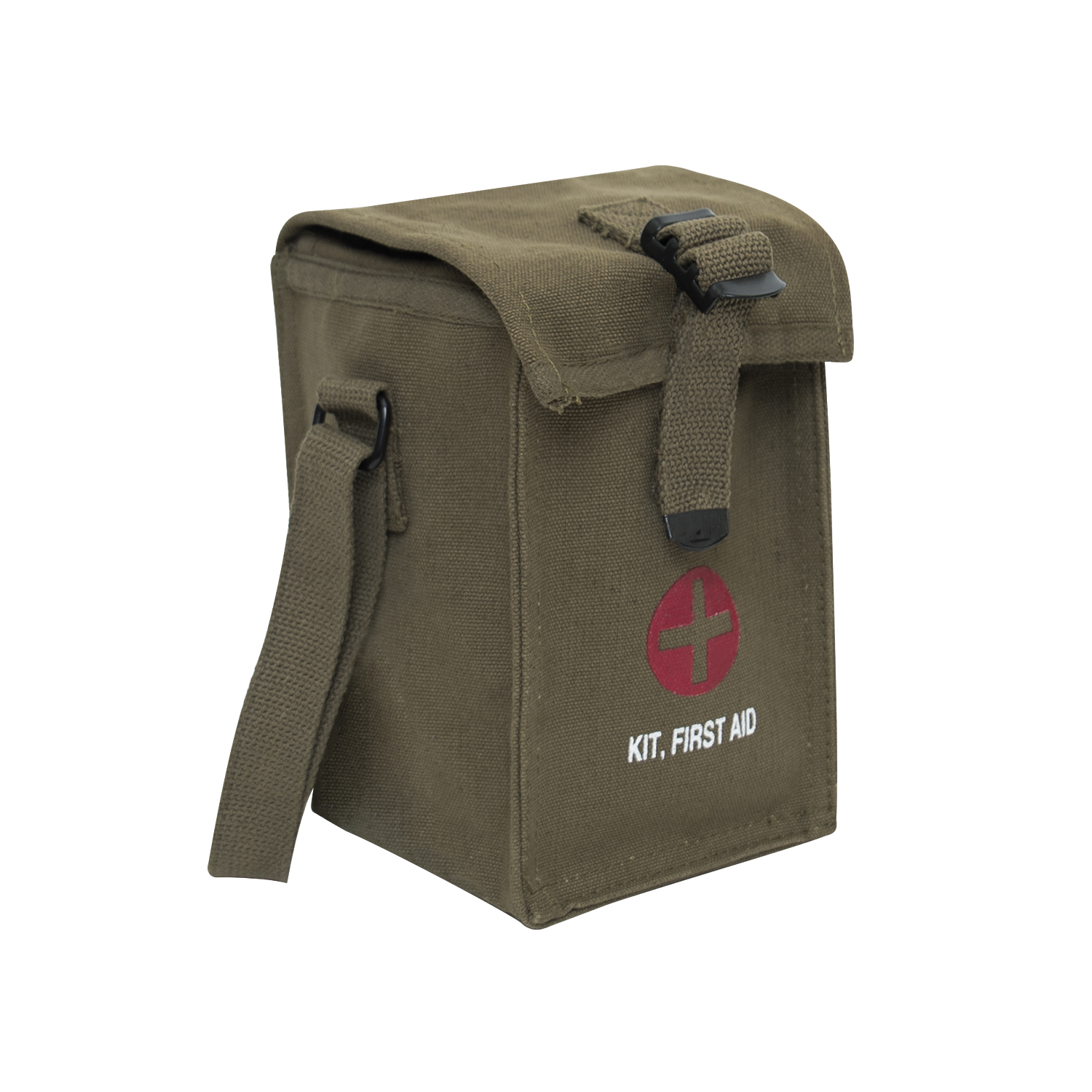
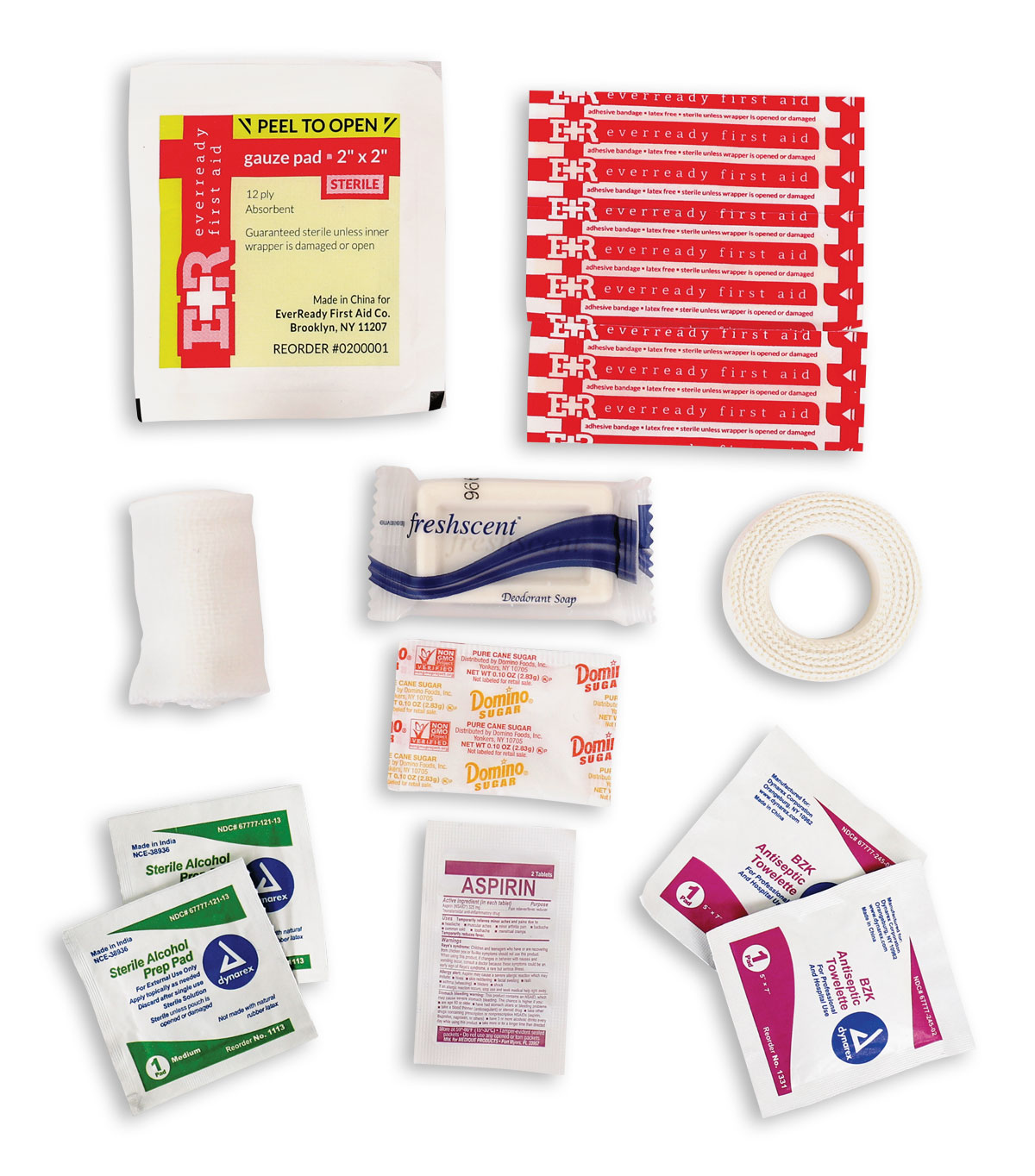
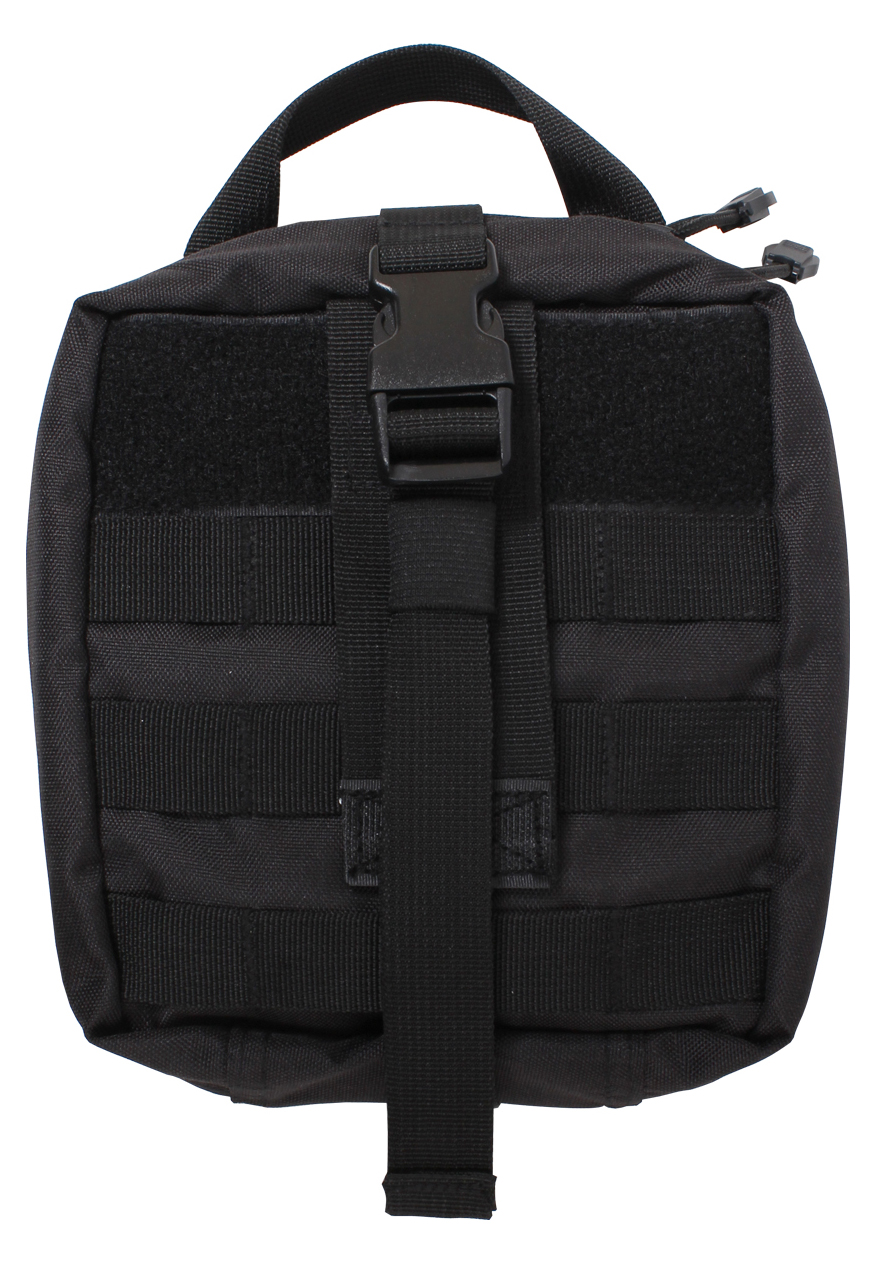
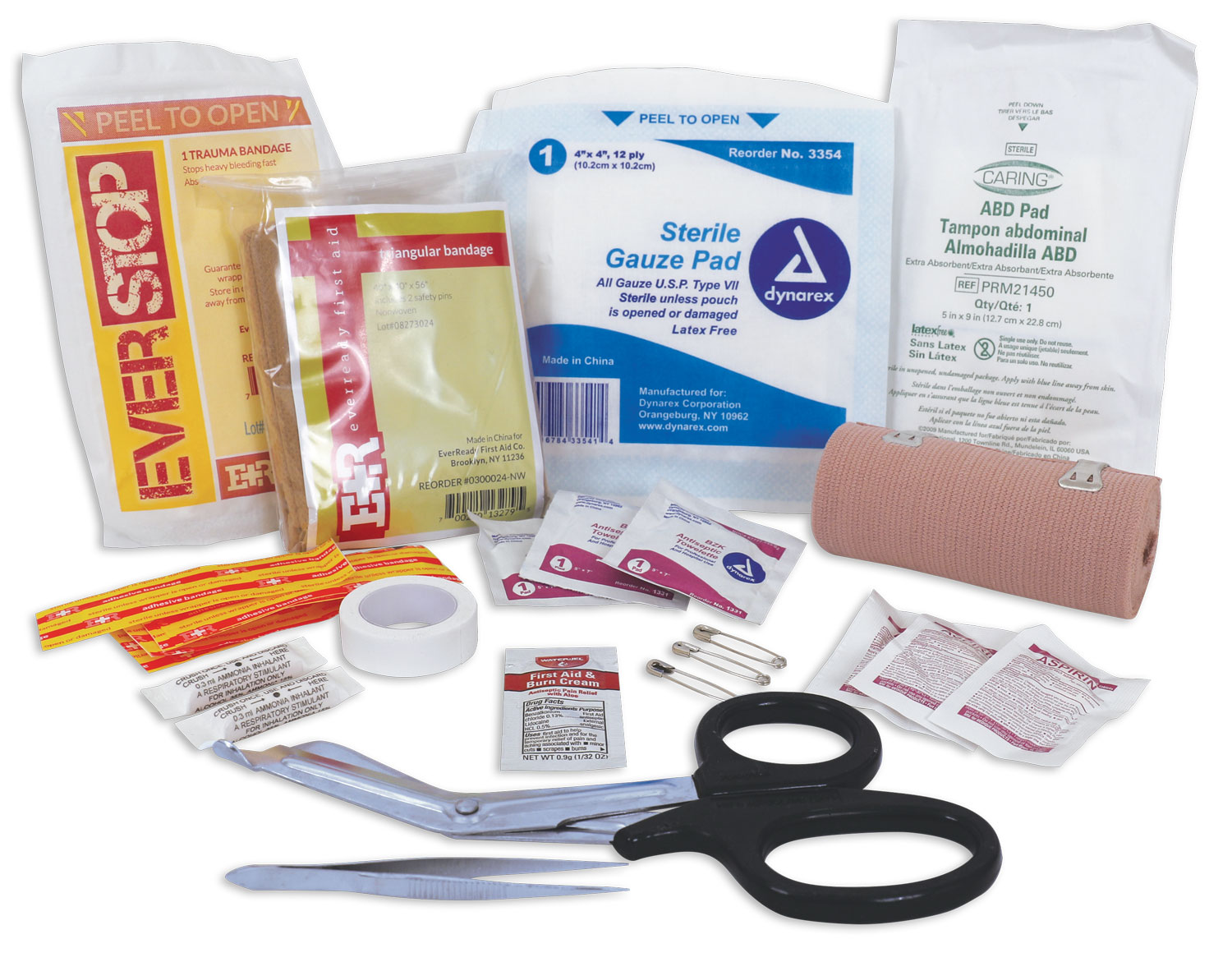
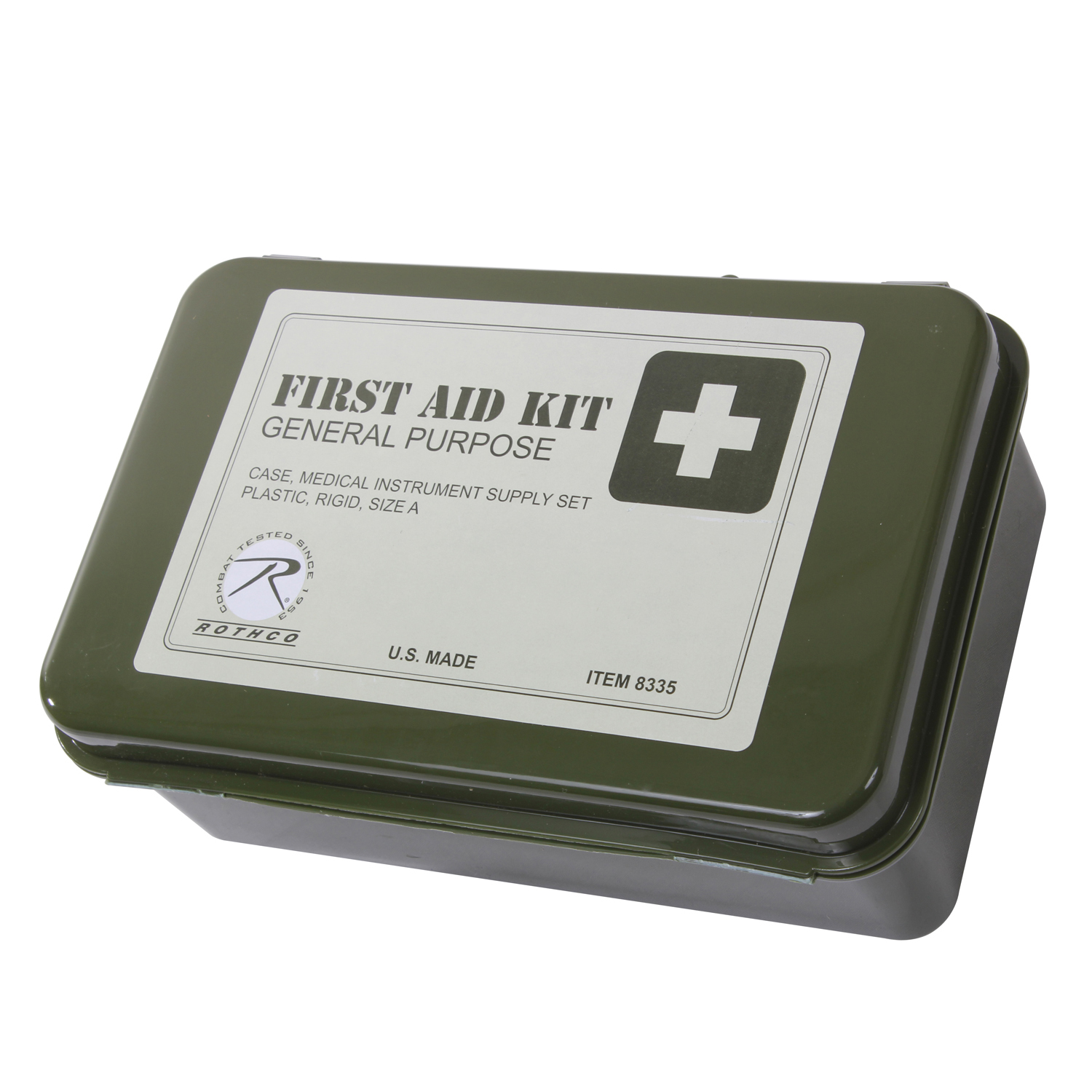
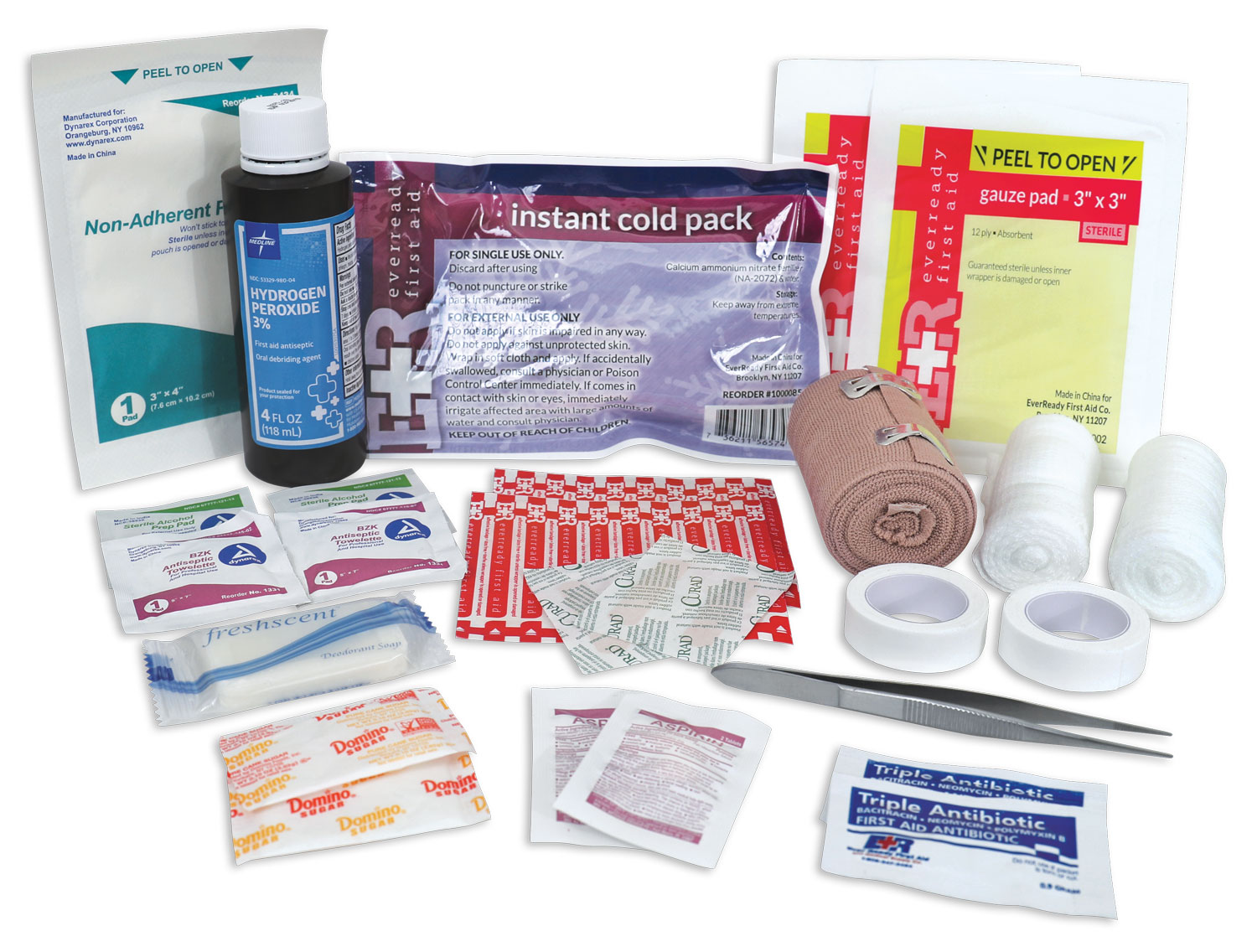
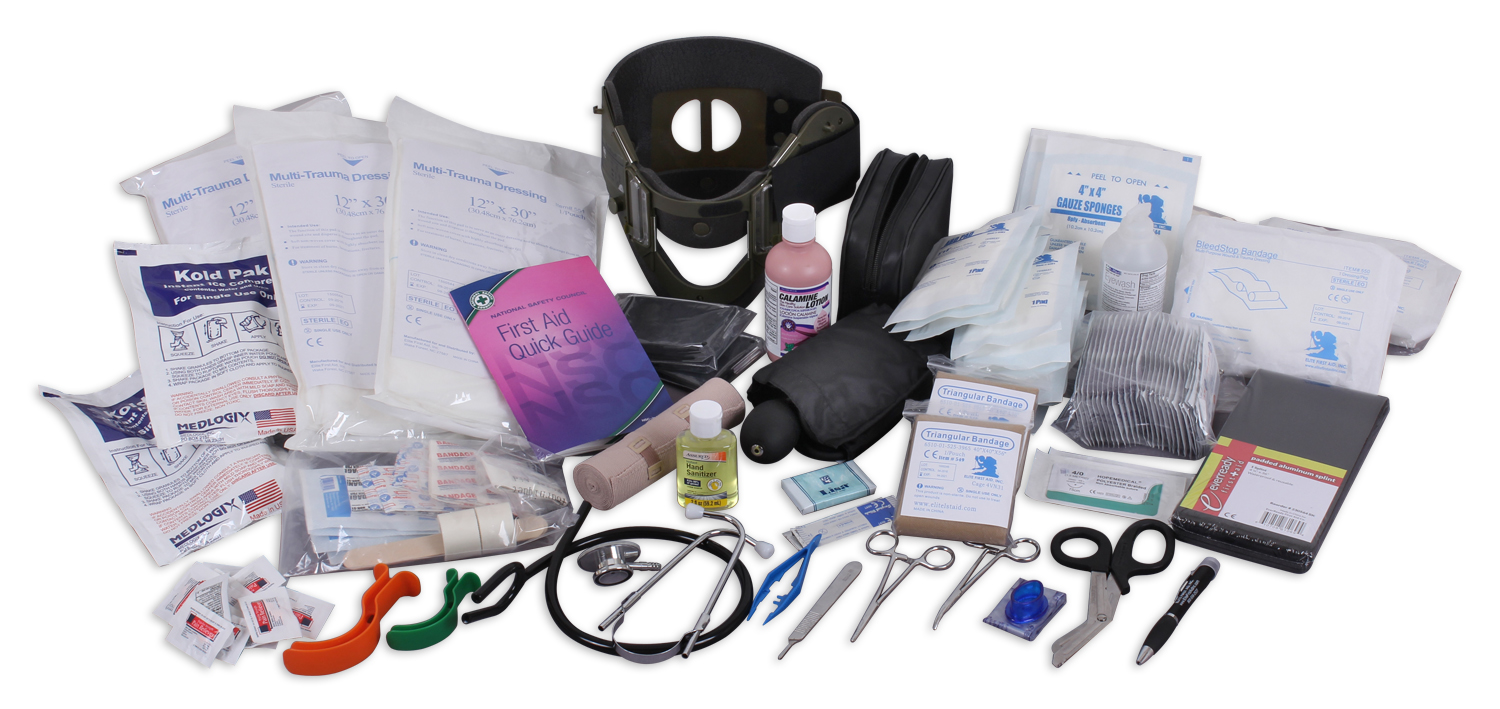
Tiers of First Aid Capability
Not every kit needs to be a trauma kit. A home kit covers cuts, burns, and minor injuries. A workplace kit adds more bandaging and burn care capacity. A field or trauma kit adds the components to manage life-threatening bleeding before professional help arrives. Identify which tier your environment requires and build to that standard — not below it because it’s cheaper, and not above it in ways that add cost and complexity without matching your actual risk.
The Trauma Tier
For anyone who spends time in remote environments, works in hazardous occupations, or carries a firearm, a trauma-capable IFAK is appropriate. The minimum components are a tourniquet, wound packing gauze, a chest seal (vented, two-pack), a pressure bandage, and nitrile gloves. Rothco’s trauma pouches and IFAK carriers keep these organized and accessible on a belt, vest, or bag — they do no good buried in a pack you have to open and dig through.
Organization
A first aid kit that can’t be accessed quickly in an emergency is less useful than a smaller, well-organized kit. Rothco’s MOLLE medical pouches and trauma bags use labeled, color-coded organization so critical items can be located without unpacking the whole kit. For vehicle kits, mount a dedicated medical pouch in a consistent location every time — center console, under the seat, or on the seat back — and don’t let it become general storage.
Gloves and Infection Control
Nitrile gloves are the baseline for any first aid situation involving contact with another person’s blood. Keep multiple pairs in every kit — they tear, and double-gloving provides a meaningful additional barrier. Rothco’s tactical gloves over nitrile add cut resistance for situations involving broken glass or sharp metal. For CPR-capable responders, a face shield rounds out the basic infection control kit.
Frequently Asked Questions
How often should I check my first aid kit?
Twice a year. Medications expire, bandages degrade, and items get borrowed. The kit that was complete when you assembled it two years ago probably isn’t complete now. Review every kit on a schedule — when you change your clocks is an easy reminder.
Where should I keep a tourniquet?
Within arm’s reach in any environment where high-velocity injury is possible — firearms, power tools, vehicle accidents. The time from major arterial injury to death can be under three minutes in serious cases, which is faster than emergency services can respond in most areas. A tourniquet in a bag you have to find and open is significantly less useful than one mounted in a consistent accessible location.
Do I need training to use a trauma kit?
Basic tourniquet and wound packing application can be learned in an hour through a Stop the Bleed course or equivalent training. The technique is simple enough to use under stress without extensive medical background. The investment in a few hours of training turns a trauma kit from a collection of items into a capability.
Related guides: EMT & First Responder Gear · Bug-Out Bag Guide · Vehicle Emergency Kit