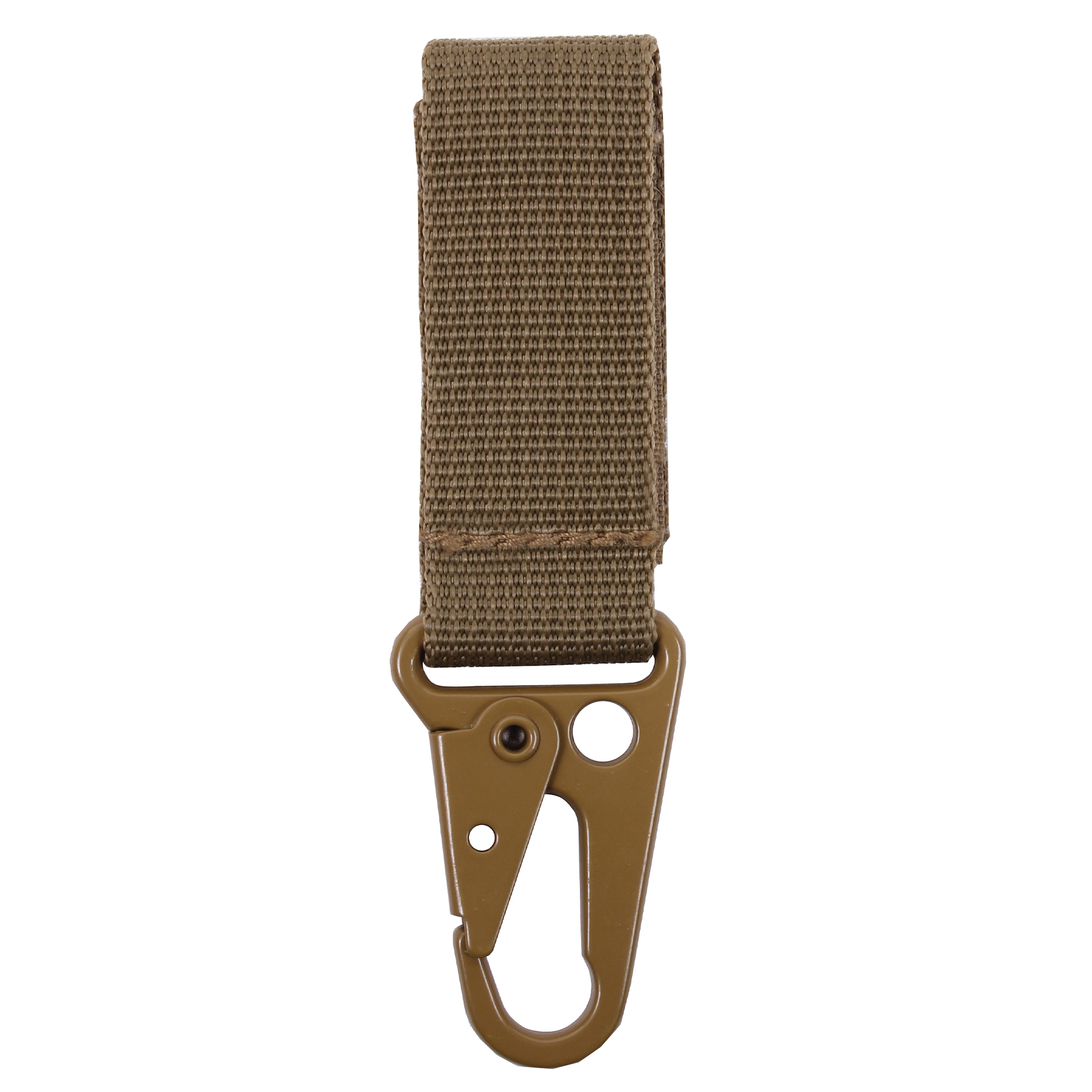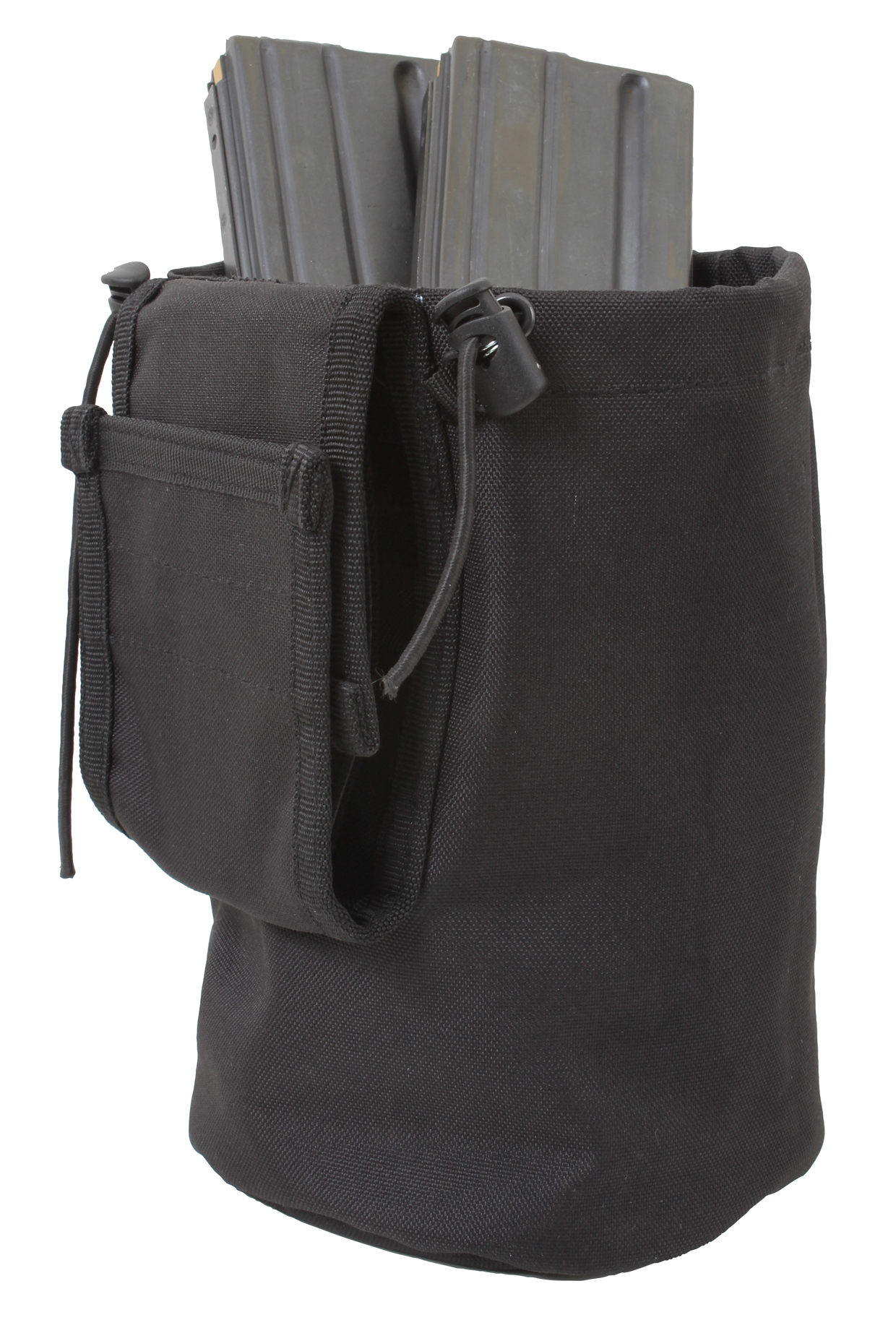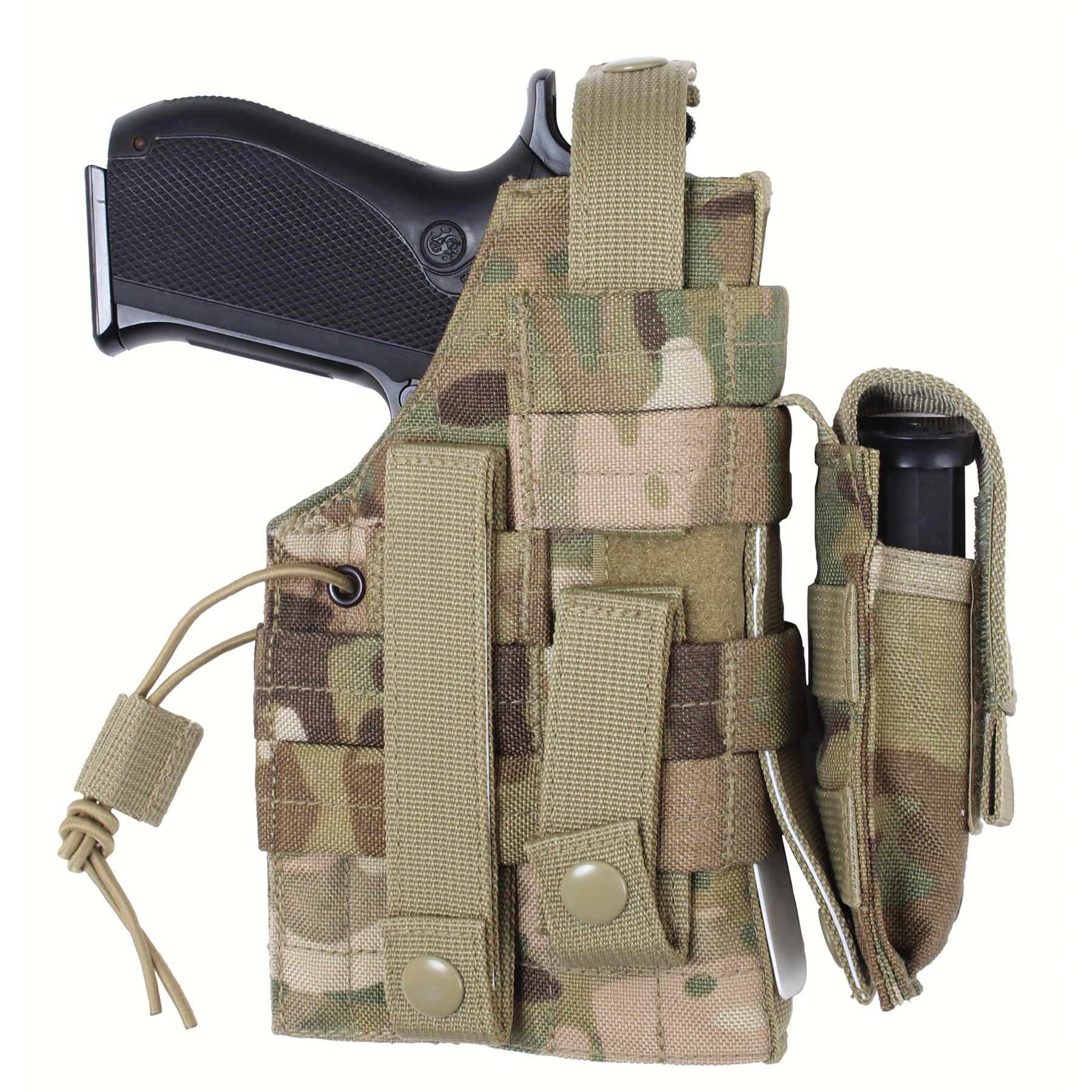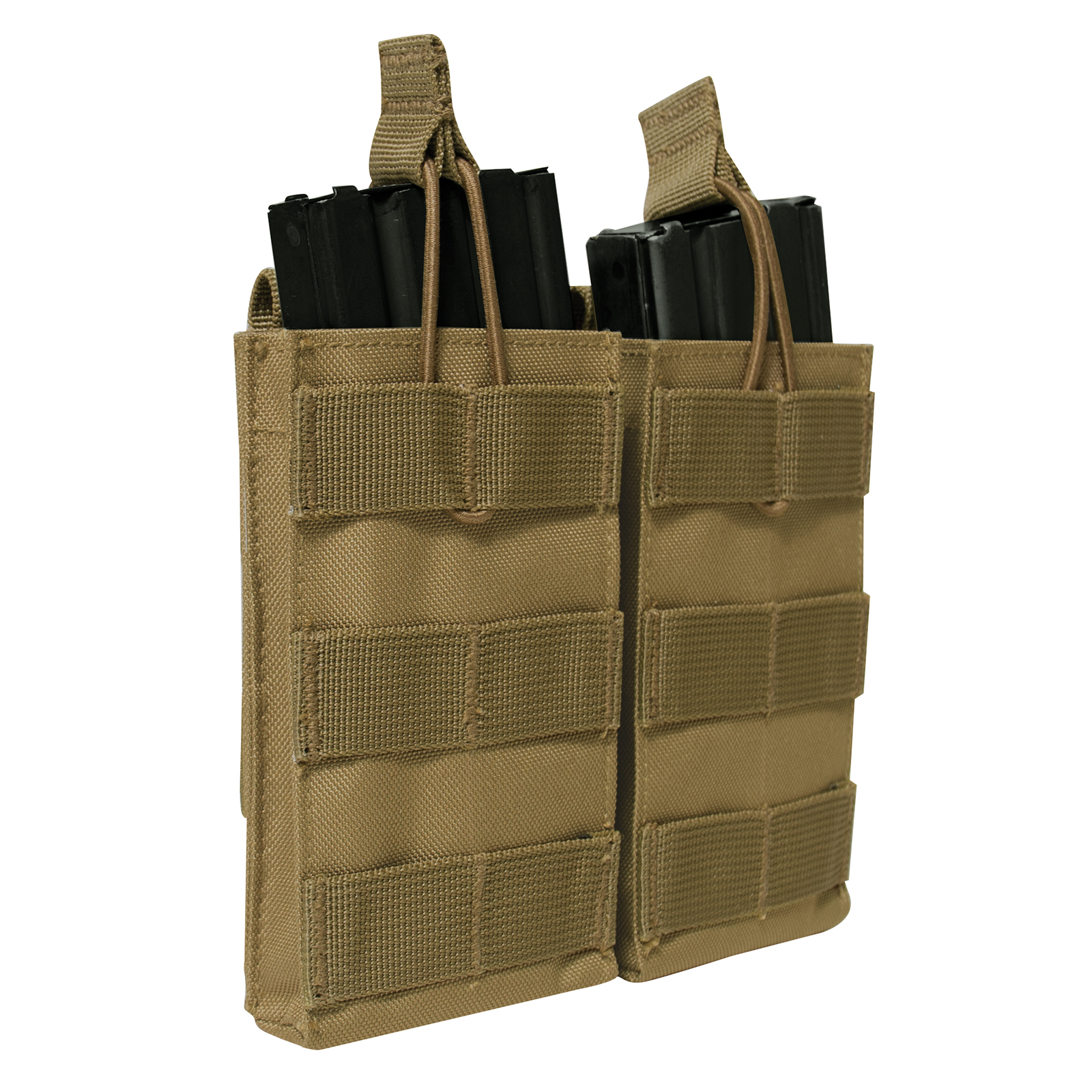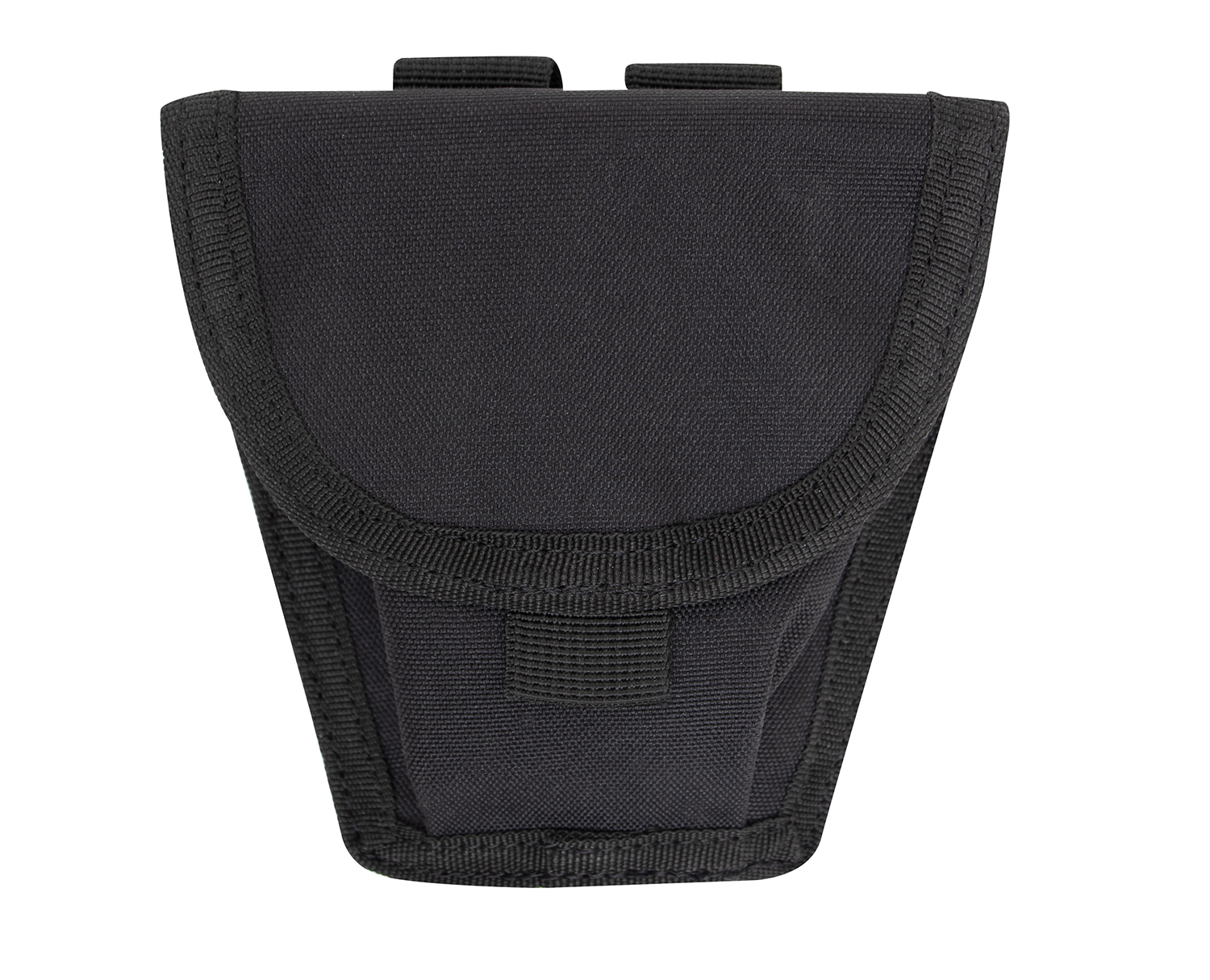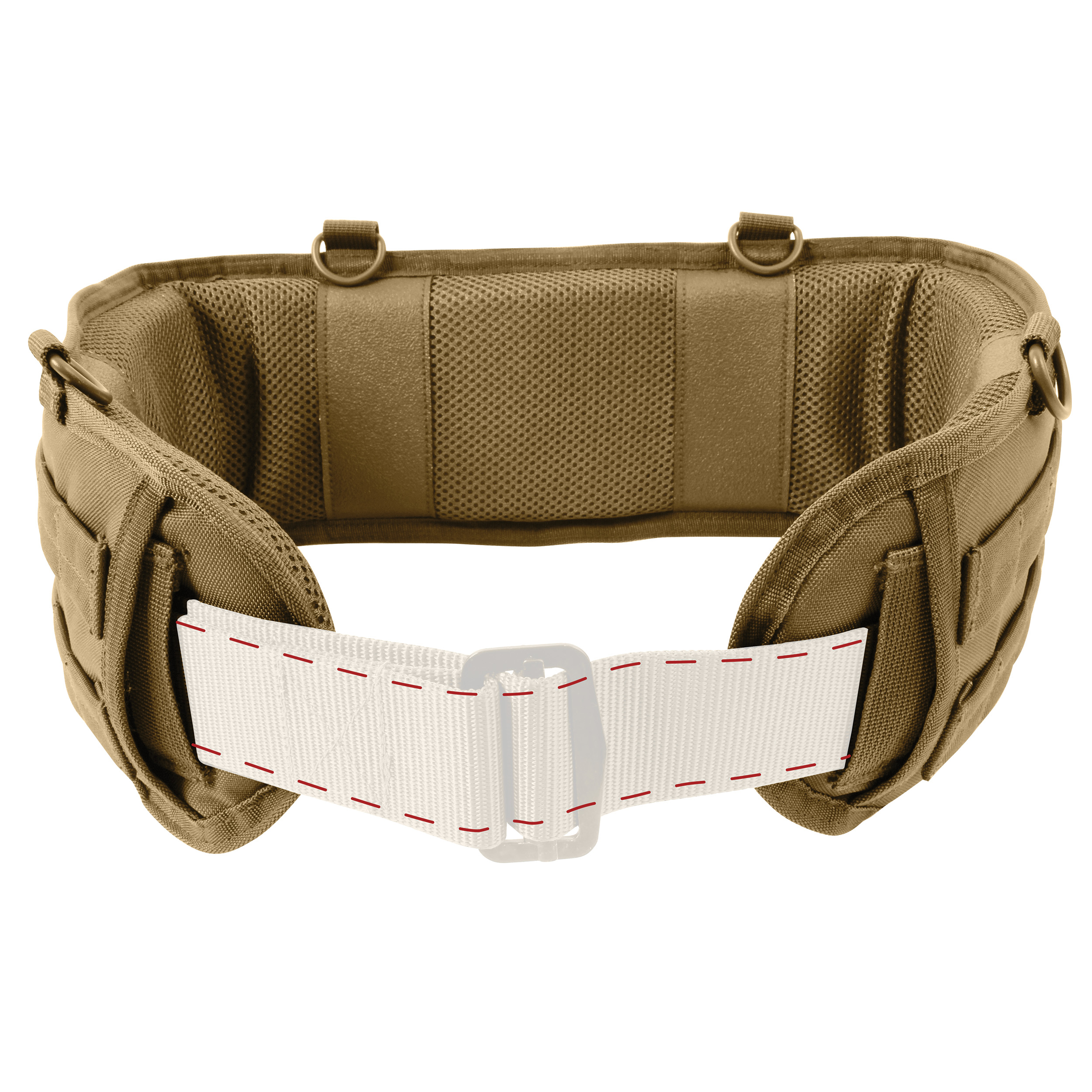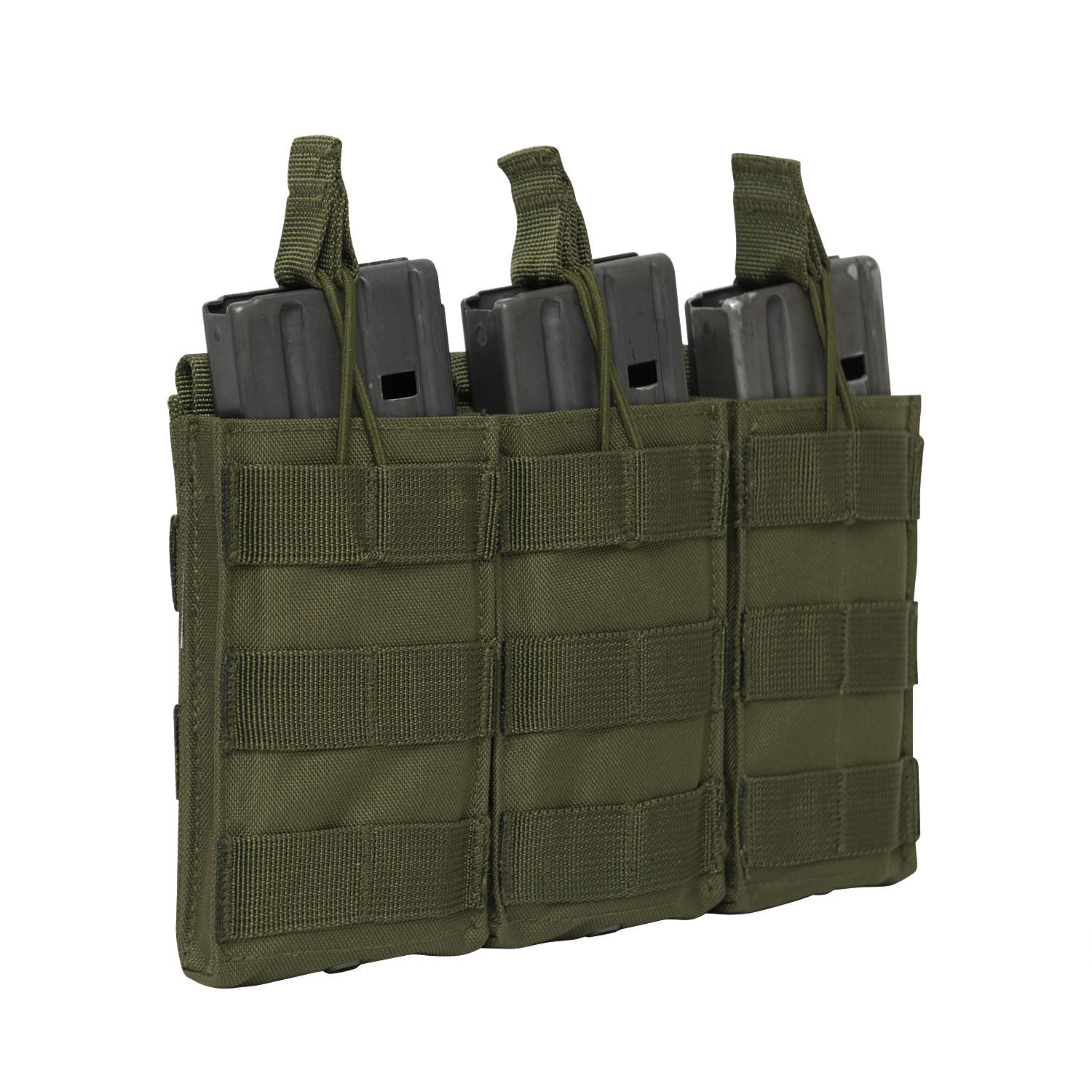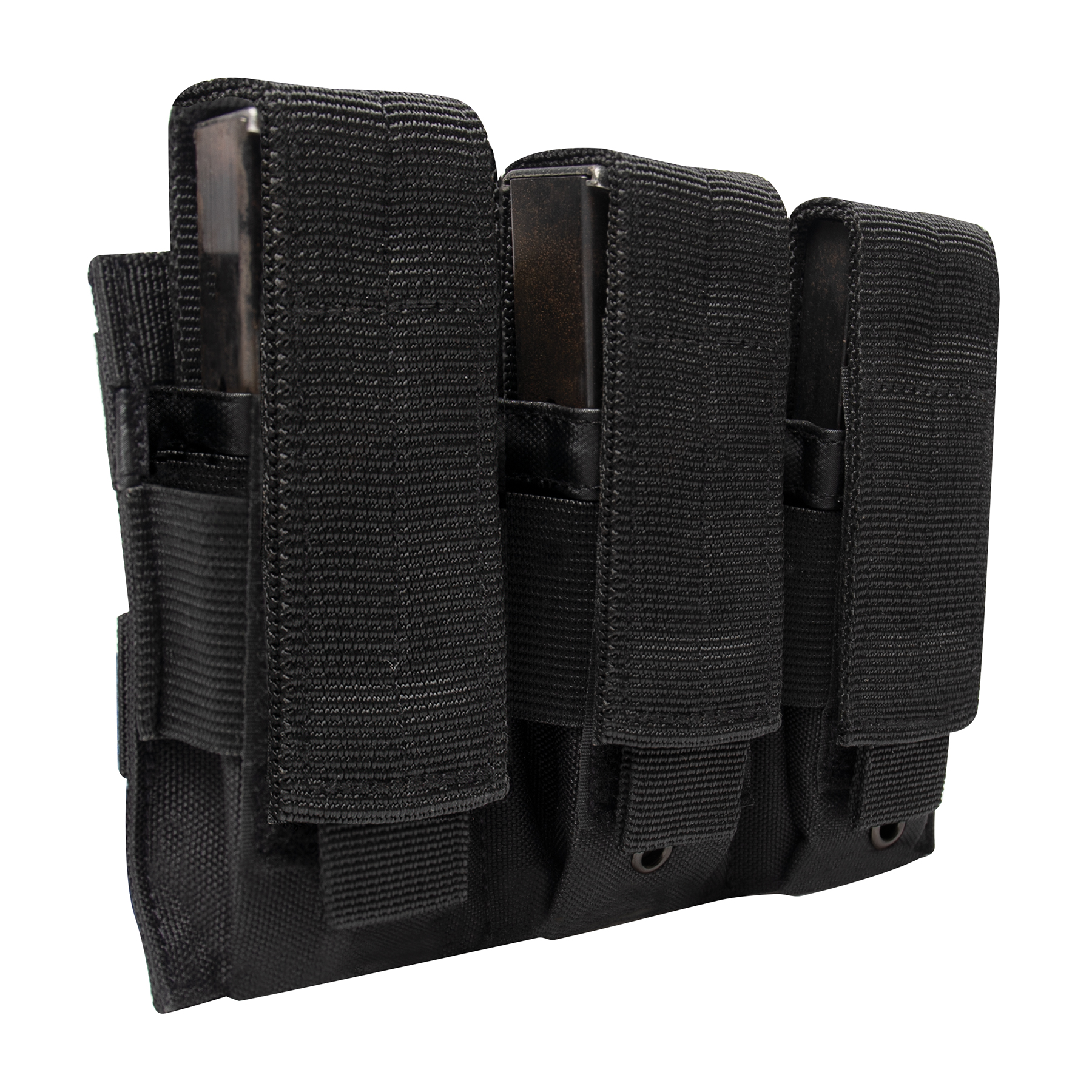
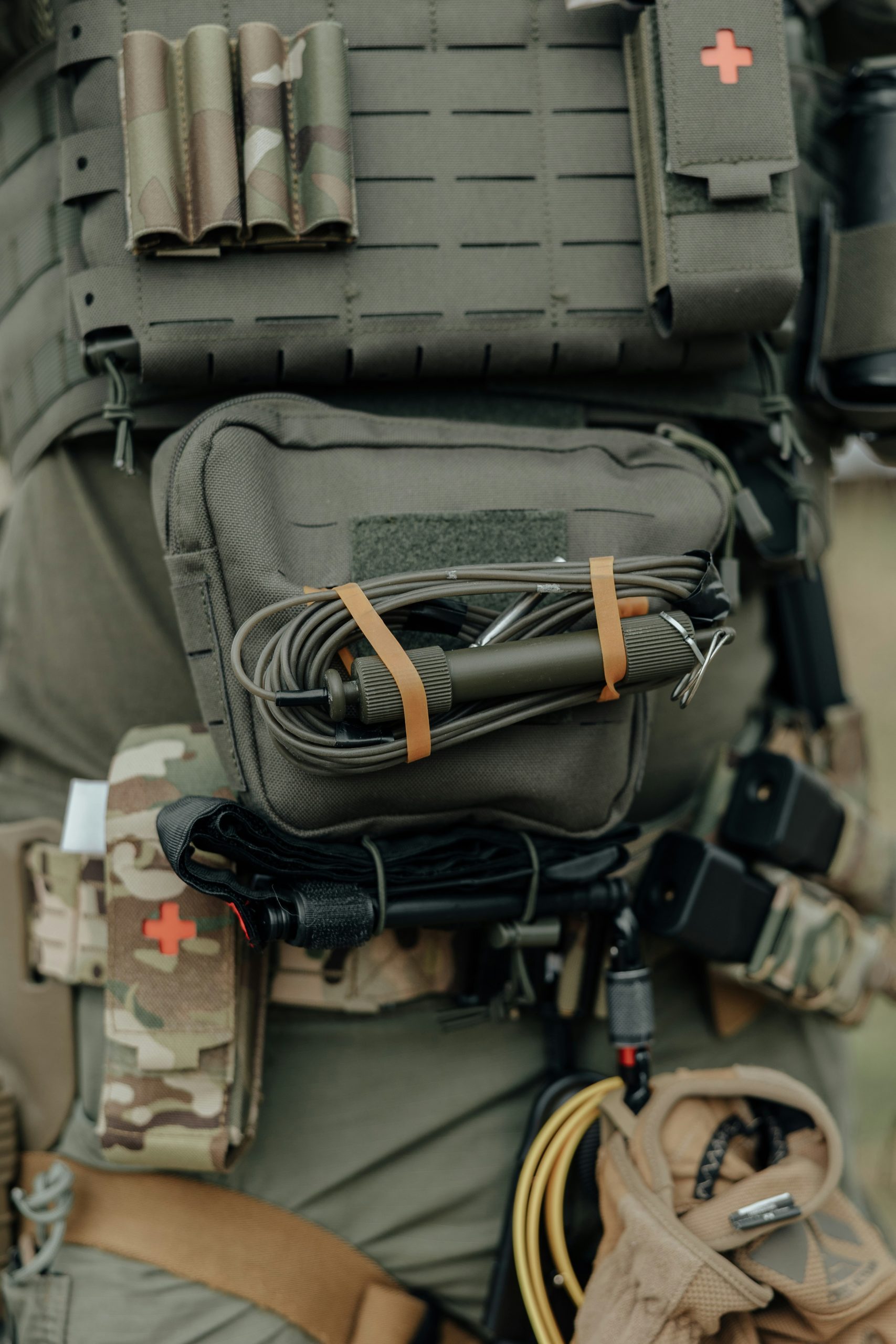
How to Pack a MOLLE Pouch System
A MOLLE setup is only as good as how you pack it. Random pouch placement means fumbling for gear when you need it fast, while a thought-out layout means everything has a place and you can find it without looking.
Core Packing Principles
Frequency of use determines placement. Items you need quickly, like a flashlight or multitool, go on your dominant side or center chest where you can reach them without breaking your line of sight. Items you rarely need, like spare batteries or extra cordage, can go in less accessible spots.
Weight distribution matters for comfort. Heavier pouches like admin pouches with notebooks or larger medical kits should sit closer to your body’s center of gravity, not hanging off to one side where they’ll throw off your balance over a long shift.
Group by function, not by size. Keep all your medical gear in one area, all your tools in another, and all your communication or admin items in a third zone. This way muscle memory builds around function, and you’re not hunting across your whole rig for related items.
Recommended Layout Zones
Front center/dominant side: Primary tools you need fast, flashlight, multitool, or a quick-access pouch for anything you reach for constantly during a shift.
Support side: Medical pouch (IFAK) should be accessible to both hands but commonly sits on the support side so your dominant hand stays free for other tasks.
Lower front/waist: Admin pouch, notebook, pen, radio if you carry one. These get accessed periodically but not in a rush most of the time.
Back/rear panel: Hydration bladder or larger utility pouches that you don’t need instant access to, since reaching behind yourself is slower anyway.
Step-by-Step Setup Process
- Lay out your gear and sort by how often you’ll need each item during a typical shift.
- Identify your dominant hand and plan your fastest-access pouches around that side.
- Attach your medical pouch first, since this placement should never be an afterthought.
- Weave larger pouches onto your platform before smaller ones, working from the heaviest items inward toward your body.
- Test the setup by sitting, kneeling, and reaching across your body. Adjust anything that catches, digs in, or blocks movement.
- Do a final pass and tighten all straps so pouches don’t shift or sag during movement.
Maintenance and Adjustments
Revisit your layout after a few shifts. What seemed logical on paper sometimes doesn’t hold up once you’re actually moving, sitting in a vehicle, or reaching for gear under pressure.
Don’t overload your rig just because you have MOLLE space available. Extra pouches add weight and bulk that slows you down, and a cluttered platform is harder to navigate quickly than a minimal one.
FAQ
Where should I put my IFAK on a MOLLE rig?
Most people place it on the support side where both hands can reach it, keeping your dominant hand free for other tasks.
How do I decide what goes on MOLLE versus in a backpack?
Anything you need quick access to during active use belongs on your MOLLE rig. Items you only need occasionally or at the end of a shift can stay in a backpack.
Is there a standard order for attaching MOLLE pouches?
Start with your most critical items (medical, primary tools) and attach larger pouches before smaller ones, working inward toward your body for weight distribution.
How many pouches is too many on a MOLLE setup?
If you can’t name what’s in every pouch without thinking, or if gear shifts and bounces during movement, you likely have too much attached.