
Soft Shell vs Hard Shell Jacket: Which to Choose?
Picking between a soft shell and a hard shell jacket comes down to one question: are you dealing with active movement in changing conditions, or do you need a barrier against the worst weather can throw at you? They’re built for different jobs, and using the wrong one in the wrong conditions gets uncomfortable fast.
What Each Jacket Is
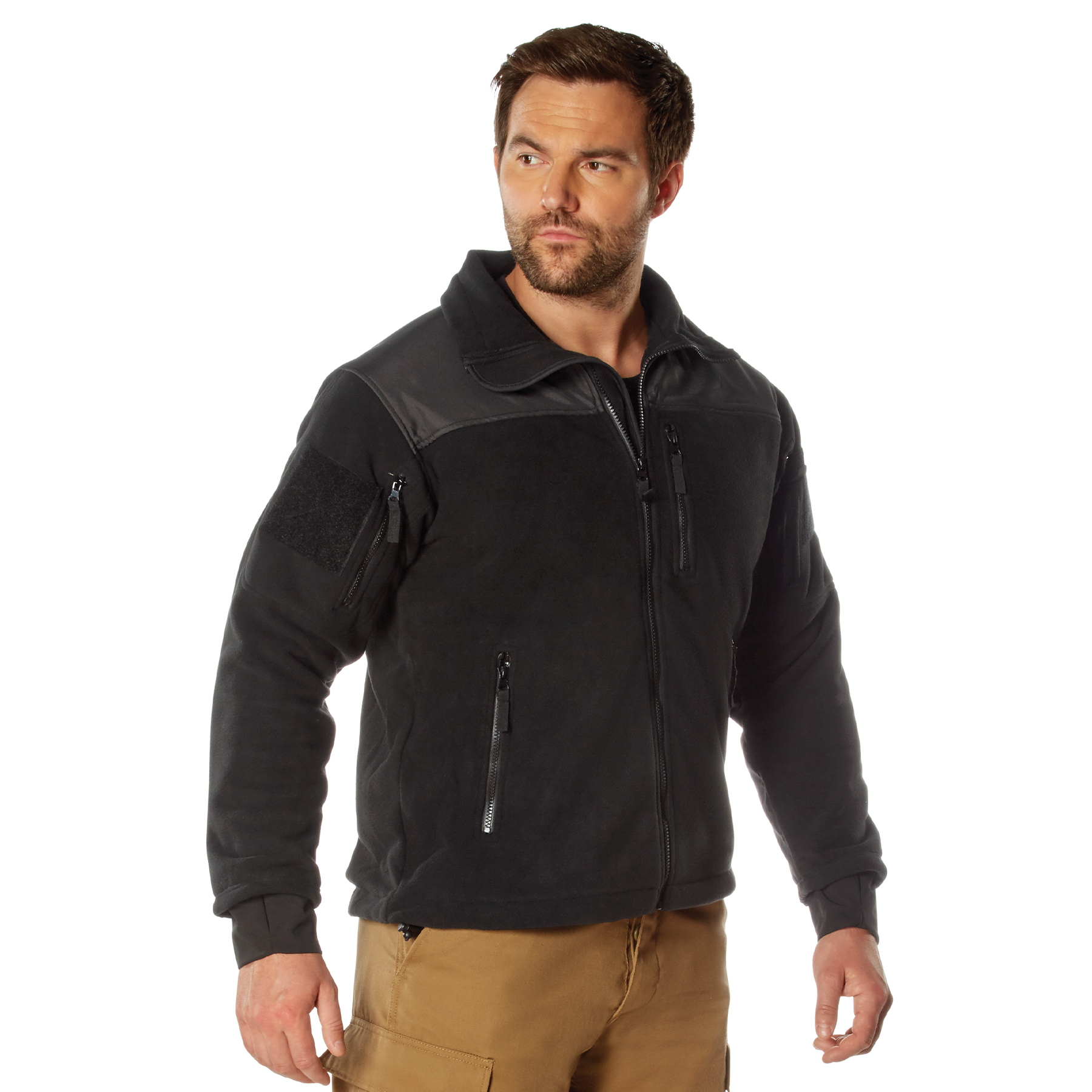
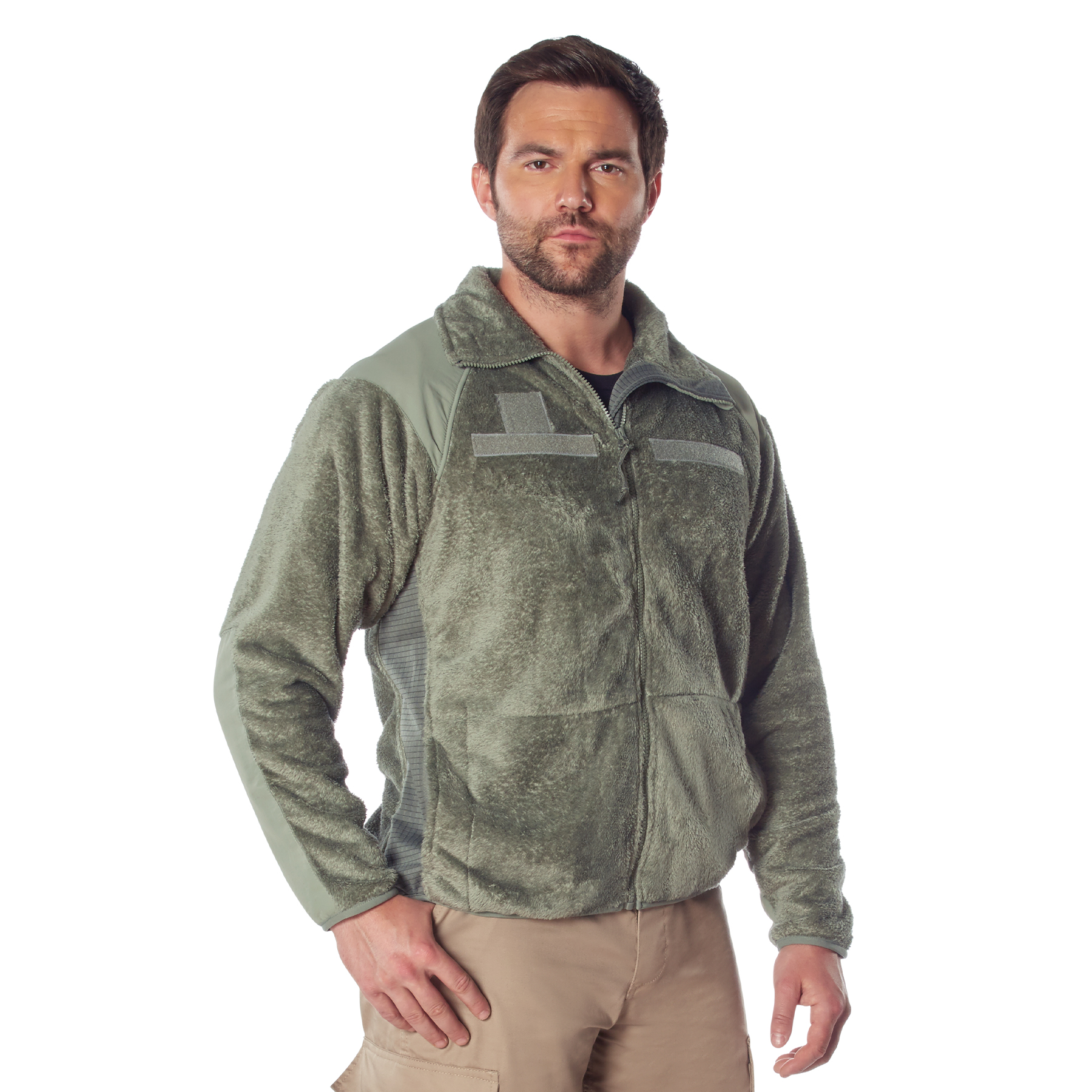
Soft shell jackets use a stretchy, often fleece-lined or brushed fabric that breathes well and offers some wind and light moisture resistance. They’re built for comfort during movement, layering easily and flexing with your body.
Hard shell jackets use a stiffer, non-stretch outer fabric, often with a waterproof membrane or coating, designed to block wind and rain completely. They sacrifice breathability and flexibility for weatherproofing.
Side-by-Side Breakdown
Breathability. Soft shells win here by a wide margin. The fabric allows sweat vapor to escape during physical activity, which matters if you’re hiking, working, or moving for extended periods. Hard shells trap heat and moisture against your body unless they have pit zips or other ventilation features.
Weather protection. Hard shells are built for sustained rain and wind, with sealed seams and waterproof membranes that soft shells simply can’t match. A soft shell might handle light drizzle, but it’ll soak through in a real downpour.
Durability. Both hold up well, but hard shells tend to resist abrasion better due to their stiffer construction, while soft shells can pill or wear at high-friction points like shoulders carrying a pack.
Cold weather work. Soft shells are generally more comfortable for active work in cold but dry conditions, since they move with you and don’t trap as much sweat. Hard shells are better as an outer layer over insulation when you’re dealing with wet, windy cold, even if you’re not moving much.
The Call
If your work involves a lot of movement, like hiking, patrolling, or physical labor, and the weather is more cold and dry than wet, a soft shell will keep you comfortable without overheating.
If you’re dealing with rain, sleet, or sustained wind, especially if you’re standing still for long periods, a hard shell is the better investment. Layer it over insulation and it becomes your weather barrier for the worst conditions.
FAQ
Can a soft shell jacket get you through rain?
Light rain or drizzle, briefly. Sustained rain will eventually soak through a soft shell’s fabric.
Are hard shell jackets good for hiking?
They work, but you’ll likely overheat during active hiking unless the jacket has good ventilation options like pit zips.
Do I need both a soft shell and a hard shell?
Many people who work or spend a lot of time outdoors in varying conditions end up with both, using each depending on the day’s weather.
Which is better for layering?
Soft shells layer more comfortably as a mid layer due to their stretch, while hard shells work best as the outermost layer over insulation.