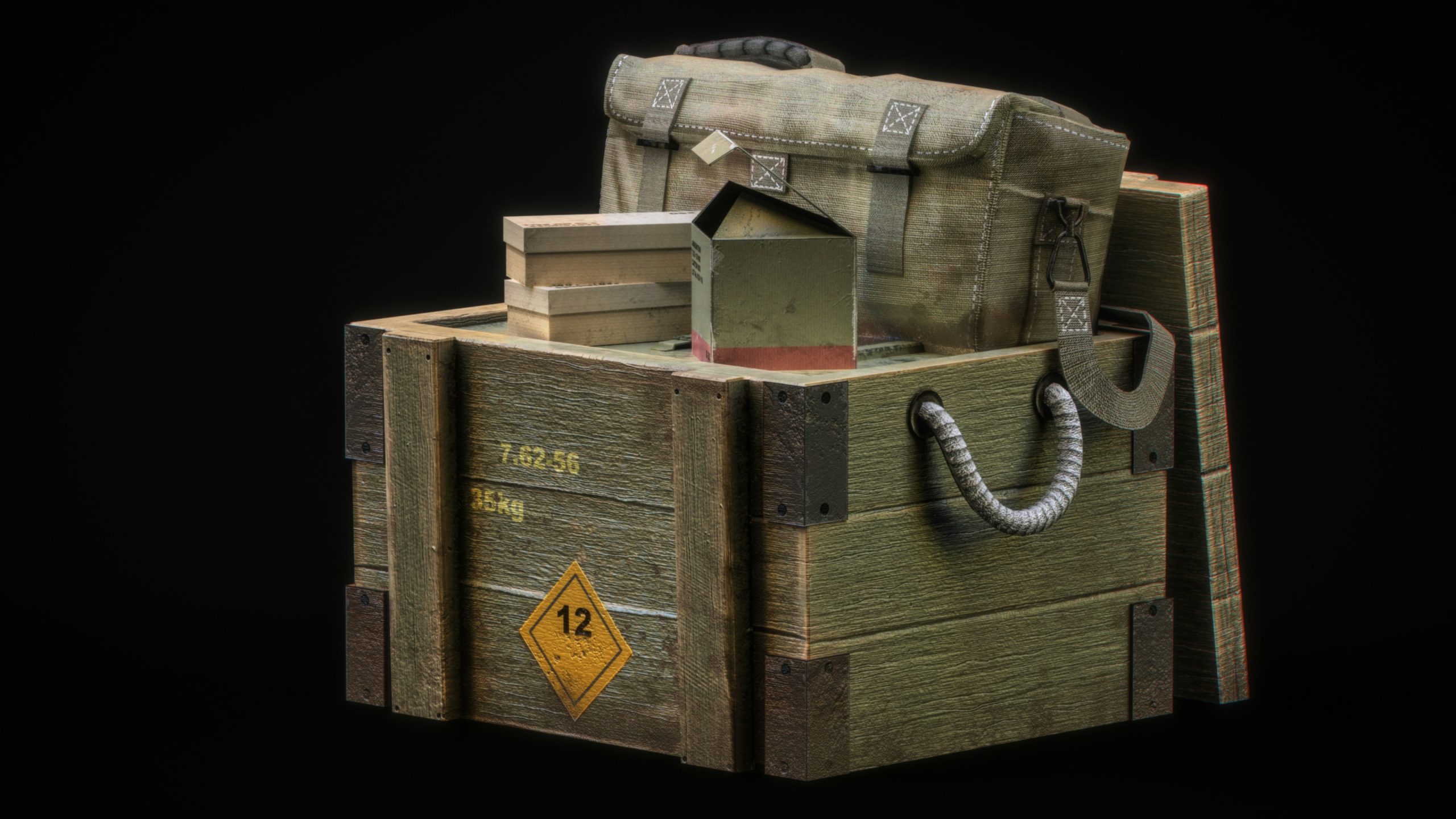
How to Store Military Surplus Gear Long-Term
Surplus gear is built tough, but improper storage still leads to mildew, rust, fabric breakdown, and pest damage. A little prep before storing keeps gear ready to use whenever you need it next.
Step 1: Clean Everything First
Never store gear dirty. Sweat, body oils, and dirt attract pests and accelerate fabric breakdown. Wash clothing and canvas items according to care instructions, and wipe down metal components (buckles, snaps, zippers) to remove moisture and grime.
Step 2: Dry Completely
Any residual moisture leads to mold and mildew in storage, especially in canvas and cotton items. Air dry everything fully, including the inside of boots and bags, before packing anything away.
Step 3: Address Metal Components
Zippers and buckles: Apply a light coat of silicone lubricant or wax to prevent corrosion, especially if gear will be stored in a non-climate-controlled space.
Knives and metal tools: Coat blades with a thin layer of oil to prevent rust, and store in a dry sheath or wrap.
Step 4: Choose the Right Storage Containers
| Item Type | Best Container |
|---|---|
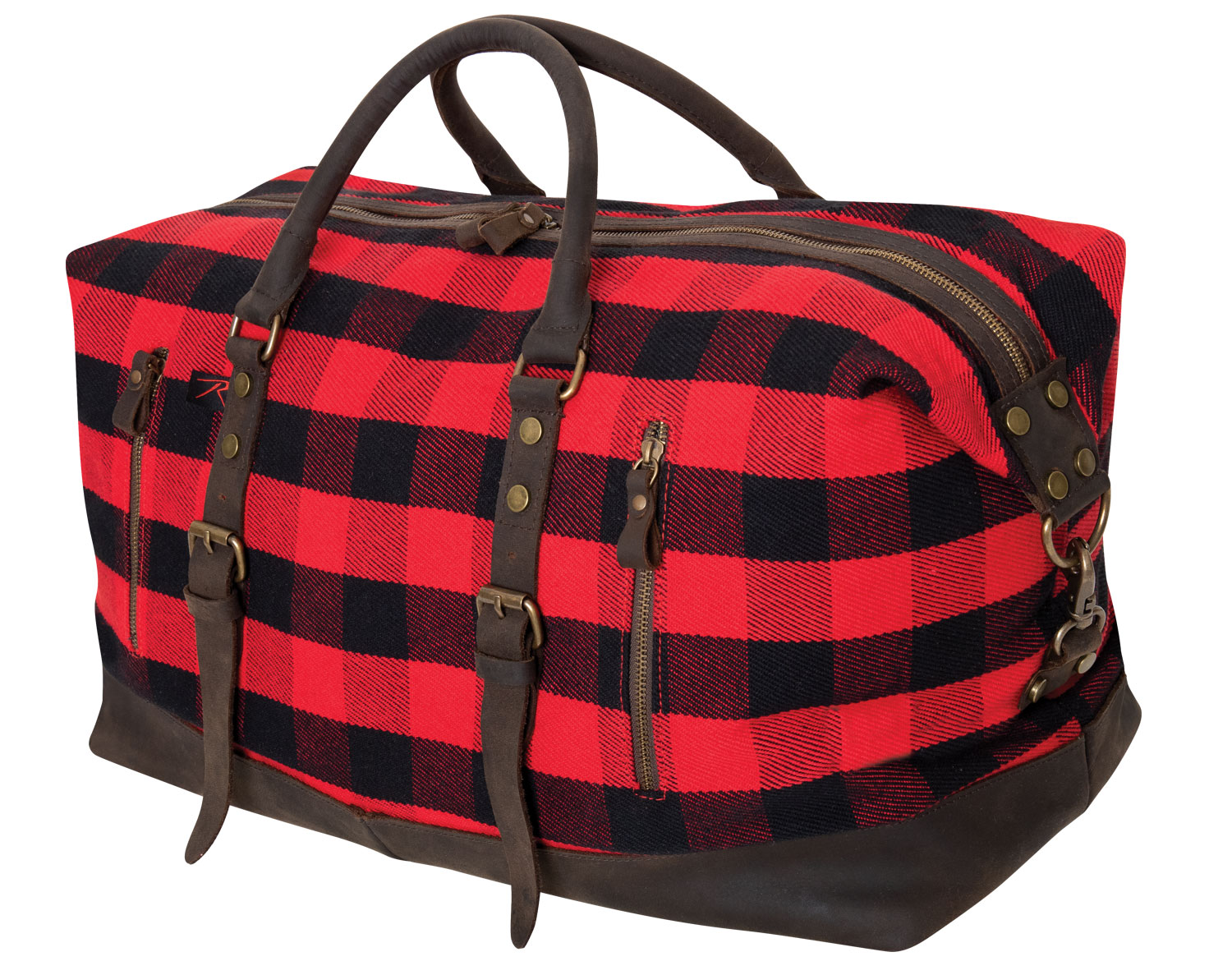
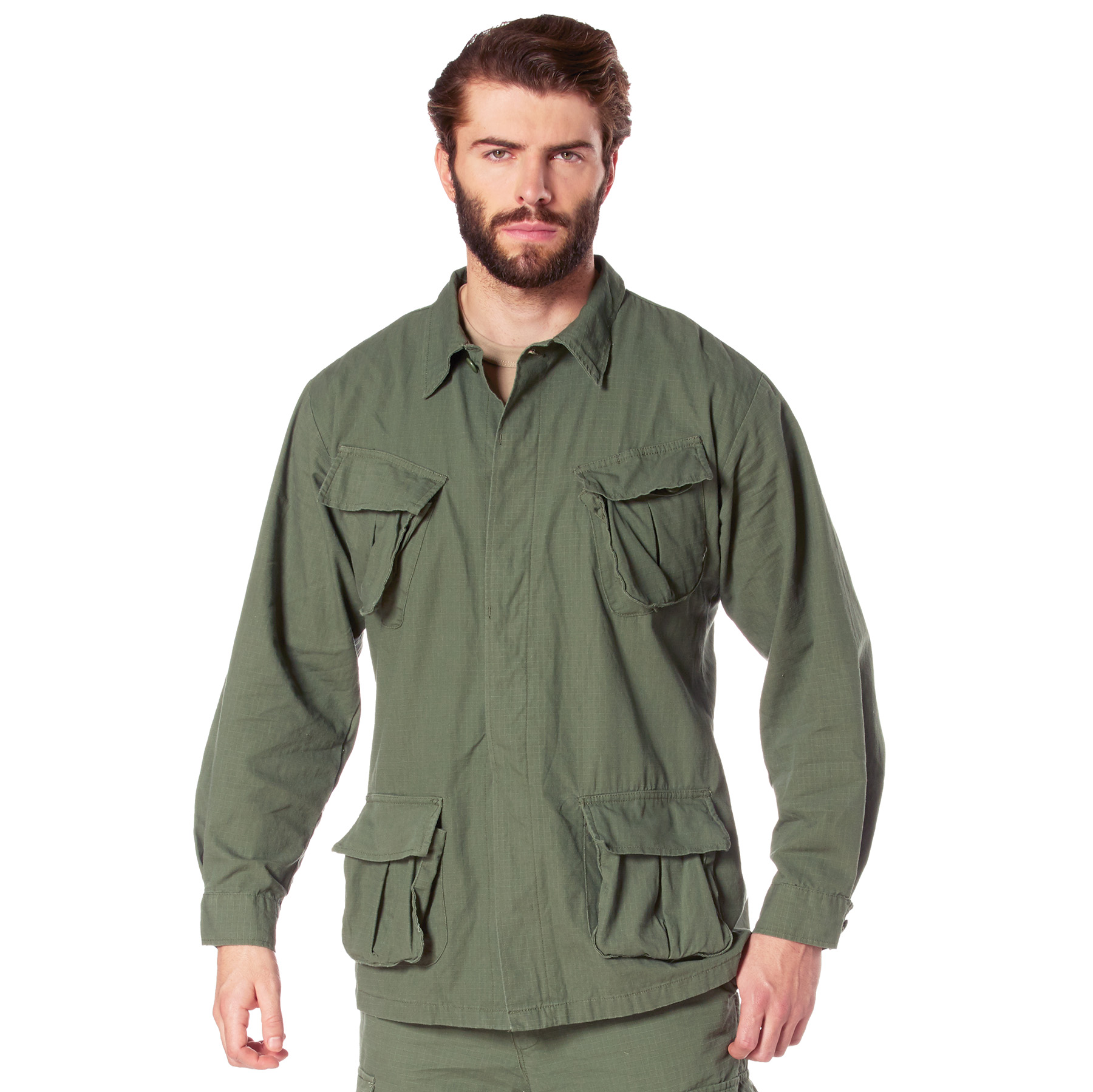
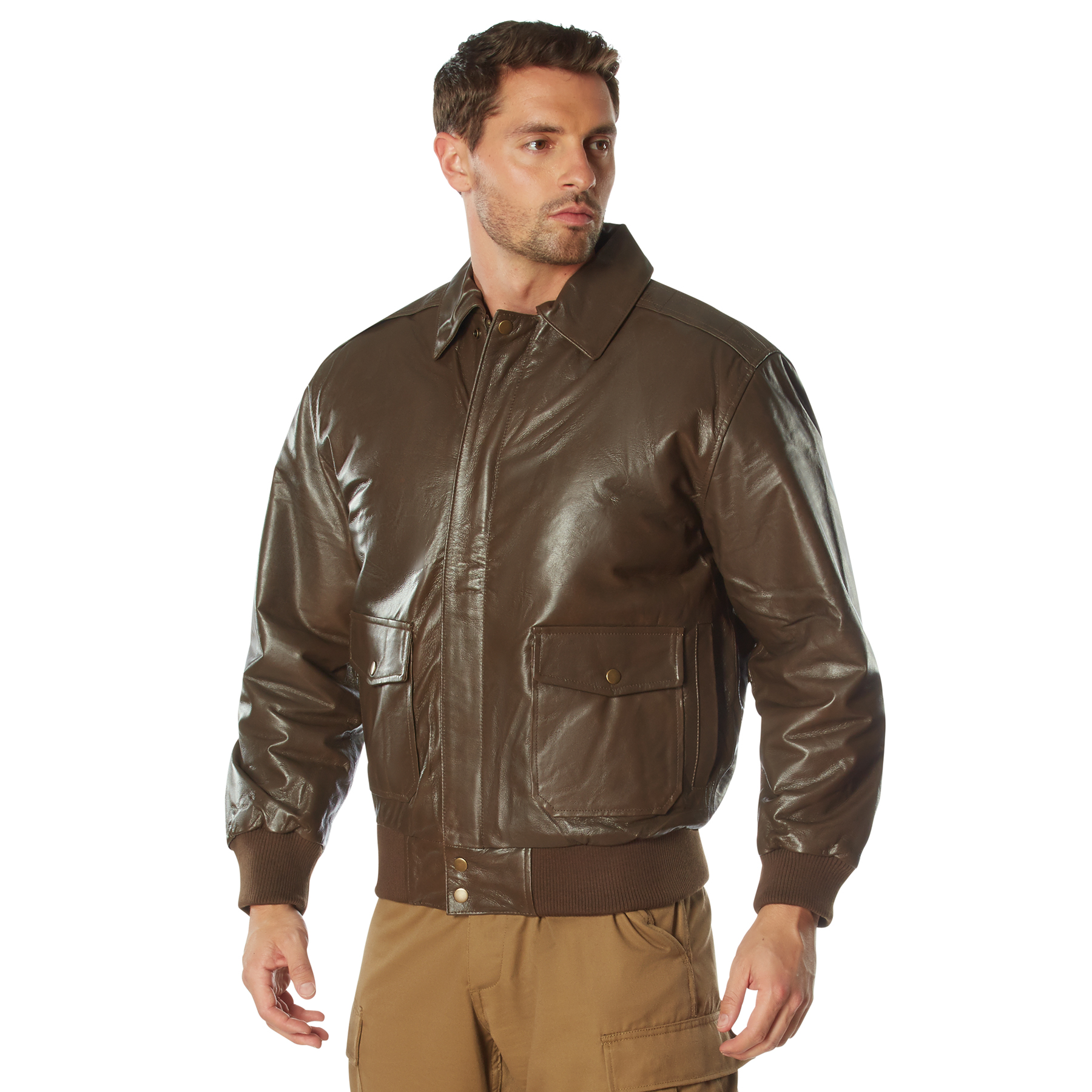
| Clothing, soft gear | Breathable cotton or canvas bags, not plastic |
| Metal tools, knives | Cardboard or wood with oil coating |
| Electronics, optics | Sealed plastic bins with desiccant packs |
| Boots | Stuffed with paper to hold shape, stored upright |
Avoid sealed plastic bags or bins for fabric items. Trapped moisture with no airflow is the fastest path to mildew, even if the item was dry when packed.
Step 5: Protect Against Pests
Cedar blocks or lavender sachets deter moths and other fabric pests without the chemical smell of mothballs. Check stored items every few months for any signs of pest activity, especially in wool items.
Step 6: Pick the Right Location
Aim for a cool, dry space with stable temperature and low humidity. Basements work if they’re dry, but avoid damp basements, hot attics, and anywhere with direct sun exposure, which degrades synthetic fabrics and fades colors over time.
Step 7: Rotate and Inspect
Pull stored gear out every 6 months to check for moisture, pests, or material breakdown, and to air everything out. This also reminds you what you have and where it is.
FAQ
Can I vacuum seal military surplus clothing for storage?
Avoid it for long-term storage, since vacuum sealing can trap any residual moisture and cause mildew even in items that seemed dry.
How do I prevent rust on metal gear during storage?
A thin coat of oil on blades and tools, plus silicone or wax on zippers and buckles, prevents most rust in dry storage conditions.
What’s the best way to store boots long-term?
Clean and fully dry them, stuff them with paper to hold their shape, and store upright in a cool, dry space rather than stacked or compressed.
Do cedar blocks actually work for pest prevention?
Yes, cedar’s natural oils repel moths and other fabric pests, though blocks lose effectiveness over time and should be lightly sanded or replaced periodically.