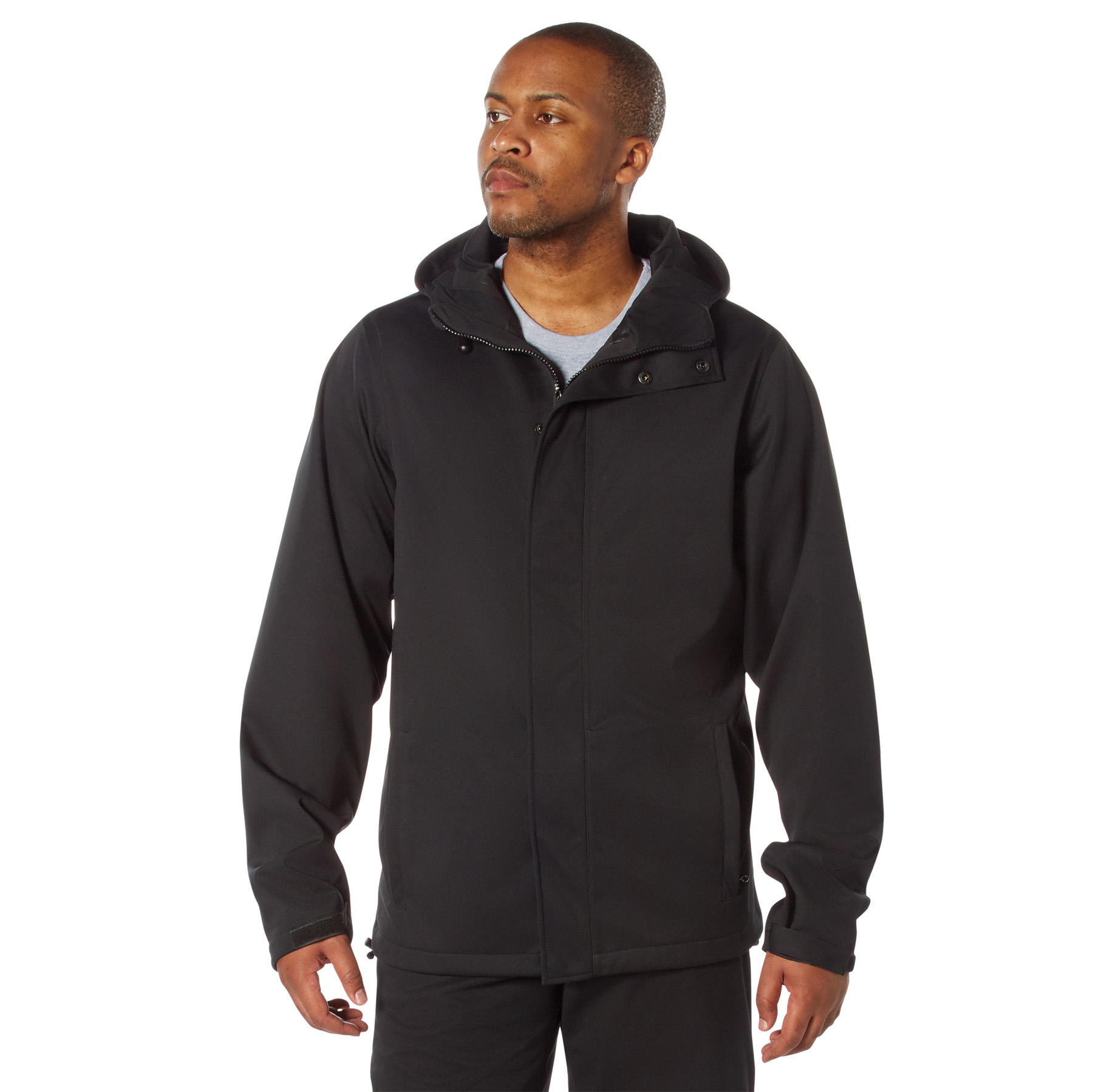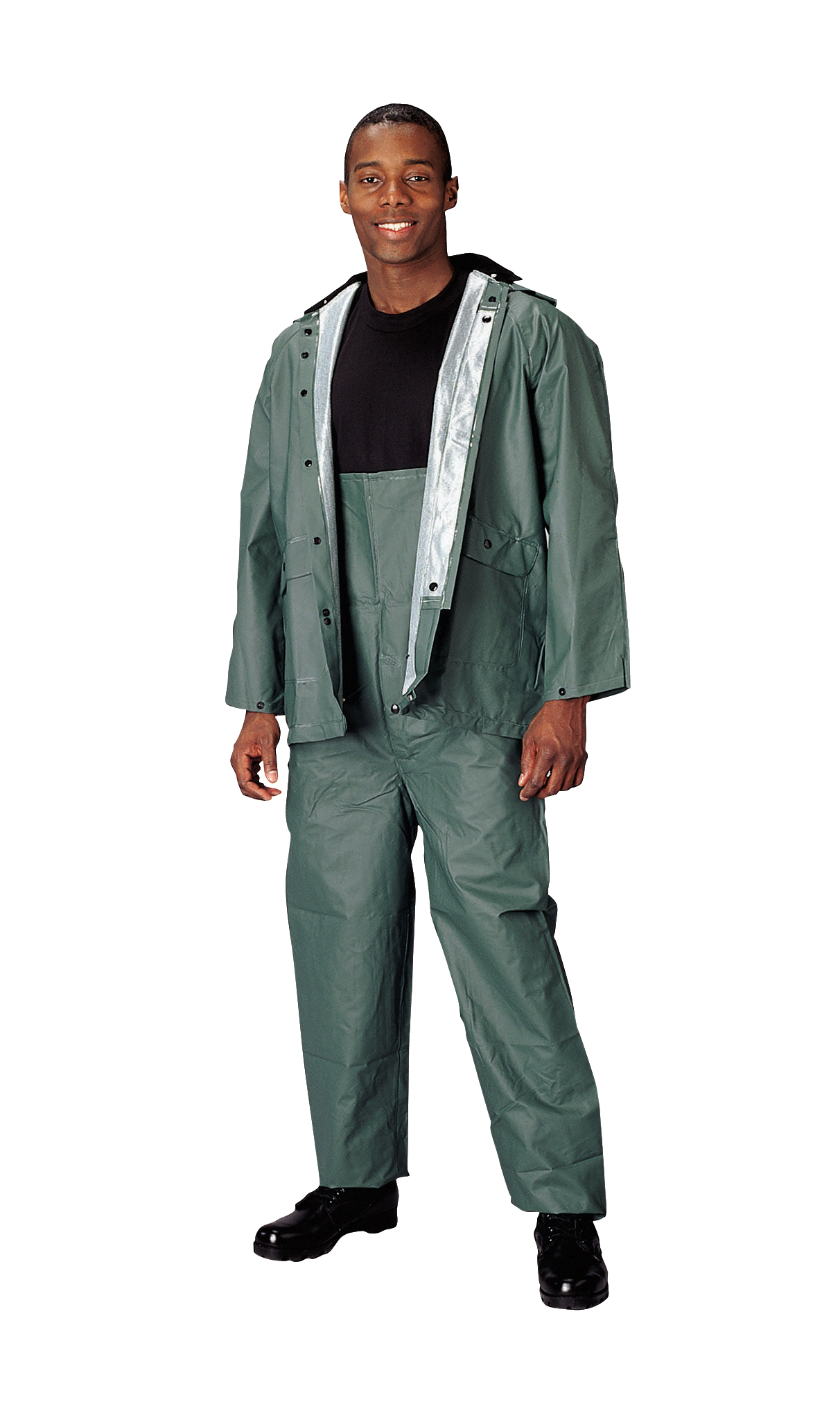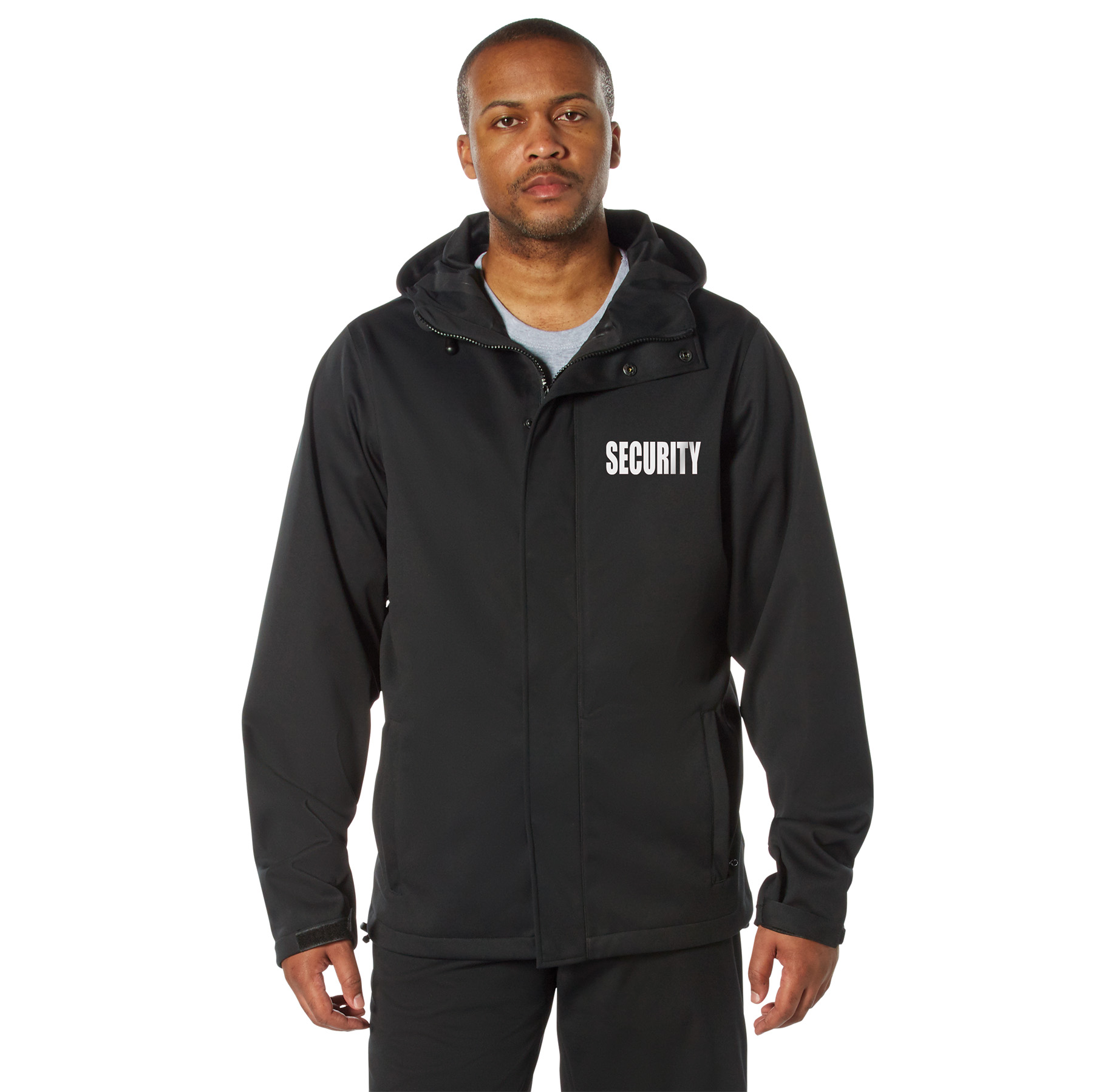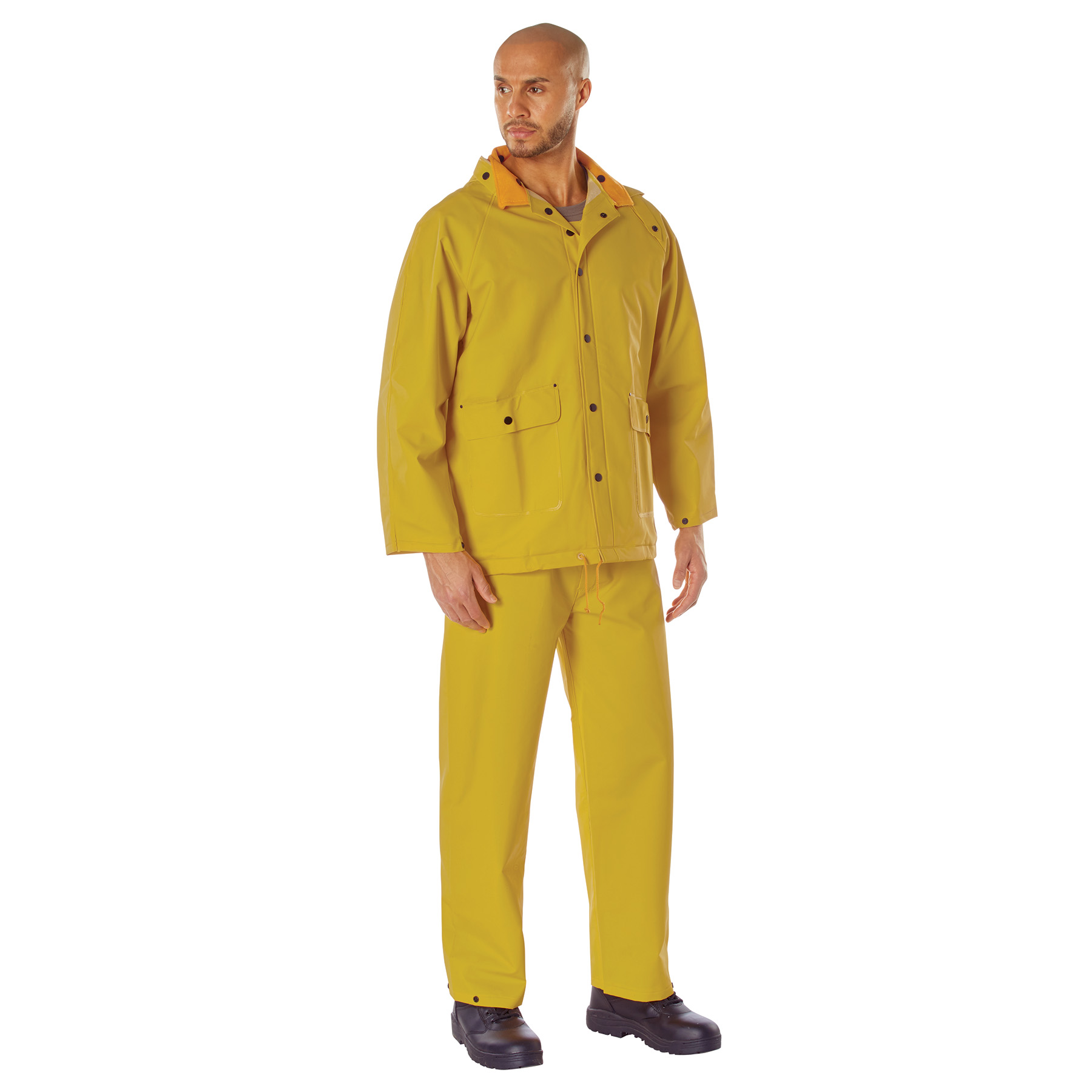

How to Waterproof Your Tactical Gear
Most tactical gear comes from the factory with some level of water resistance, but that coating breaks down with use, sun exposure, and washing. If your jacket used to bead water and now soaks through, it’s time to re-treat it.
Step 1: Wash Gear Before Treating
Dirt and oils block waterproofing treatments from bonding to the fabric. Wash gear according to the care label using a non-detergent soap (regular detergent leaves residue that interferes with DWR coatings). Skip fabric softener entirely.
Step 2: Identify Your Fabric Type
Different materials need different approaches.
| Fabric | Best Treatment Type |
|---|---|
| Nylon/polyester shells | Spray-on DWR (durable water repellent) |
| Cotton canvas (BDUs, field jackets) | Wax-based treatment or silicone spray |
| Leather boots | Wax or oil-based conditioner |
| Mesh or breathable membranes | Spray-on only, never wax (clogs pores) |
Step 3: Apply the Treatment
For spray-on DWR products, hold the bottle 6-8 inches from the fabric and apply an even coat to the entire outer surface, paying extra attention to seams, cuffs, and the collar where water tends to enter first. Let it sit for the time listed on the bottle, usually 10-15 minutes.
For wax-based treatments on canvas or leather, apply with a cloth or sponge in small sections, working the wax into the fabric or leather with friction. This generates a small amount of heat that helps the wax absorb.
Step 4: Activate with Heat (If Required)
Many modern DWR treatments need heat to bond fully. Tumble dry on low for 20 minutes, or use a hairdryer on a low setting if the garment can’t go in the dryer. Check the product label first since some treatments are heat-sensitive in the opposite direction and heat will ruin them.
Step 5: Test Before Relying On It
Run the garment under a faucet or splash water on a flat section. Water should bead up and roll off. If it soaks in instead, apply a second coat and re-treat.
Step 6: Seal the Seams
For jackets and packs that see heavy rain, seam sealer (a thin liquid applied with a brush) closes up stitching holes that DWR sprays can’t reach. This matters most on rainwear and ponchos where seams run across high-pressure areas like shoulders.
Maintenance Schedule
Re-treat gear that sees regular outdoor use every 3-6 months, or sooner if you notice water soaking in rather than beading. Gear stored most of the year can often go a full season between treatments.
FAQ
Does washing tactical gear remove waterproofing?
Yes, repeated washing strips DWR coatings over time, which is why re-treatment after washing is part of the process, not optional.
Can I waterproof cotton BDUs?
Yes, wax-based treatments or silicone sprays work well on cotton canvas, though they’ll darken the fabric slightly and reduce breathability somewhat.
How long does DWR treatment last?
Depends on use, but expect 3-6 months of regular wear before water stops beading and a re-treatment is needed.
Is seam sealing necessary for everyday gear?
Not for light use, but for ponchos, rain jackets, or packs used in sustained downpours, sealed seams make a real difference in keeping contents dry.