Tactical Pants vs BDU Pants: Which Should You Buy?
If you’re standing in front of a rack of pants trying to figure out which pair will actually hold up to whatever you’re doing, the answer comes down to what “tough” means for your job. Tactical pants and BDU pants both come from a military lineage, but they’ve evolved in different directions.
What Each One Is
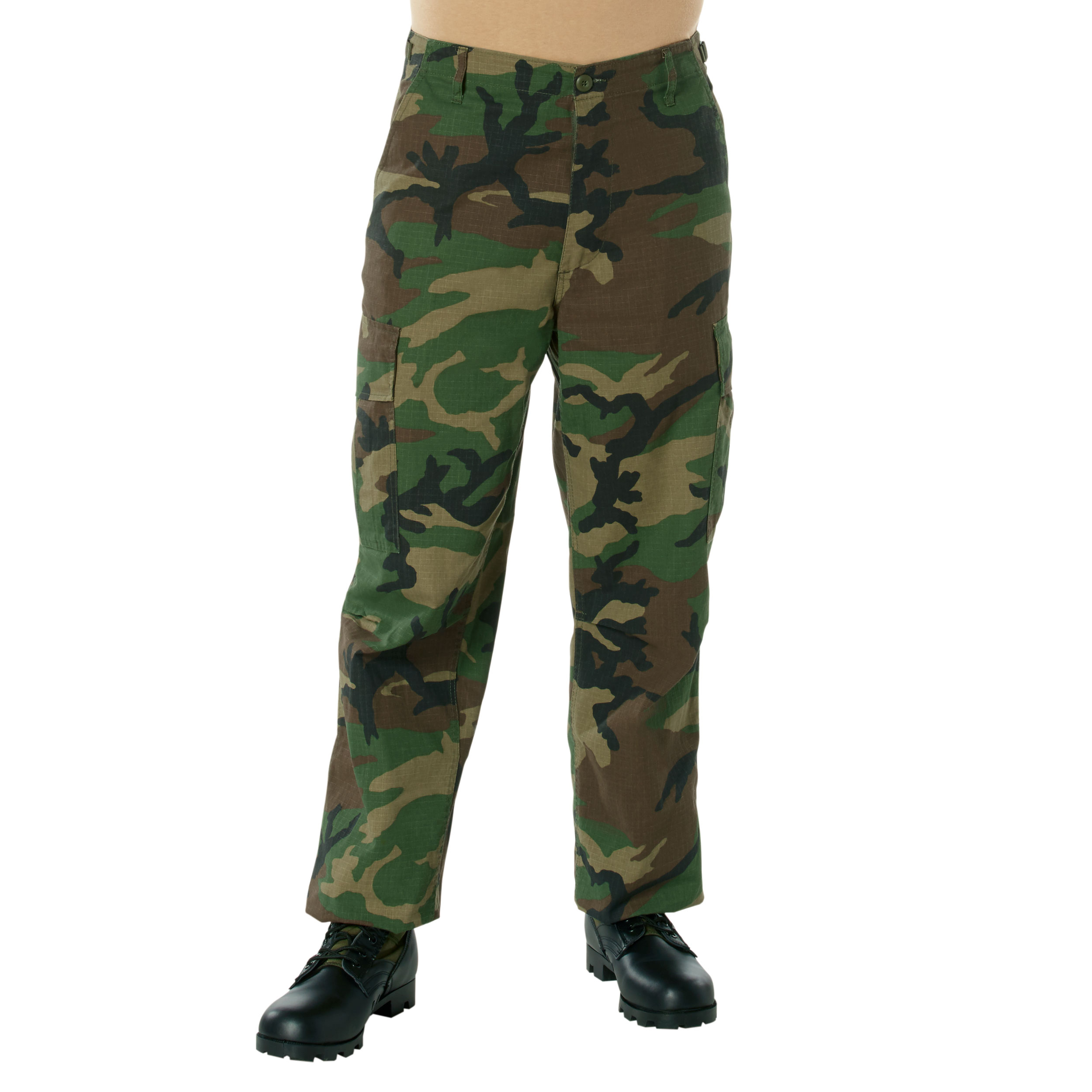
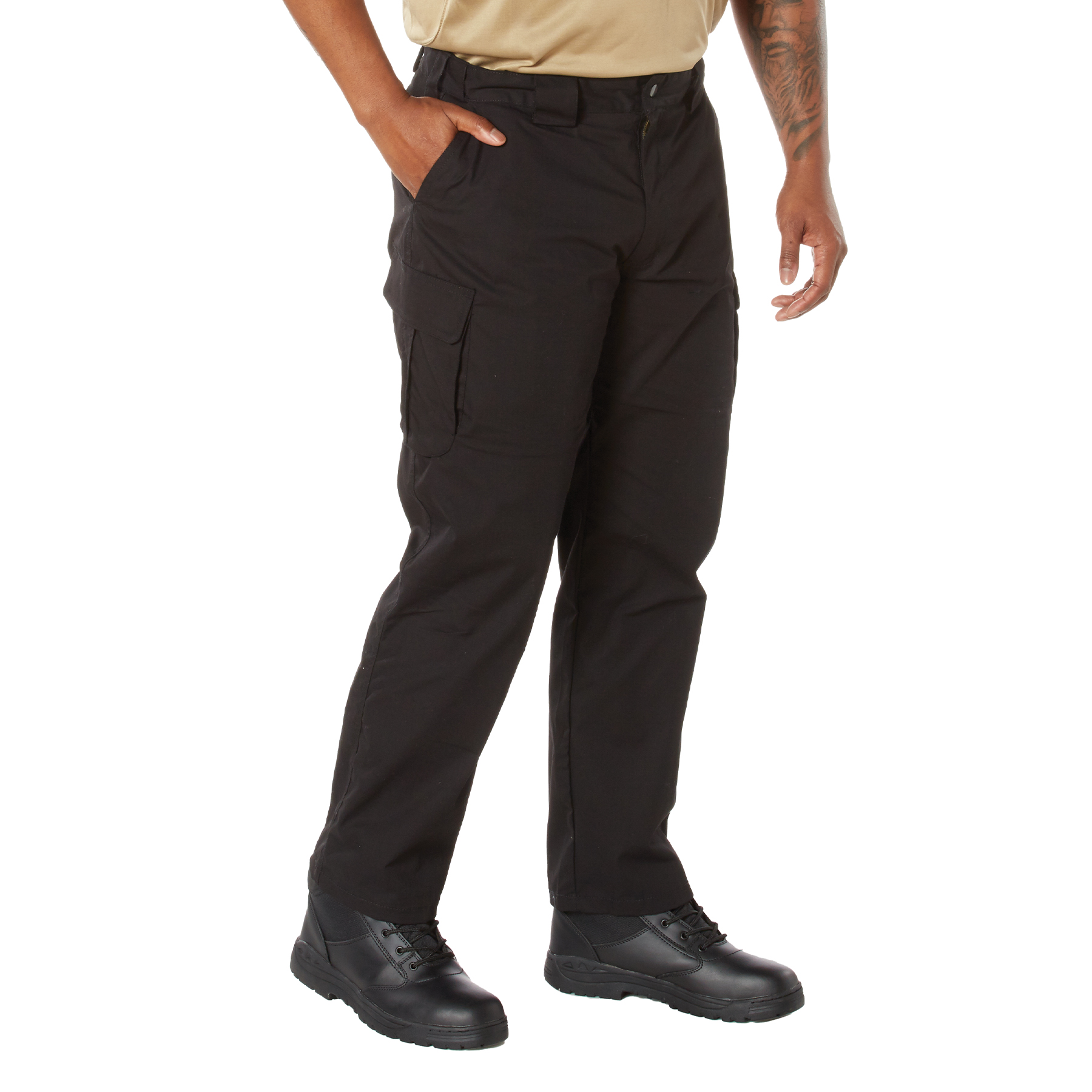
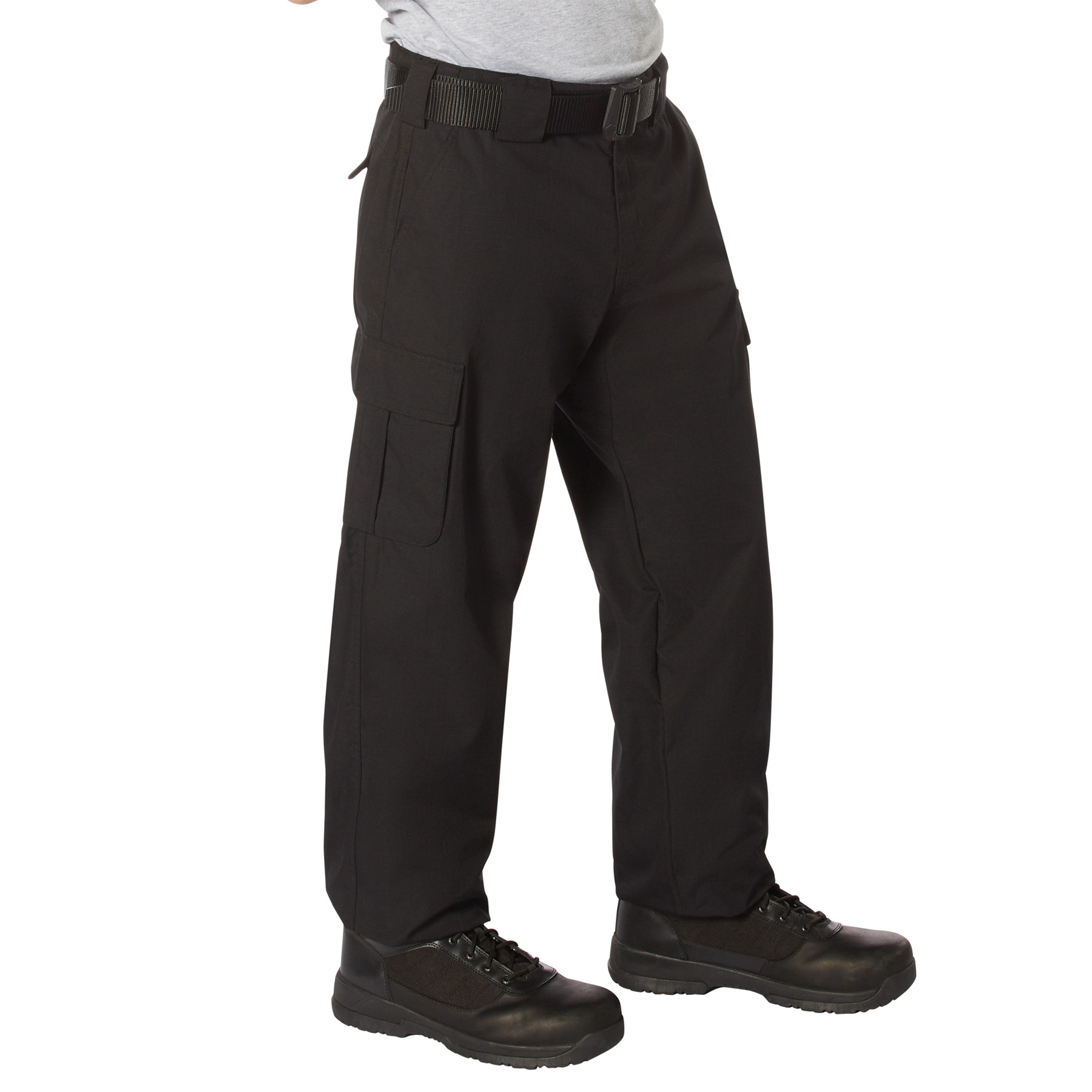
BDU pants are the classic Battle Dress Uniform cut: loose, roomy, built from heavyweight ripstop or twill cotton blends. They’ve got the iconic cargo pockets on the thighs and a relaxed fit through the seat and legs that’s meant to move with you through awkward positions, crawling, climbing fences, kneeling in mud.
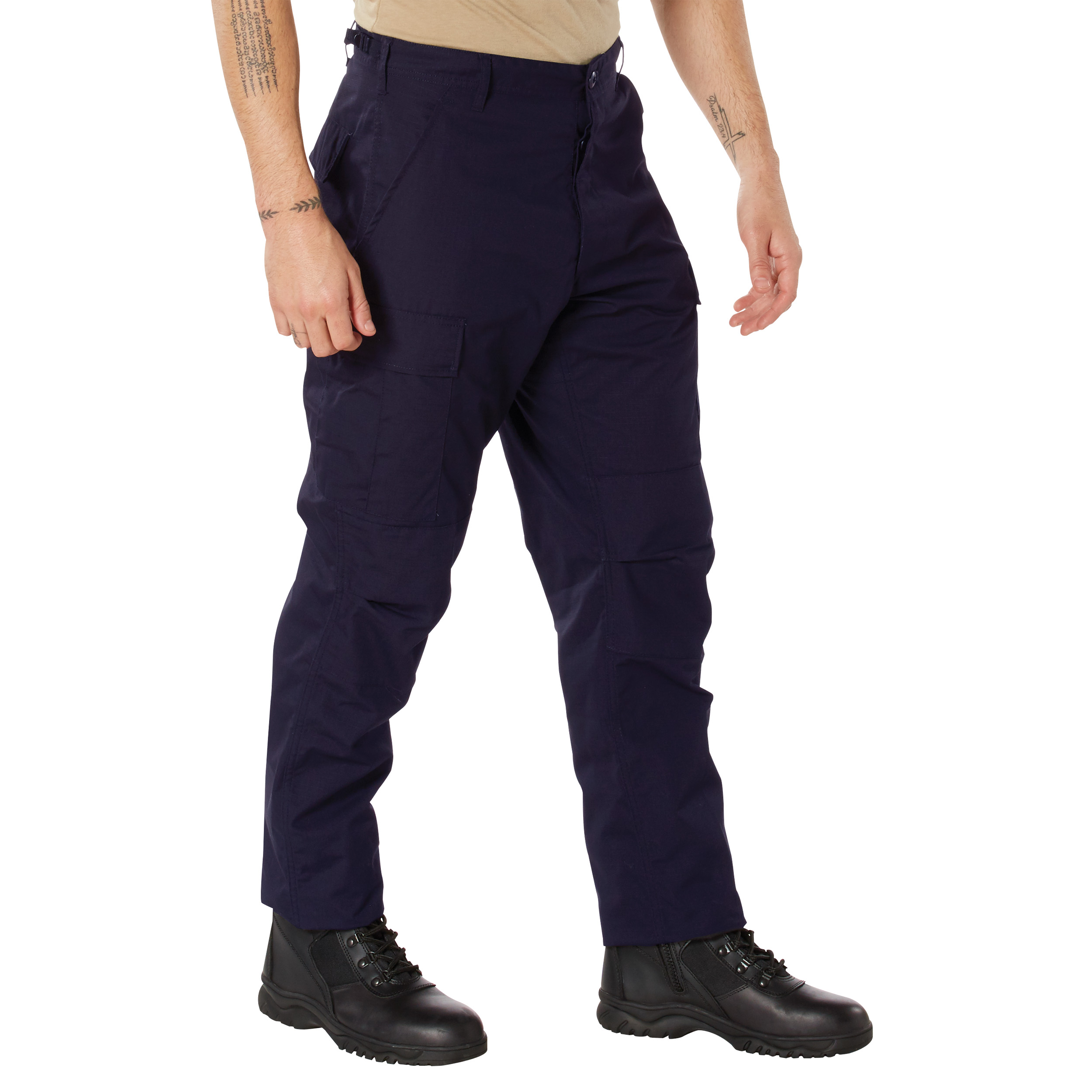
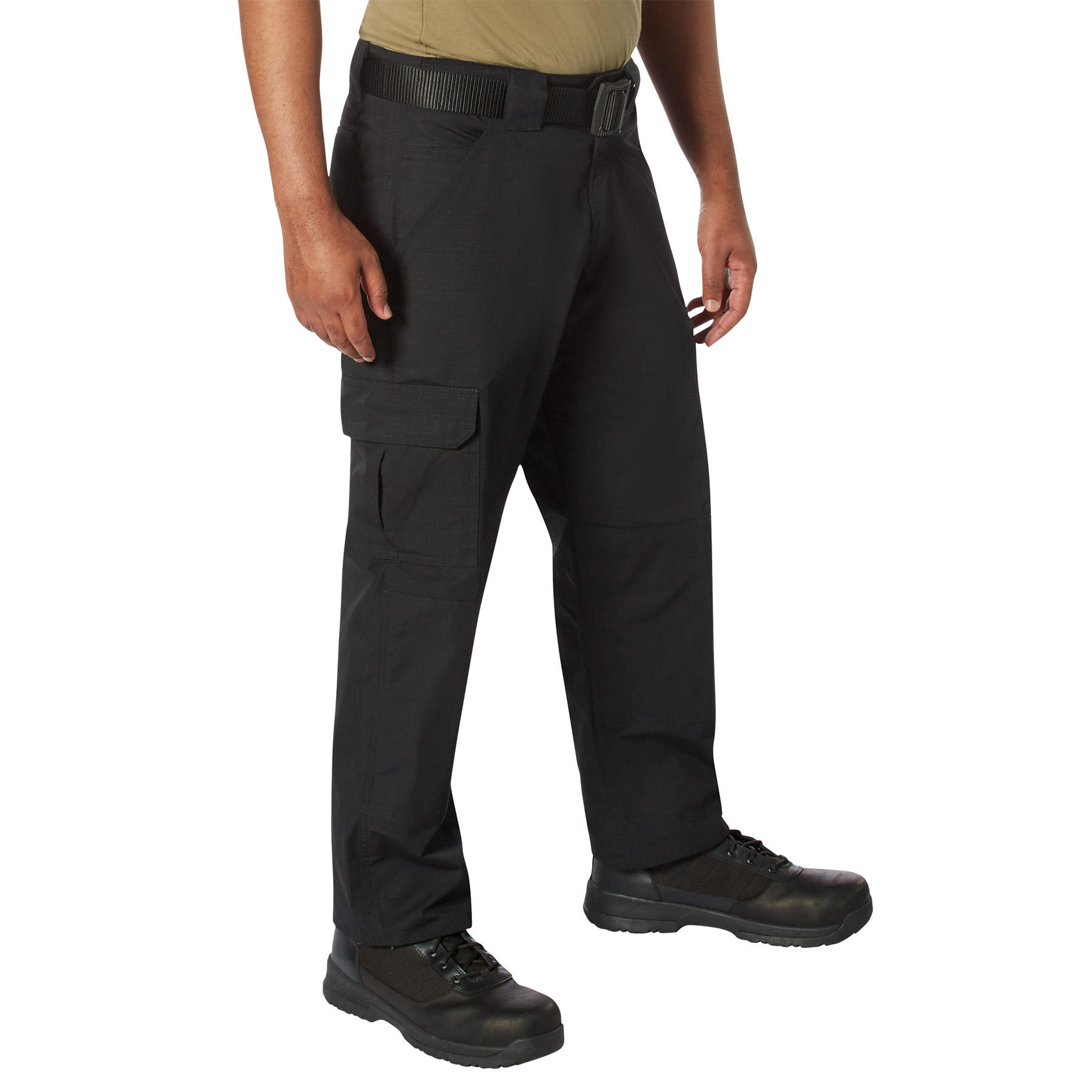
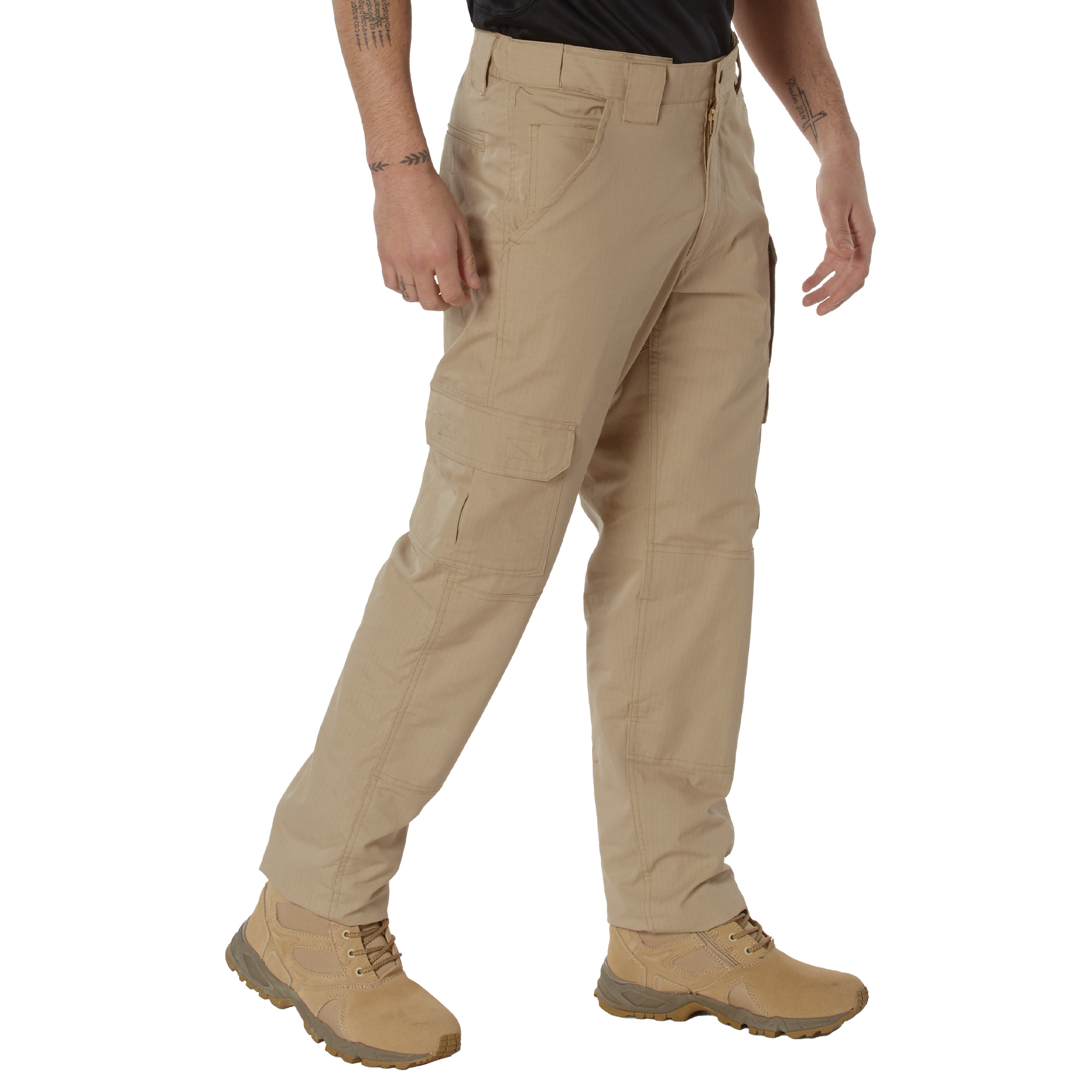
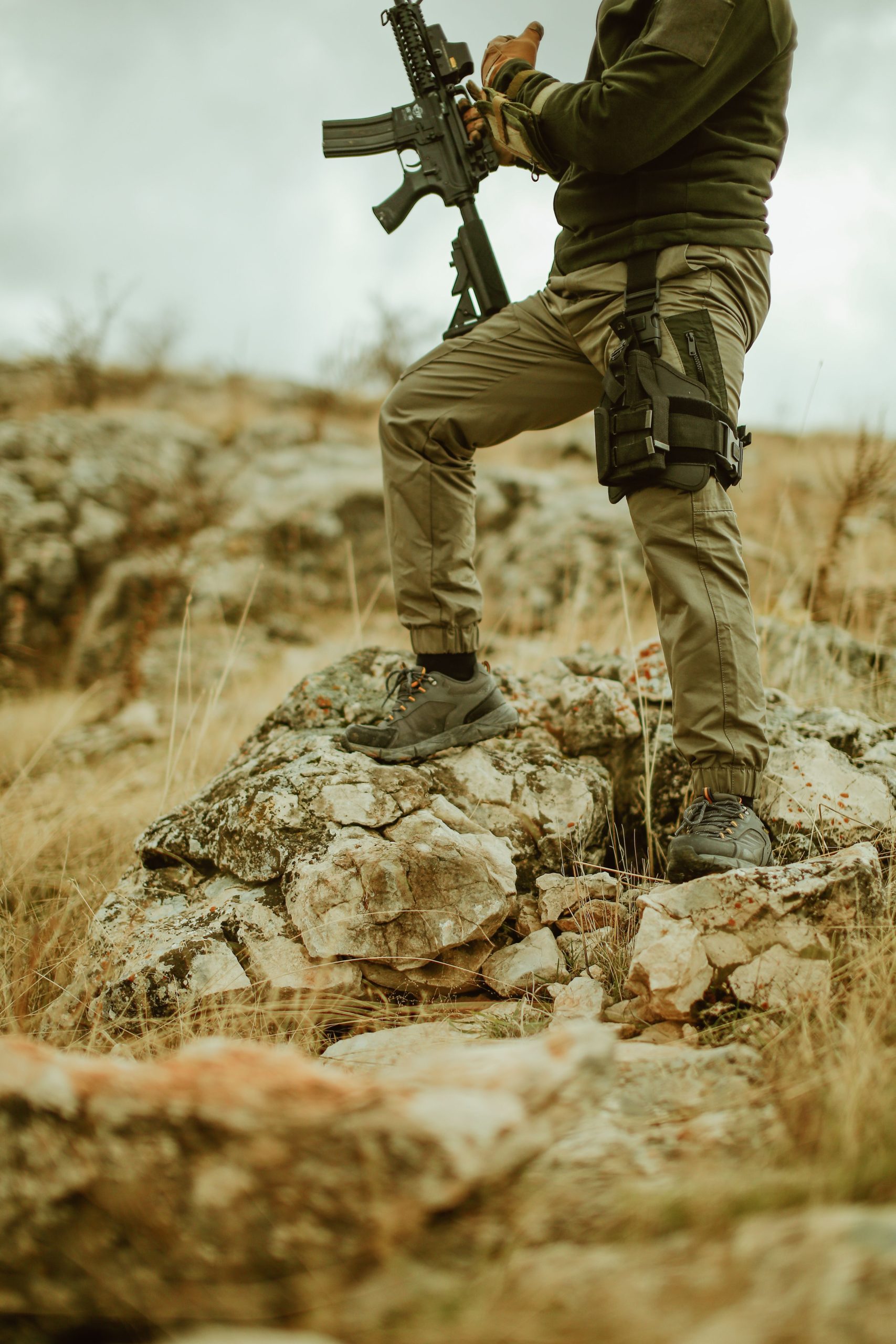
Tactical pants are the modern evolution. Think slimmer cut, stretch panels at the knees and waist, reinforced stitching at stress points, and often a more “civilian” look that doesn’t scream uniform. They’re designed for people who need mobility and durability but also need to blend in at a gas station or job site.
Side-by-Side Breakdown
Use case. BDU pants are the go-to for range days, yard work, hunting, or anything where you don’t care about looking tactical and just need pockets and durability. Tactical pants make more sense for security work, EDC, concealed carry, or anyone who needs gear-carrying capacity without looking like they’re in uniform.
Durability. BDU pants generally win on raw fabric toughness. The heavier cotton or poly-cotton blends resist abrasion and tears better over the long haul, especially in the knees and seat. Tactical pants use lighter, often synthetic blends with stretch woven in, which means they move better but can wear through faster under heavy abrasion like crawling on gravel or brush.
Price. BDU pants are almost always the budget option. You’re paying for fabric and construction, not features. Tactical pants run higher because of the added stretch panels, articulated knees, and extra reinforcement, but the gap isn’t huge, usually $10 to $20 more per pair.
Fit. This is where the real difference shows up day to day. BDU pants fit loose and boxy, which is great for layering in cold weather or just having room to move, but can feel baggy if you’re not used to it. Tactical pants are cut closer to the body with articulated knees that bend with you, making them feel more like a pair of jeans than a uniform.
The Call
If your day involves a lot of kneeling, crawling, or rough outdoor work and you want something that’ll take abuse without thinking twice, grab BDU pants. They’re cheap enough that beating them up doesn’t hurt, and the durability is hard to beat for the price.
If you need pants that carry gear discreetly, move with you through a full shift, and don’t look like you raided an Army surplus store, tactical pants are the better fit. The stretch and articulation make a real difference if you’re sitting in a vehicle for hours then suddenly need to move fast.
FAQ
Are tactical pants more durable than BDU pants?
Not usually. BDU pants typically use heavier fabric and hold up better to abrasion, though tactical pants make up for it with reinforced stress points.
Can I wear BDU pants for everyday carry?
You can, but the looser cut and visible cargo pockets make concealment harder. Tactical pants are built more with EDC and concealed carry in mind.
Do tactical pants run true to size?
Most tactical pants run close to standard pants sizing, but the stretch fabric means you can often size down slightly compared to BDU pants, which tend to fit looser.
Which is better for cold weather layering?
BDU pants, thanks to their roomier cut, layer more easily over thermals or base layers without feeling restrictive.