
Plate Carrier vs Tactical Vest: What’s the Difference?
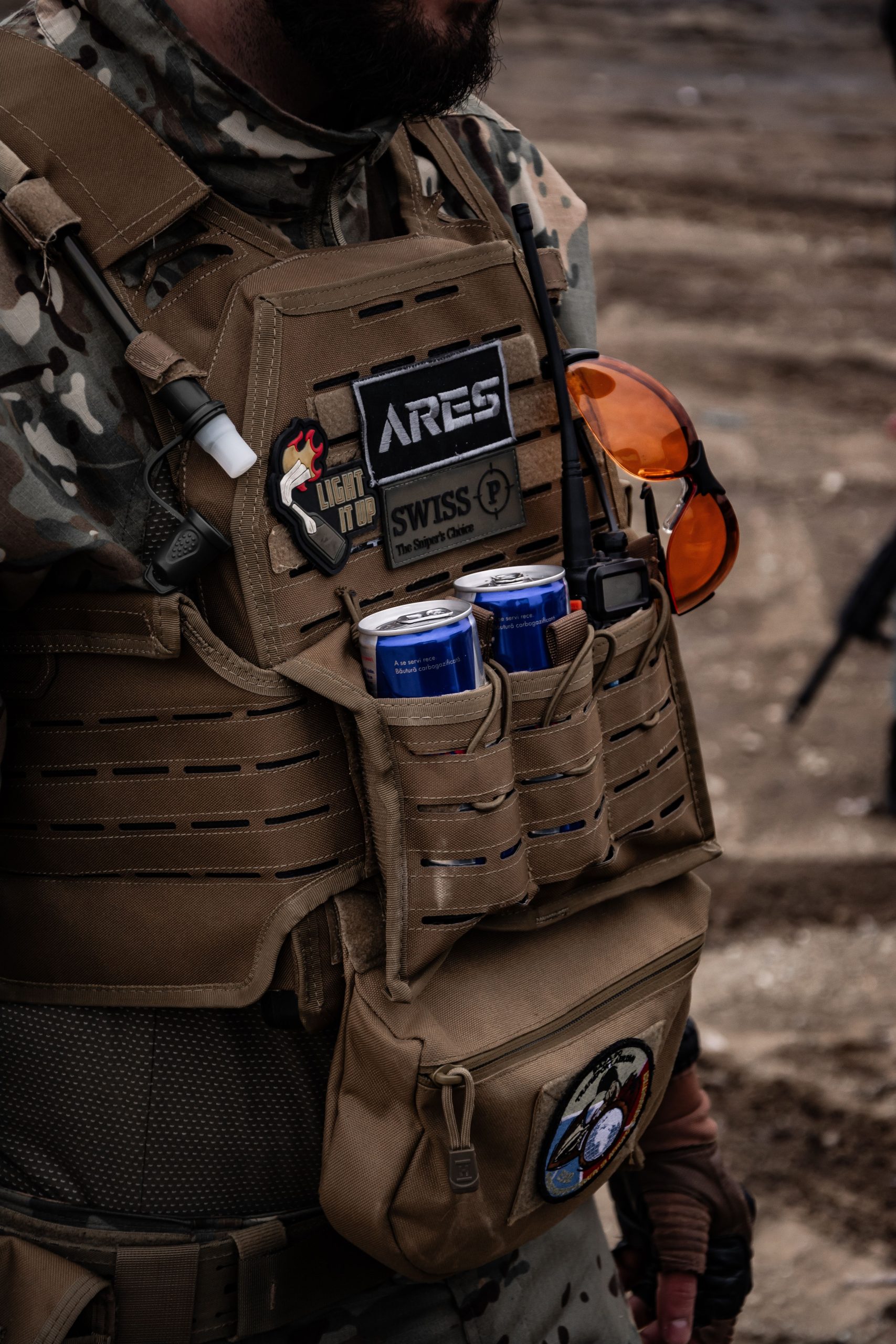
A plate carrier is built with pockets or panels for compatible armor plates, while a tactical vest is primarily a load-bearing platform for carrying pouches and equipment. The labels can overlap, so check the exact product for plate compatibility, pouch layout, MOLLE/PALS webbing, and adjustment features instead of relying on the name alone.
What Is a Plate Carrier?
A plate carrier is designed around specified plate pockets. Current FirstLineHQ examples document front and back plate compatibility, and some models also document side-plate pockets. Many add MOLLE/PALS attachment space, adjustable shoulder straps, and a cummerbund or waist system, but those details and compatible plate dimensions vary by model.
The carrier is only the wearable platform. Plates are separate components and are not included unless the product listing explicitly says otherwise. Do not infer a protective rating, armor level, or certification from the carrier name or appearance.
What Is a Tactical or Load-Bearing Vest?
A tactical or load-bearing vest organizes equipment across the torso. Current examples include fixed magazine and utility pouches, document pockets, belt attachment points, or MOLLE/PALS fields for compatible pouches. Fit may be adjusted with shoulder panels, side straps, a drawstring waist, buckles, or a gear belt, depending on the design.
Some products use “vest” in the name even when they include plate pockets, while others are strictly load-bearing. A tactical vest should not be assumed to accept plates unless the manufacturer documents compatible pockets and dimensions.
Plate Carrier vs Tactical Vest: Side-by-Side
Primary design: A plate carrier starts with compatible plate pockets. A tactical vest starts with equipment carriage and organization.
Modularity: Either format may use MOLLE/PALS webbing, while other tactical vests use fixed pouches. Compare the number and placement of attachment fields or built-in pockets on the exact model.
Fit and adjustment: Plate carriers commonly use shoulder and cummerbund or waist adjustment around a supported plate size. Tactical vests may use shoulder, side, waist, belt, or buckle adjustment. For plate-carrier fit, see How to Size a Plate Carrier Correctly.
Weight and bulk: These depend on material, coverage, pouches, hardware, and whatever equipment is installed. Neither format is always lighter or less bulky.
Cost: Compare the live product price and included features. Carrier, pouch, and plate costs vary, and compatible plates or accessories may be sold separately.
Which Format Makes Sense?
Choose a plate carrier when your equipment plan specifically requires a carrier for documented plate dimensions and you are prepared to verify every component separately. Choose a tactical vest when organized load carriage is the priority and plate compatibility is not required. If you need both functions, look for a model that explicitly documents both plate pockets and the pouch or MOLLE/PALS layout you need.
Browse the current Plate Carrier Vests collection to compare plate-carrier and load-bearing-vest designs by their listed features.
FAQ
Can a tactical vest hold plates?
Only when the specific manufacturer documentation identifies compatible plate pockets and dimensions. Do not assume plate compatibility from the word “tactical.”
Do all plate carriers have MOLLE/PALS webbing?
No. Many current models do, but attachment layouts vary. Check the exact front, back, and cummerbund specifications.
Are armor plates included with a plate carrier?
Not unless the listing explicitly says they are included. Several current carrier descriptions specifically state that soft armor or plates are not included.
Is a plate carrier always heavier than a tactical vest?
No. Empty weight varies by design, and installed plates, pouches, and equipment determine the final load.